
Bay Of Naples
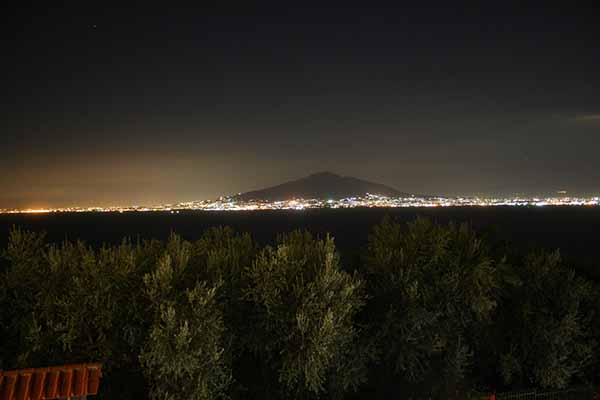 The Bay of Naples is one of those parts of Italy where you could quite happily spend a fortnight exploring and still feel that you've only scratched the surface. It has everything you could possibly want from an Italian holiday — spectacular scenery, ancient history, beautiful towns, excellent food and, inevitably, a fair amount of noise, traffic and chaos.
In other words, it is unmistakably Italian.
The bay itself is dominated by Mount Vesuvius, which looms over the landscape and provides a spectacular backdrop wherever you happen to be. It is a beautiful area, but there is something slightly unnerving about knowing that the magnificent mountain overlooking you is also an active volcano.
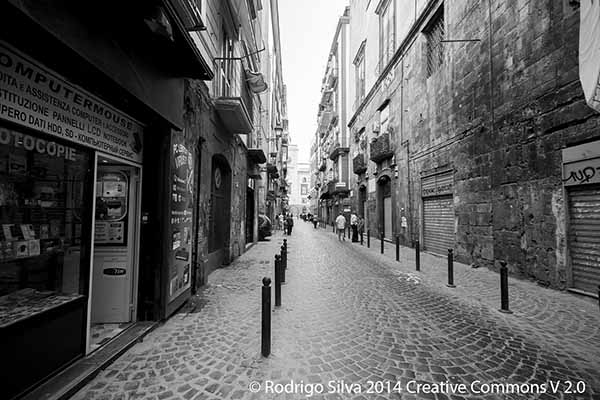 The obvious place to start is Naples, the chaotic, fascinating and slightly mad city at the heart of the bay. Naples is not everybody's cup of tea. It can be dirty, noisy and wonderfully untidy, with traffic that appears to operate according to a completely different set of rules from the rest of Europe. But it has character by the bucketload.
The historic centre is a maze of narrow streets, churches, little shops and cafés, and it is here that you get the best feeling for the real Naples. And, of course, Naples claims to be the birthplace of pizza. You will find pizzerias everywhere, and even if you aren't normally a great pizza enthusiast, it is worth trying one in its supposed birthplace.
Just don't try driving round the place
The city's museums are also important, particularly the National Archaeological Museum, which contains many of the artefacts recovered from Pompeii and Herculaneum.
And that brings us to the star attraction of the entire bay.
Pompeii
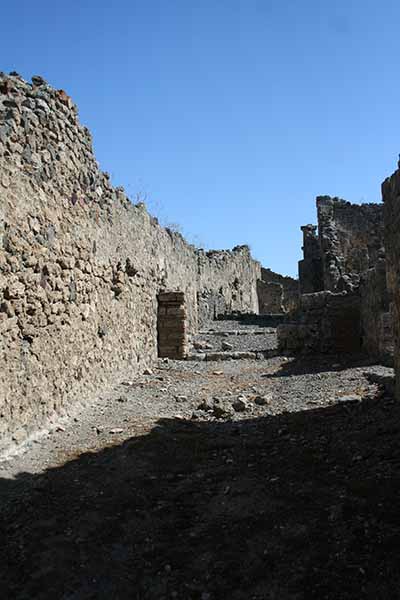 Pompeii is one of those places that should be on everybody's list.
When Vesuvius erupted in AD 79, the Roman town was buried under an enormous quantity of volcanic material. The tragedy preserved an extraordinary snapshot of everyday Roman life, and walking through the excavated streets today is an experience that is difficult to compare with anything else.
You can wander through houses, shops, temples, bakeries, public buildings and theatres, seeing the ruts left by carts in the ancient roads and mosaics still decorating floors after nearly two thousand years.
The famous plaster casts of some of the victims are particularly moving. They are a stark reminder that this isn't simply an archaeological site full of interesting old buildings — it was a thriving town whose inhabitants had no idea that they were about to experience one of history's most catastrophic natural disasters.
Pompeii is enormous, so don't make the mistake of thinking you can see everything in an hour or two. Wear sensible shoes, take water and allow plenty of time.
If you have the opportunity, Herculaneum is also worth visiting. It is considerably smaller than Pompeii but in some respects even better preserved. Pompeii is the big attraction, but Herculaneum provides a different and equally fascinating picture of Roman life.
Sorrento
Then there is Sorrento, perched dramatically above the Bay of Naples and one of the area's most popular resorts.
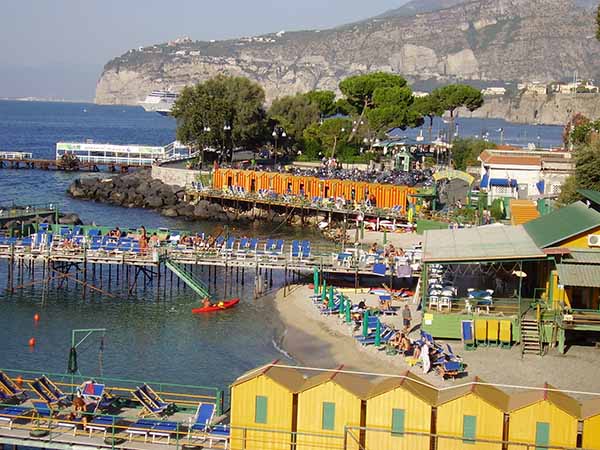 Sorrento is beautiful. There is no getting away from it. The views across the bay towards Vesuvius are superb, particularly around sunset, and the town has attractive streets, squares, shops, restaurants and plenty of places to sit and watch the world go by.
The historic centre is particularly pleasant, with narrow streets full of shops selling the area's famous limoncello and lemon products. The local lemons seem to be enormous, and the locals have found remarkably inventive ways of turning them into food, drink and souvenirs.
Sorrento is also an excellent base for exploring the area. Pompeii is close enough for an easy excursion, while boats and buses provide access to other parts of the coast.
One thing to remember is that Sorrento is popular. Very popular. During the main tourist season the town can become extremely busy, particularly when cruise passengers and day-trippers arrive.
But stay overnight and the experience improves considerably. Once the day visitors have departed, Sorrento becomes a much more relaxed place to enjoy an evening meal and a stroll through the streets.
The Amalfi Coast
Although technically extending beyond the immediate bay, no visit to this part of Italy would be complete without mentioning the Amalfi Coast. The road winds dramatically along the cliffs between Sorrento and Amalfi, with spectacular views around almost every corner.
It is beautiful but not for the nervous driver.
The roads are narrow, winding and frequently crowded, while buses and coaches seem to possess an almost supernatural ability to squeeze through gaps that appear far too small. If you aren't confident behind the wheel, take a bus or boat instead and enjoy the scenery without the stress.
The towns of Positano, Amalfi and Ravello are the famous names, each with its own attractions, although they can become extremely crowded in summer.
Mount Vesuvius
Back towards the bay, Mount Vesuvius itself deserves attention.
There are walking routes around the volcano and it is possible to climb towards the crater. Standing on an active volcano and looking down into its crater is rather an unusual holiday experience, particularly when you have already spent the day exploring the town it destroyed.
The views from the mountain are magnificent, stretching across Naples and the bay.
And then there is the food.
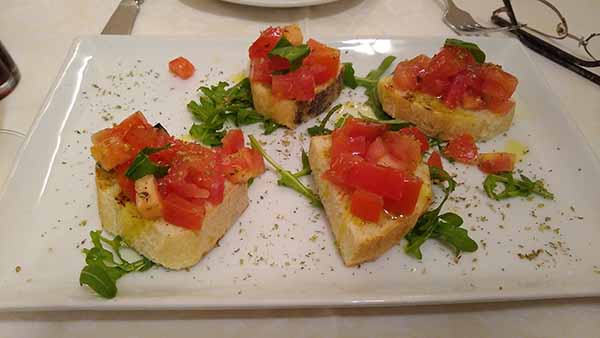 This is Campania, so you are in one of Italy's great food regions. Pizza, pasta, fresh seafood, mozzarella, tomatoes, lemons and local wines all feature heavily. You really don't need to look too hard to find an excellent meal.
The problem, as in so many tourist destinations, is finding the places that haven't realised they can charge tourists considerably more for exactly the same thing.
The Bay of Naples is not pristine. It can be crowded, noisy and chaotic, and Naples in particular can take a little getting used to. But that is part of its character.
This isn't the polished Italy of the Tuscan countryside or the carefully preserved villages of some northern regions. It is louder, rougher and more exuberant.
And that makes it enormously entertaining.
The combination of Naples, Pompeii, Vesuvius and Sorrento, with the Amalfi Coast nearby, gives you an extraordinary mixture of history, scenery and Italian life. You can spend the morning walking through a Roman city destroyed nearly 2,000 years ago, have lunch overlooking the Mediterranean and finish the day with a limoncello in Sorrento.
The Bay of Naples may be chaotic, but it is also spectacular, fascinating and very difficult to forget.
Return to Italy Home Page