
Durham
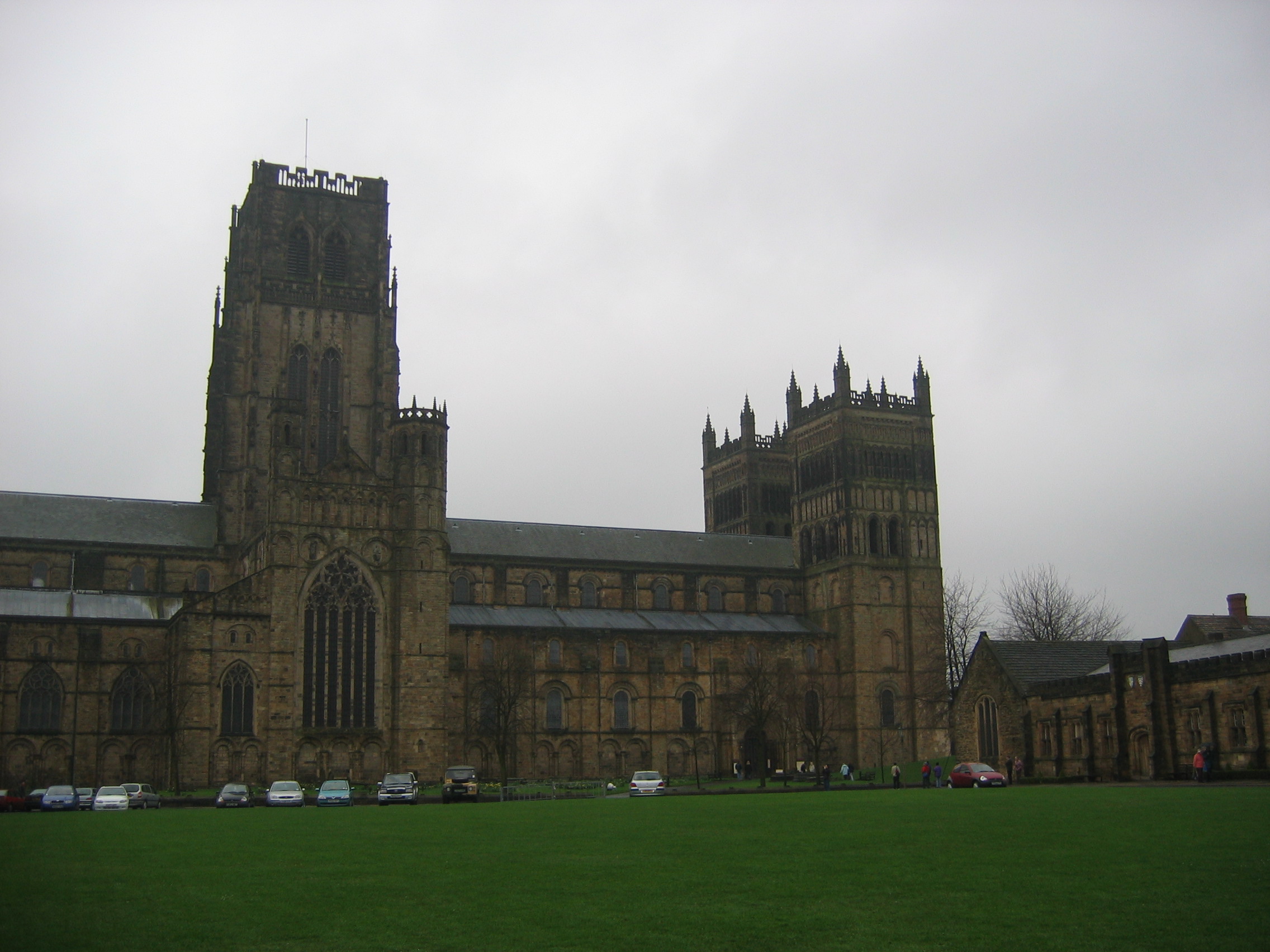 Durham is one of those places where you arrive, look at the view and immediately think, yes, this was a sensible place to build a city. Perched dramatically on a rocky peninsula surrounded on three sides by the River Wear, with a magnificent cathedral and castle sitting proudly on top, Durham has one of the most impressive cityscapes in Britain.
The obvious place to start is Durham Cathedral, and it is quite simply magnificent. Built in the late eleventh and early twelfth centuries, it is one of the great Norman buildings of Europe. The scale of the interior is astonishing, with massive columns, soaring arches and a wonderful sense of age.
It has also acquired a rather more modern claim to fame, having appeared as a location in the Harry Potter films. Personally, I think it deserves to be visited for rather more important reasons than that, but if Harry Potter gets people through the door, who's complaining?
Opening Hours: - Monday to Saturday: 09:30 – 16:30, Sunday: 12:00 – 16:00.
Admission:- General Entry: Free (donations welcome), Durham Cathedral Museum: £7.50 for adults, free for under-18s. Central Tower Climb: £7.50 for adults, free for children aged 8–17 (under 8s cannot climb).Guided Tours: £7.50 – £8.50 for adults, free for under-18s.
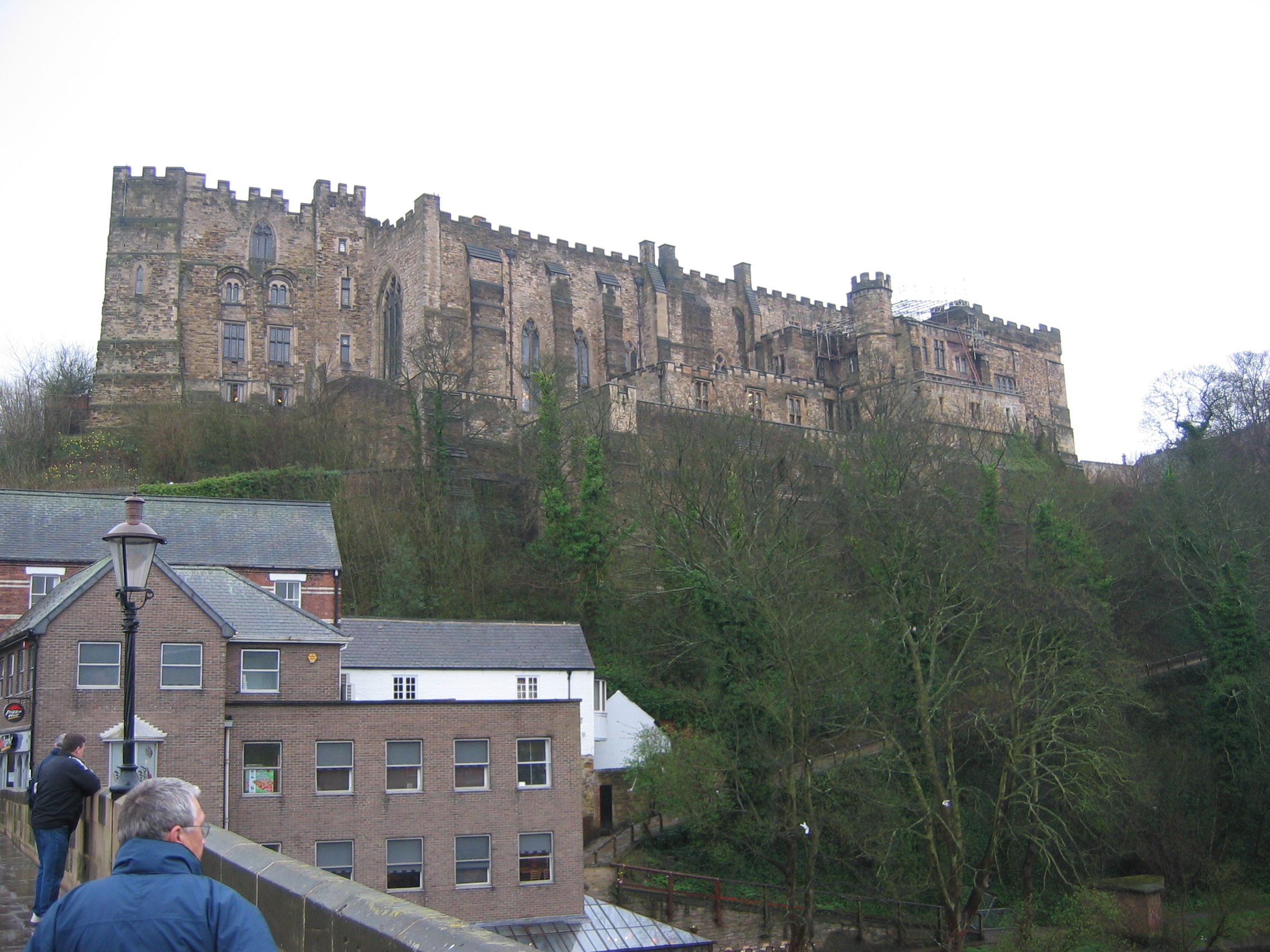 Next door is Durham Castle, now part of the university. Together, the cathedral and castle form a UNESCO World Heritage Site and dominate the city from almost every angle.
Opening Hours and Access:- Because the castle functions as a active university college, entry is available by guided tour only.
Term Time: Tours generally run in the afternoons during the academic term. University Holidays: Tours are available in both mornings and afternoons.Tour Duration: Each tour lasts approximately 45 to 50 minutes.
Ticket Prices:- Adults (16+): £7.50, Students / 16–18 years: £6.00 (some concessions/seniors vary around £4.50–£5.00 Children (under 16): Free
The university itself has a major influence on Durham. Students give the city a youthful atmosphere and keep the pubs, cafés and restaurants busy, although the downside is that certain parts can become distinctly less tranquil when several thousand students decide to celebrate the end of term simultaneously.
The real pleasure of Durham, however, is simply wandering around.
The old city centre is compact enough to explore on foot, although those hills and cobbled streets can make you work for your lunch. The peninsula is particularly attractive, with narrow streets, historic buildings and plenty of little corners worth discovering.
The River Wear provides the perfect setting. Walking beside it, particularly along the riverside paths, gives you constantly changing views of the cathedral and castle. The famous riverbanks are surprisingly peaceful considering that you are only a short distance from the city centre.
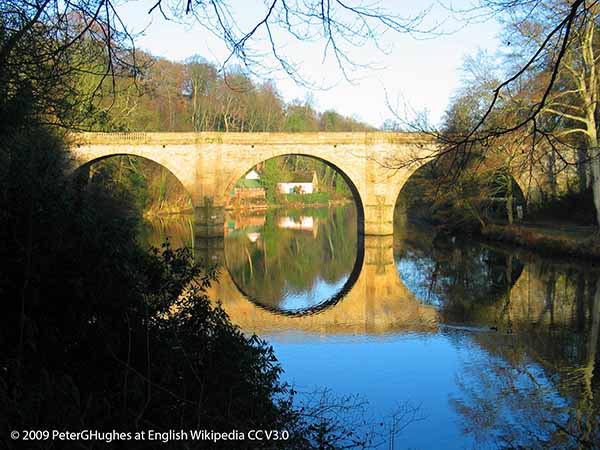 The Prebends Bridge is one of the best viewpoints, while a walk along the river is probably the most enjoyable way of appreciating just how spectacular Durham's setting really is.
For something rather more energetic, the Botanic Garden at Durham University provides a pleasant change of scene, with woodland, gardens and collections of plants spread across the grounds.
Durham also has several worthwhile museums, including the Museum of Archaeology and the Oriental Museum, while the cathedral itself contains fascinating historical treasures. You don't need to be a serious historian to appreciate them, although Durham does rather reward anyone with an interest in the past.
And history is everywhere.
This was a city built around the power of the prince-bishops, who for centuries exercised remarkable authority over the region. The cathedral was both a religious centre and a symbol of that power, while the castle provided the necessary defensive muscle.
The result is a city that feels genuinely historic rather than one where a few old buildings have been preserved in the middle of a modern development.
Of course, Durham isn't perfect.
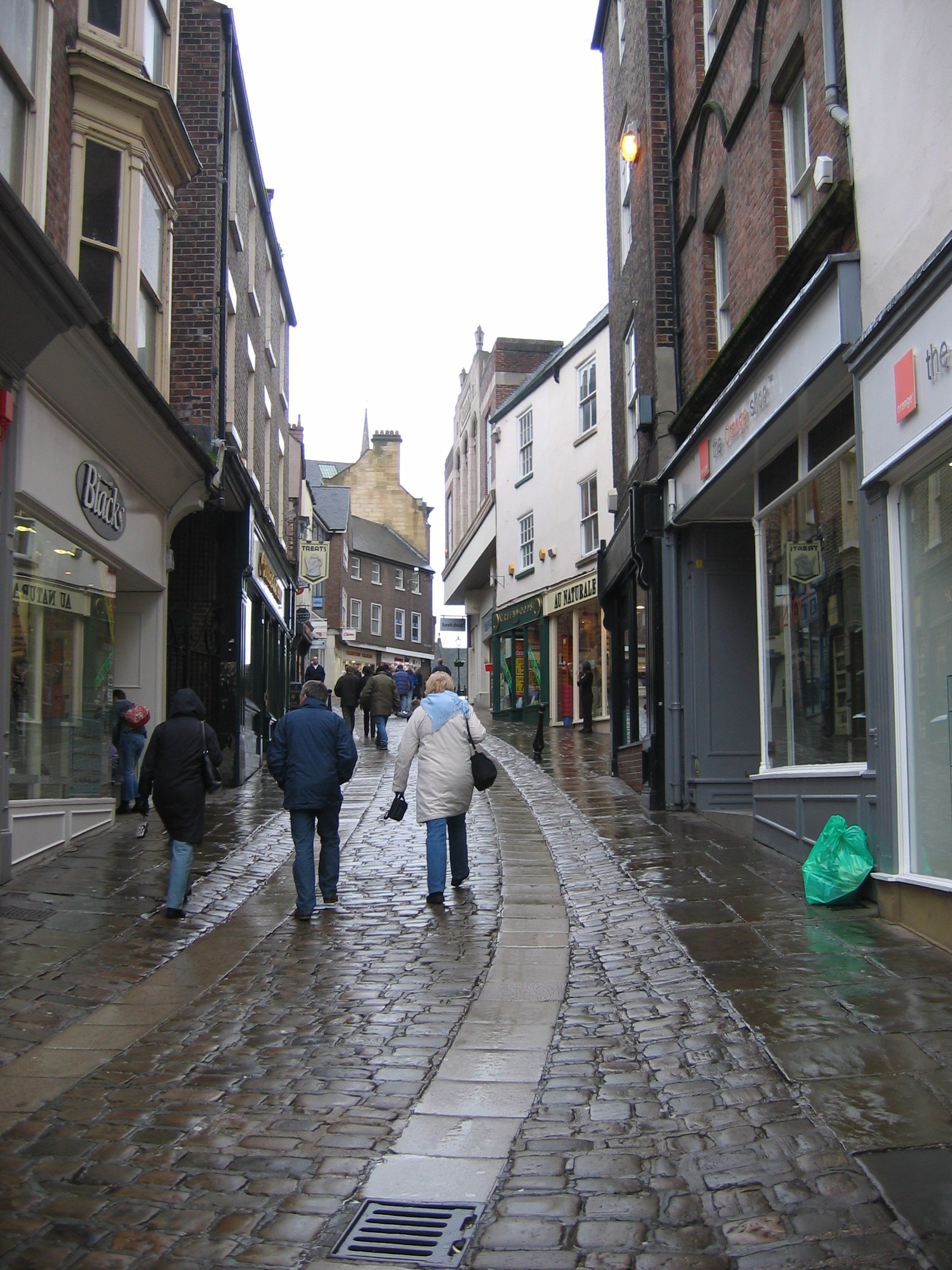 The city centre is relatively small, and once you've explored the main sights you may find yourself wondering what to do next. Parking can also be a nuisance, and those steep streets aren't particularly kind to anyone who dislikes walking uphill.
But perhaps Durham's compactness is actually part of its charm. It isn't trying to compete with London or Manchester for endless attractions. Its appeal is concentrated in a relatively small area, allowing you to slow down and enjoy it rather than spending half the day travelling between sights.
And if you do have a car, the surrounding countryside and attractions of County Durham provide plenty of opportunities for further exploration.
Old Moaner's verdict: Durham is a gem. The cathedral and castle are the stars, but it is the combination of architecture, river, bridges, narrow streets and dramatic setting that makes the place special. It is historic without feeling like a museum piece and small enough to explore without needing a military campaign.
You don't need several days to see Durham, but give it a full day and take your time. And make sure you see the cathedral from the river — that's when the city really shows off.
Highly recommended.
Prices correct as at September 2026
Return to North East home page