
Florence
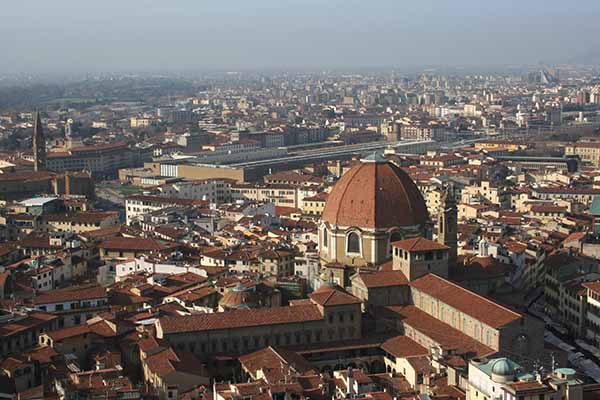 Florence is one of those cities where you can barely turn a corner without finding something important. Renaissance paintings, magnificent churches, grand palaces, sculptures, bridges and enough history to fill several books are packed into a relatively small area.
And that is one of Florence's great advantages.
Unlike some of Europe's larger cities, you don't need to spend your holiday travelling for miles between the main attractions. Much of the historic centre is easily explored on foot, which is just as well because stopping every few minutes to admire something is almost compulsory.
Florence is, quite simply, the home of the Renaissance.
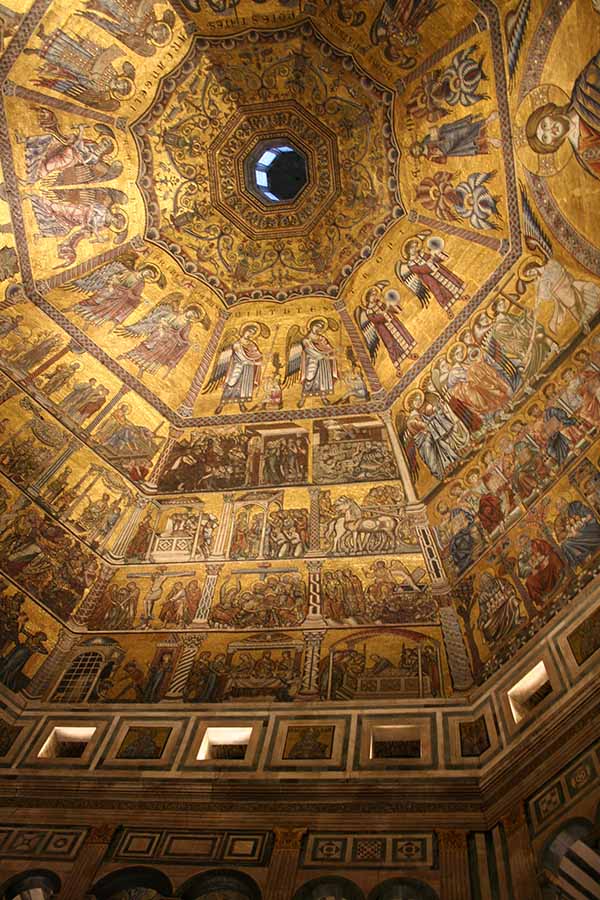
The obvious place to start is the magnificent Duomo, officially the Cathedral of Santa Maria del Fiore. Its enormous dome dominates the Florence skyline and is one of the great architectural achievements of the Renaissance. Designed by Filippo Brunelleschi, the dome was an extraordinary feat of engineering when it was completed in the 15th century.
The exterior, covered in green, pink and white marble, is spectacular, although the inside is surprisingly restrained by comparison.
If you're reasonably fit and don't mind climbing a lot of steps, you can climb to the top of the dome. The reward is one of the best views in Florence, although you will have earned it by the time you get there.
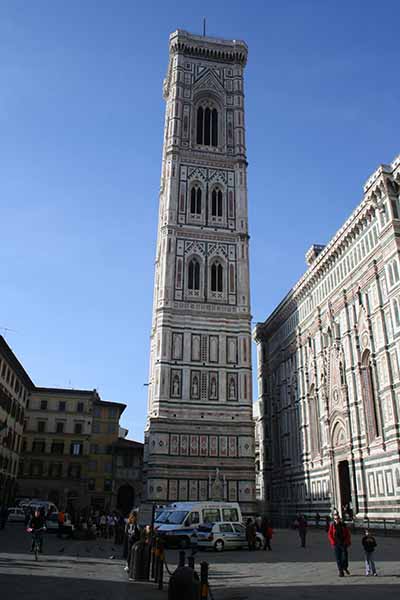 Next door is Giotto's Campanile, the cathedral's bell tower. This can also be climbed and provides another excellent view, with the added advantage that you can actually see Brunelleschi's enormous dome from the top.
Then there is Michelangelo's David.
The original is housed in the Galleria dell'Accademia, and seeing it in person is rather different from seeing photographs of it. It is enormous, incredibly detailed and remarkably impressive. You will almost certainly have to queue or book ahead, but this is one of those occasions when the effort is justified.
There are copies of David elsewhere in the city, including the one in Piazza della Signoria, but don't make the mistake of thinking you've seen the original because you've seen the statue outside. You haven't.
The Uffizi Gallery is another essential visit for anyone interested in art. It contains one of the world's great collections of Renaissance paintings, including works by Botticelli, Leonardo da Vinci, Michelangelo and Raphael.
The problem with the Uffizi is not what's inside.
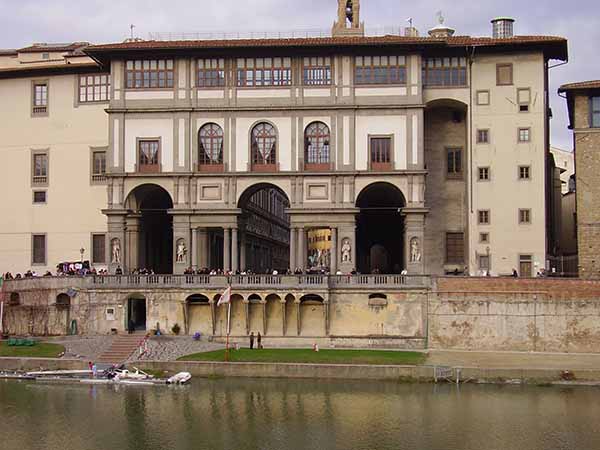 It's the sheer number of people trying to get inside.
Book ahead and accept that you are going to spend several hours looking at masterpieces while simultaneously trying not to walk into somebody else. If you aren't an art enthusiast, the sheer quantity of paintings can become slightly overwhelming, but even the less enthusiastic visitor should be able to appreciate the importance of what is on display.
Florence is also home to Palazzo Vecchio, the impressive medieval town hall overlooking Piazza della Signoria. The square itself is effectively an open-air sculpture gallery, with statues and fountains surrounding it.
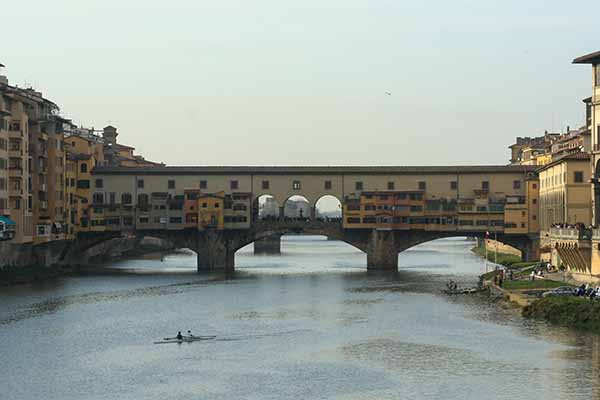
Nearby is the Ponte Vecchio, the famous medieval bridge crossing the River Arno.
It is one of Florence's most recognisable landmarks and is lined with jewellery shops. Originally, the bridge had a rather more practical collection of tradespeople, but today it is considerably more glamorous — and considerably more expensive.
 Cross the bridge and head towards the Palazzo Pitti and the Boboli Gardens. The enormous palace was once home to the Medici family and is now a collection of museums. The gardens behind it are extensive and provide an excellent place to escape the crowds and enjoy some greenery.
And then there are the Medici.
It is impossible to understand Florence without understanding the influence of this extraordinarily wealthy family. The Medici financed artists, architects and scholars and effectively turned Florence into the cultural powerhouse of Renaissance Europe.
Their influence is everywhere.
Florence's churches, palaces and galleries are filled with reminders of the family's wealth and patronage, and their story adds another layer to what you are seeing.
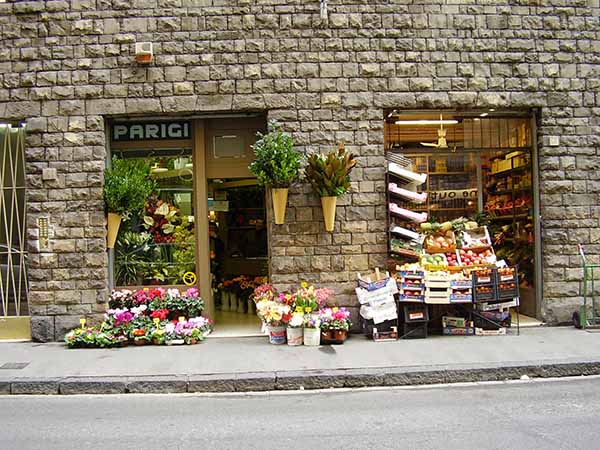 For a quieter experience, wander away from the main tourist streets. The Oltrarno district, on the opposite side of the Arno, has a more relaxed atmosphere and contains plenty of smaller workshops, cafés and restaurants.
One of the best things you can do in Florence is simply walk.
Forget the itinerary occasionally and wander down the side streets. You will find little squares, old buildings, churches and cafés without having to queue for any of them. Florence is compact enough that getting slightly lost is actually quite enjoyable.
Eventually, head up to Piazzale Michelangelo.
This is the classic viewpoint over Florence, and the panorama is superb. The entire historic centre lies below you, with the Duomo dominating the skyline and the hills of Tuscany stretching into the distance.
Go around sunset if you can.
It will be busy, but the view is worth sharing.
Food is another attraction, although Florence's cuisine is considerably more rustic than some visitors might expect. Bistecca alla Fiorentina, the enormous Florentine steak, is the obvious speciality for meat lovers. There is also ribollita, pappa al pomodoro and plenty of excellent Tuscan pasta.
And, naturally, there is gelato.
You will see gelateria everywhere. Some are excellent; others are clearly aimed at tourists. A good rule is to avoid the places where the gelato is piled into enormous brightly coloured mountains. Proper gelato is generally stored in covered containers rather than displayed like a geological formation.
Florence's biggest problem is the same one that affects many of Italy's great tourist destinations.
Tourists.
The city can become extremely busy, particularly in summer. The Duomo area, Ponte Vecchio and the major galleries can be packed, and the experience can occasionally feel more like crowd management than sightseeing.
But don't let that put you off.
 Florence is one of those places where the importance of what you are seeing is almost overwhelming. This relatively small Italian city produced or inspired some of the greatest artists, architects and thinkers in European history.
You can stand in front of Michelangelo's David, look up at Brunelleschi's dome or wander through the Uffizi and realise that these aren't simply old Italian buildings and paintings.
They changed the world.
Florence is beautiful, historic, cultured and, yes, rather crowded.
But if you have any interest in art, architecture or history, it is virtually impossible not to fall for it.
Florence isn't just a city you visit — it is a city you experience. And preferably, you experience it while eating gelato.
Return to Italy Home Page