
Gibraltar
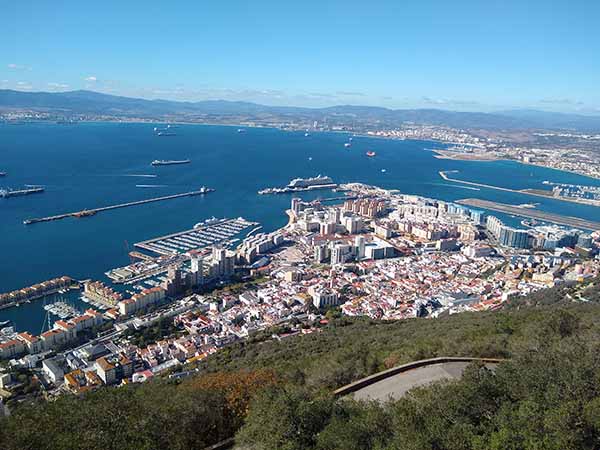 Gibraltar is one of those places that leaves you wondering whether you have actually left Britain at all — until you look up and realise there is a gigantic lump of limestone towering over you, the temperature is pushing 30°C and Spanish is being spoken everywhere. It is Britain with sunshine, monkeys and a rather complicated relationship with its next-door neighbour.
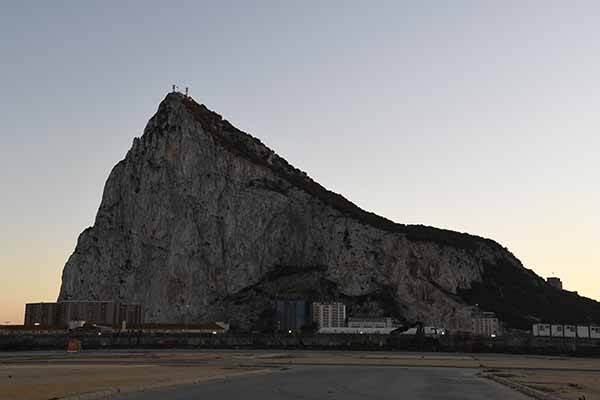
This tiny British Overseas Territory, attached to the southern tip of Spain, is only about 2.6 square miles, but it certainly manages to pack a lot into a very small space. The Rock dominates everything, and it is impossible to visit Gibraltar without spending some time exploring it.
The Rock of Gibraltar is the main attraction and, quite frankly, it is spectacular. Rising more than 400 metres above sea level, it provides magnificent views across Gibraltar, Spain and the Mediterranean. On a clear day you can see across the Strait of Gibraltar to North Africa, which is one of those geographical moments that makes you stop and appreciate exactly where you are.
The easiest way to the top is by cable car, although there are organised tours and plenty of opportunities to walk if you are feeling particularly energetic. Once up there, you will discover that you are sharing the Rock with Gibraltar's most famous residents — the Barbary macaques. However the cable car is very slow, there is only one cabin, so expect to queue - a long time.
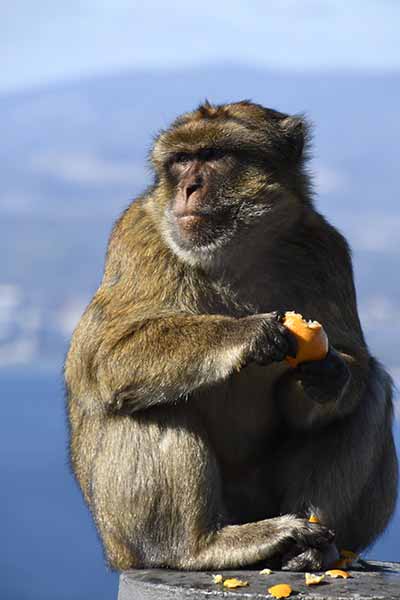 These are Europe's only wild monkeys and they are undeniably entertaining, but don't be fooled by their cute appearance. They are wild animals and have become extremely accustomed to tourists carrying food. They have also worked out that handbags, cameras and anything remotely edible can potentially be stolen. Keep your belongings firmly under control and don't feed them.
The monkeys are one of the things that make Gibraltar so memorable, but the Rock has another side which is considerably more serious.
Gibraltar has been a fortress for centuries and the military history is everywhere. The Great Siege Tunnels, carved into the Rock by British soldiers during the 18th-century Great Siege, are particularly impressive. What began as an attempt to create gun positions eventually developed into an extraordinary network of tunnels running through the limestone.
The Upper Rock also contains defensive batteries, fortifications and other military installations, reminding you that Gibraltar's strategic importance was far greater than its tiny size would suggest.
Another fascinating attraction is St Michael's Cave, a huge natural cavern inside the Rock. Today it is used for concerts and performances, but even without an event taking place, the stalactites and enormous cavern are impressive. It feels slightly surreal to be standing inside the Rock after having spent the morning looking at it from the outside.
Back at ground level, Gibraltar becomes a rather strange mixture of Britain and the Mediterranean.
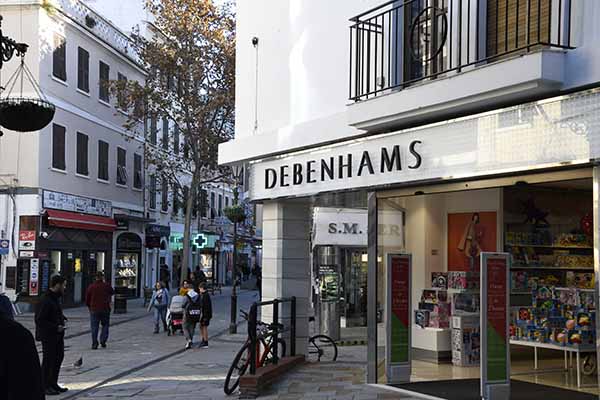 The main shopping area around Main Street is unmistakably British in character, with familiar shops, red telephone boxes and plenty of Union Flags. You will also find English pubs, British-style food and prices displayed in pounds. Yet walk a few streets further and you are surrounded by Mediterranean architecture and sunshine.
And then there is the traffic.
Gibraltar has the unusual distinction of having an international border crossing where you can walk straight from Spain into British territory. The airport runway actually crosses the main road, meaning that traffic and pedestrians can be stopped when an aircraft takes off or lands. It is one of those things that sounds ridiculous until you see it happening.
The airport itself is another reminder of how little space Gibraltar has. There simply isn't room for enormous expanses of infrastructure, so everything has been squeezed into the available territory.
For something a little more relaxing, head down to Catalan Bay, one of Gibraltar's prettiest areas. The colourful houses sit beneath the Rock beside a small beach and provide a welcome change from the busier centre. There are also beaches at Sandy Bay and Eastern Beach, although don't come to Gibraltar expecting endless stretches of golden sand. That isn't really what it is about.
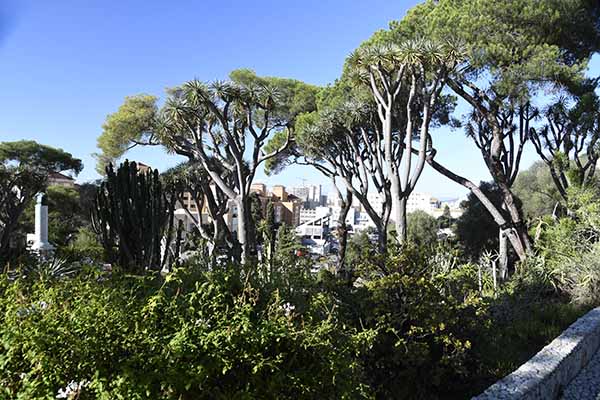 The Gibraltar Botanic Gardens, also known as the Alameda, provide another pleasant escape from the concrete and traffic. They contain a mixture of Mediterranean and subtropical plants and are particularly enjoyable when the heat in the town becomes a little too much.
Then there is the sea itself. Gibraltar sits at one of the world's great maritime crossroads, where the Atlantic meets the Mediterranean and Europe sits just a few miles from Africa. Boat trips are available for dolphin watching and sightseeing around the Rock, and seeing Gibraltar from the water gives you a completely different perspective.
Of course, you cannot discuss Gibraltar without mentioning Spain.
The Spanish border is literally next door, and the enormous presence of Spain makes Gibraltar's British identity all the more noticeable. The political argument over sovereignty has been going on for generations and is unlikely to disappear any time soon. For visitors, however, the practical reality is rather simpler: Gibraltar is British, uses sterling and operates with its own distinct identity, while Spain is just a few steps away.
 This makes Gibraltar an interesting place rather than simply another Mediterranean resort.
It isn't perfect. The town can feel crowded, traffic can be irritating, prices aren't always particularly friendly and the combination of tourists, cars, narrow roads and limited space can occasionally become rather chaotic. You also need to remember that the Rock is a genuine natural environment rather than a theme park, particularly when dealing with the monkeys.
But Gibraltar has something that many tourist destinations lack — personality.
Where else can you walk along a British high street, climb a Mediterranean mountain, see wild monkeys, explore tunnels carved by British soldiers, look across two continents and then finish the day with fish and chips and a pint?
Gibraltar is small, slightly bizarre and completely unique.
It may only be a tiny speck on the map, but Gibraltar certainly knows how to make itself noticed.
Return to Europe Home Page