
Lake District
The Lake District is one of those parts of Britain where even the most hardened Old Moaner has to admit that nature has done a rather good job. Mountains, lakes, waterfalls, stone villages, winding lanes and some spectacular views combine to make this one of Britain's finest landscapes. It is also somewhere that can make you completely forget that you are supposed to be complaining about something.
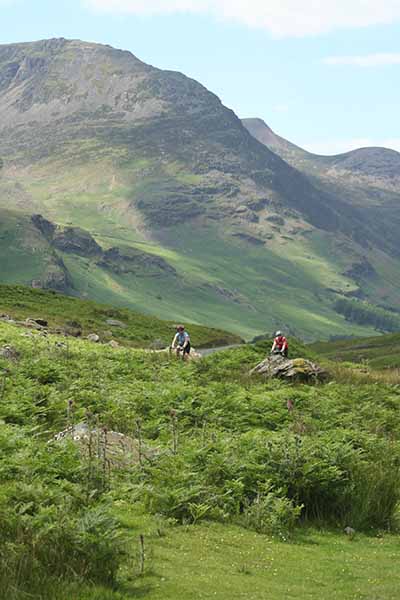 The Lake District National Park covers a huge area of Cumbria and includes some of the most dramatic scenery in England. It became a National Park in 1951 and was subsequently designated a UNESCO World Heritage Site in recognition of its cultural landscape. The area has inspired poets, writers and artists for centuries, most famously William Wordsworth, but it has also become one of Britain's most popular holiday destinations.
And therein lies the first Old Moaner warning: it can get busy.
The Lake District is not a secret. In high summer, popular roads and attractions can be packed, car parks fill rapidly and following a narrow country lane behind somebody who appears terrified of anything with more than two gears can test the patience. But get here outside the busiest periods, or simply venture a little away from the obvious hotspots, and the crowds thin out remarkably quickly.
The obvious place to start is Windermere, England's largest natural lake. The town of Windermere sits slightly inland from the actual lake, while Bowness-on-Windermere is the main tourist centre on the water. Bowness can be busy and decidedly touristy, but it is also an excellent base for exploring the area.
The best way to appreciate Windermere is from the lake itself. Boats run between the principal settlements, offering cruises ranging from short trips to longer excursions. You get a completely different perspective from the water, with wooded slopes and mountains rising behind the lake and grand houses appearing along the shoreline.
If you are staying around Windermere, don't simply spend the entire holiday wandering along the tourist-packed waterfront. Take a boat, get off somewhere quieter and explore. The Lake District rewards movement.
One of the most attractive destinations is Ambleside, at the northern end of Windermere. It is a compact stone-built town surrounded by spectacular scenery and has a particularly good selection of shops, pubs, cafés and restaurants. Nearby is Stock Ghyll Force, a waterfall reached by a pleasant walk from the town.
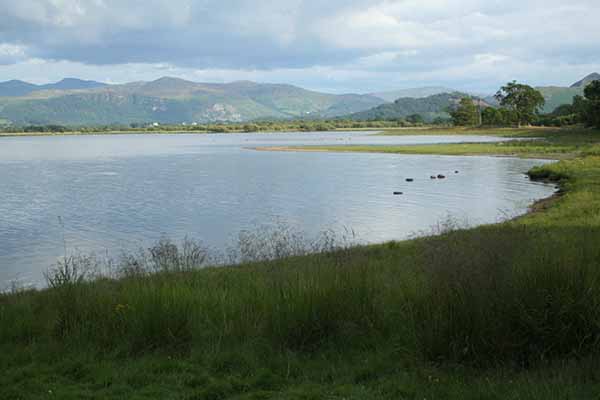 A little further north is Grasmere, one of the Lake District's prettiest villages. It is strongly associated with Wordsworth, who lived nearby at Dove Cottage. Wordsworth described the area in some of his most famous poetry, and it isn't difficult to understand why. The landscape around Grasmere has the sort of scenery that makes you feel somebody has turned up the saturation on reality.
Grasmere is also famous for something rather more edible: Grasmere Gingerbread. The recipe was developed by Sarah Nelson in the nineteenth century and remains a local institution. Whether you regard it as gingerbread, a confectionery product or an addictive substance is largely irrelevant. You will probably end up buying some.
Nearby Rydal Water and Rydal Mount, another of Wordsworth's homes, provide more opportunities to combine scenery with literary history. Wordsworth spent much of his life in the area and did more than perhaps anyone else to establish the Lake District's reputation as a place where landscape and literature belong together.
Then there is Keswick, in the northern Lake District. Sitting beneath Skiddaw and beside Derwentwater, it is another excellent base and arguably one of the best places in the Lakes for those who want easy access to the mountains without sacrificing cafés, pubs and shops.
Derwentwater is often described as one of the most beautiful lakes in the region, and it is difficult to disagree. Boat trips operate on the lake, with stops allowing visitors to get off and explore the shoreline. The views towards the surrounding fells are superb, particularly when the weather decides to cooperate.
Keswick also has a long connection with Robert Southey, another of the Lake Poets, while the nearby Castlerigg Stone Circle provides a much older piece of history. The prehistoric stones stand dramatically against the surrounding mountains and are one of the Lake District's most spectacular archaeological sites.
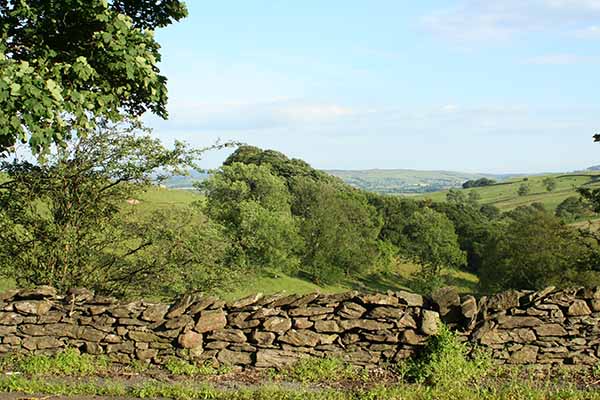 For those wanting something rather more energetic, the Lake District is obviously walking country. There are gentle lakeside paths suitable for almost anybody and serious mountain routes for experienced walkers. The choice is enormous.
The highest mountain in England is here: Scafell Pike, at 978 metres. It isn't Everest, but don't be fooled into thinking that means it is an easy stroll. Weather conditions can change rapidly and the terrain can be rough. Proper preparation is essential.
Other famous peaks include Helvellyn, Skiddaw and the Langdale Pikes. The Langdale Valley is particularly spectacular, with its dramatic mountain scenery and traditional stone buildings. It is one of those places where you will find yourself stopping the car every few minutes because the view has changed yet again.
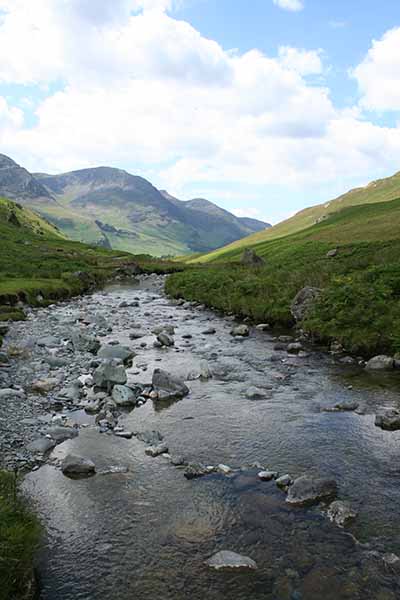
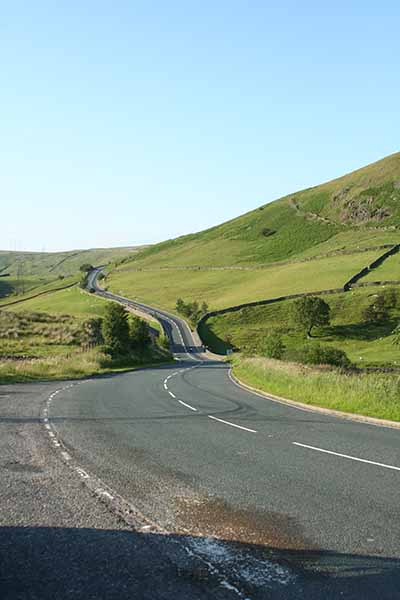
The Lake District's roads are themselves part of the experience. Kirkstone Pass, Honister Pass and Hardknott Pass provide some spectacular driving, although Hardknott in particular is not for nervous drivers. The gradients are severe, the road is narrow and the bends appear to have been designed by somebody who didn't believe in straight lines.
The reward is extraordinary scenery.
One of the great pleasures of the Lake District is discovering its smaller valleys and villages. Coniston sits beside the lake of the same name and has strong associations with the Victorian writer John Ruskin, whose former home, Brantwood, stands on the eastern shore.
Coniston Water is also famous for speed records. Sir Malcolm Campbell and Donald Campbell used the lake for record attempts, with Donald Campbell achieving the world water-speed record there in 1956 before breaking his own record elsewhere. The bluebird name remains part of Coniston's history.
Further west lies Buttermere, a much smaller lake but one surrounded by spectacular mountains. It is particularly good for a circular walk around the water. Nearby Crummock Water and the Honister Pass provide some of the most dramatic scenery in the western Lakes.
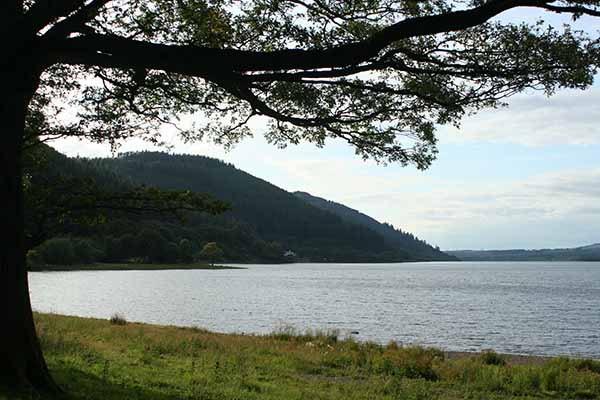 And then there is Ullswater, often regarded as one of the most beautiful lakes in England. It is long, narrow and surrounded by mountains, with the villages of Glenridding and Pooley Bridge providing access. Ullswater Steamers operate cruises on the lake, making it possible to combine a boat trip with walks along the shore.
For something slightly different, visit Hawkshead. This delightful village has narrow streets and traditional whitewashed buildings, and cars are largely kept away from its centre. Beatrix Potter also has a connection with the area, although her principal Lake District home was further south.
That home is Hill Top, near Sawrey. Beatrix Potter bought the farm in 1905 using the proceeds from The Tale of Peter Rabbit. The house and surrounding landscape became an important source of inspiration for her books. Nearby is the World of Beatrix Potter in Bowness, which is considerably more geared towards families and the characters she created.
Another Potter-related attraction is Wray Castle, on the western shore of Windermere. Although it looks like a medieval castle, it is actually a nineteenth-century Gothic Revival house and is one of the more eccentric buildings around the lake.
The Lake District isn't entirely about lakes, mountains and literary figures. There are some excellent gardens too. Sizergh Castle, near Kendal, combines a historic house with attractive gardens and grounds, while Levens Hall is famous for its topiary. If you have reached the point where another mountain looks suspiciously like the previous one, a garden provides a perfectly respectable change of scenery.
 At the southern edge of the region is Kendal, traditionally known as the gateway to the Lakes. It has a castle, historic streets and a long association with the production of Kendal Mint Cake, the sugary slab supposedly beloved of mountaineers. Quite how anybody manages to eat it without losing a filling is another question.
Food in the Lake District has improved considerably over the years. There are excellent local cheeses, meats, breads and ales, while the villages are full of cafés and pubs offering hearty food. After a day walking up a mountain, you can justify almost anything on the menu.
And you will need something substantial if you are going to tackle the weather.
Because the Lake District's greatest asset is also its greatest uncertainty: the weather. It can be gloriously sunny, spectacularly wet, misty, windy and occasionally all four within the same afternoon. The mountains create their own weather systems and conditions can change quickly. A beautiful morning is not a guarantee of a beautiful afternoon.
This is particularly important for walkers. Don't head into the fells wearing trainers because the forecast on your phone says sunshine. The Lake District has claimed lives over the years and deserves respect. Good footwear, suitable clothing, navigation equipment and sensible planning aren't optional extras if you are heading into serious mountain country.
For those who don't fancy climbing mountains, there is absolutely no need to. Some of the finest experiences in the Lakes involve sitting beside a lake, taking a boat trip, wandering around a village or simply driving through the valleys.
And perhaps that is why the Lake District appeals to such a wide range of people. The energetic can climb Scafell Pike. The literary can follow Wordsworth. Families can enjoy boats and attractions. Garden lovers can visit Sizergh and Levens. Railway enthusiasts can explore the Ravenglass & Eskdale Railway. Those who simply want to sit somewhere beautiful with a cup of tea are equally well catered for.
The Ravenglass & Eskdale Railway, affectionately known as the La'al Ratty, is a particularly enjoyable experience. It runs inland from the coastal village of Ravenglass through the Eskdale Valley and provides access to some wonderfully remote scenery without requiring you to walk there.
On the western edge of the National Park, Ravenglass itself is worth visiting. It is the only coastal village within the Lake District National Park and has a fascinating Roman connection. The remains of the Roman bath house provide a reminder that people were admiring the strategic advantages of this part of Cumbria nearly two thousand years ago.
The Lake District also has an important industrial heritage. Mining, quarrying, farming and slate extraction all played their part in shaping the landscape. Places such as Honister and the old slate workings around Coniston demonstrate that this apparently untouched wilderness has actually been heavily influenced by generations of human activity.
That is an important point. The Lake District isn't simply wilderness. It is a cultural landscape, shaped by farmers, miners, poets, tourists and generations of people who have lived and worked here. The stone walls, barns, lanes and villages are as much part of its identity as the mountains and lakes.
 So, is there anything to moan about?
Well, yes.
The roads can be dreadful in summer. Parking can be expensive or difficult. Some popular villages become almost unbearably crowded on a sunny bank holiday. Accommodation can be eye-wateringly expensive. The weather can change your carefully planned day into a wet walk around a car park. And if you are unlucky enough to meet a coach on a single-track road, you may begin to question every decision that brought you there.
But these are relatively minor complaints when you look around.
The Lake District remains one of those rare places where the landscape genuinely lives up to the hype. Even after visiting several times, you can turn a corner and encounter a view that makes you stop.
Old Moaner's verdict: The Lake District is magnificent. It is beautiful, varied and full of things to do, whether your idea of a holiday involves climbing mountains at dawn or sitting beside a lake eating cake.
Yes, it gets crowded. Yes, it rains. Yes, the parking situation can make you want to throw the sat-nav into Windermere. But none of that changes the fact that this is one of Britain's great landscapes.
Don't simply tick off Windermere, Grasmere and Keswick and claim you've "done" the Lake District. Get off the main tourist trail. Explore the western valleys, take a boat across Ullswater, drive a mountain pass, visit a small village, walk beside a lesser-known lake or simply find a quiet spot and enjoy the view.
Because the real magic of the Lake District isn't found in one particular attraction.
It is found when you round a bend, the clouds lift from the mountains, the sunlight hits the water and you suddenly understand exactly why people have been coming here for generations.
And then, inevitably, it starts raining.
Welcome to the Lake District.
(prices quoted correct as at August 2026)
Return to North West home page