
Las Vegas
Las Vegas is one of those places that everybody should probably visit once. The problem is deciding whether once is enough.
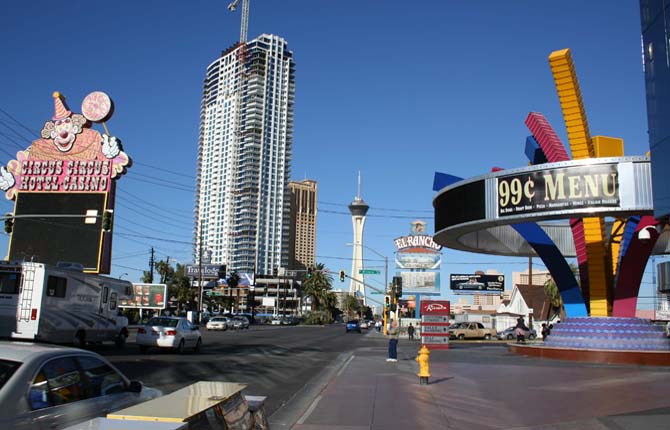 My first visit was in 1979, and back then Las Vegas was one of the greatest bargains on the planet. Hotels were cheap, food was cheap, drinks were cheap and casinos practically threw offers at you in the hope that you would spend a little money at the tables. The whole business model seemed to revolve around attracting people in with extraordinary value for money.
How times change.
Modern Las Vegas is bigger, brighter and more spectacular than ever, but it has also become a victim of its own success. The city that once lured visitors with bargains now seems determined to extract every last penny from them. Resort fees, parking charges, expensive drinks, eye-watering food prices and endless add-ons mean that your wallet can become considerably lighter before you have even reached the casino floor. The old saying that "the house always wins" has perhaps never been more accurate.
That said, there is no denying that Las Vegas remains one of the most extraordinary places on Earth.
The centrepiece is, of course, The Strip, a several-mile stretch of hotels and casinos that resembles a giant architectural competition in which nobody was allowed to use the word "restraint". Here you will find the great resort hotels that have become famous around the world.
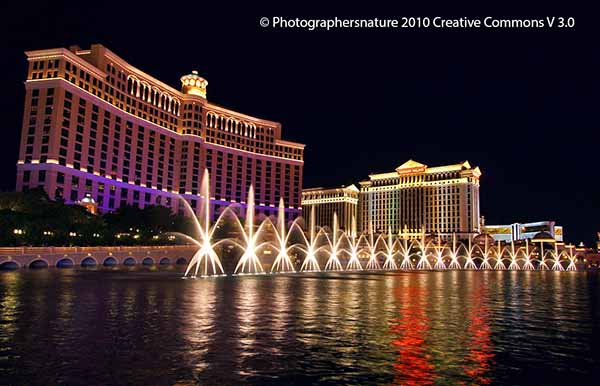 The Bellagio, with its dancing fountains, remains one of the city's icons. The fountain display, thankfully still free, is one of those attractions that can stop hundreds of people in their tracks. Inside, the conservatory gardens and the vast lobby continue the theme of unapologetic extravagance.
Caesars Palace has been part of the Las Vegas story for decades, offering Roman grandeur on a scale that would probably have surprised the actual Romans. The Venetian reproduces canals, bridges and gondolas beneath painted skies, while the black pyramid of the Luxor remains one of the most distinctive buildings on the Strip.
Then there is Paris Las Vegas, complete with its Eiffel Tower, and New York-New York, where the Manhattan skyline has been compressed into casino form. MGM Grand, Wynn, Encore, Mandalay Bay and the huge modern resorts continue the tradition of making visitors feel as though they have stepped into another world.
Las Vegas has never done things by halves.
The hotels themselves can be attractions. There are spectacular pools, enormous shopping malls, theatres, aquariums, exhibitions and enough restaurants to satisfy almost every taste and budget. The entertainment is world class, with concerts, comedy, magic shows and productions that would be headline events anywhere else.
But there is another side to Las Vegas.
 Away from the polished marble, carefully controlled temperatures and endless background music lies a rather darker reality. The city exists because people lose money, and not everybody can afford to lose it. Gambling addiction is a serious problem, and while millions visit and enjoy themselves responsibly, others do not. The bright lights can sometimes hide personal stories that are considerably less glamorous.
Las Vegas also has visible poverty and homelessness, particularly away from the main tourist areas. Beneath the city, a network of flood tunnels has become an informal shelter for some people with nowhere else to go. It is a stark contrast to the wealth displayed in the casinos above ground and a reminder that not everybody shares in the prosperity that tourism creates.
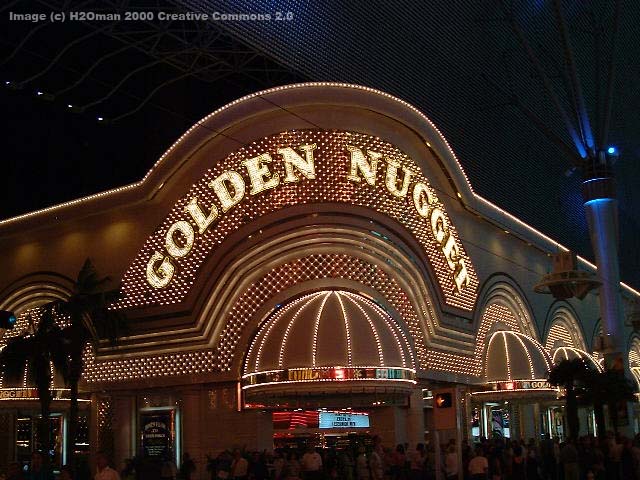 The older parts of the city tell another story. Downtown Las Vegas, centred on Fremont Street, retains more of the character of old Vegas. The neon signs, historic casinos and giant video canopy create an atmosphere that is very different from the polished corporate world of the Strip. There is still a sense here of the Las Vegas many people remember from years ago.
The Neon Museum, where many of the city's old signs have been preserved, is surprisingly moving. It is a reminder that Las Vegas has constantly reinvented itself and has left many of its previous incarnations behind.
Daytime admission (September - May) is from $25.00 (£18.25) and evening (20:00 - midnight June - August) is from $35.00 (£25.50)
Food is another area where prices have changed dramatically. Once famous for cheap buffets, Las Vegas now often charges prices that can make visitors blink twice before ordering. There are still bargains to be found if you look carefully, particularly away from the Strip, but the days when Vegas was one of the world's great value destinations are long gone.
Walking the Strip can also be more of an endurance test than people expect. Distances are huge, summer temperatures can be ferocious and those glamorous hotels that appear close together are often much further apart than they look. A quick stroll can turn into several miles of walking through casinos, shopping areas and air-conditioned corridors.
And yet, despite all this, Las Vegas remains oddly compelling. There is nowhere else quite like it. It is excessive, artificial, noisy, expensive and occasionally faintly ridiculous — and that is precisely the point.
Where else can you have breakfast in Paris, lunch in Venice, dinner in New York and finish the evening beneath an Egyptian pyramid?
Old Moaner verdict: Las Vegas used to be one of the greatest bargains on the planet. Today it often feels like a city that sees visitors as walking cash machines. The value has largely disappeared, and the endless charges can become irritating very quickly. But the spectacle remains extraordinary, the resort hotels are astonishing and there is still enough old Vegas charm, especially downtown, to remind you why the city became famous in the first place. Just take plenty of money — Las Vegas certainly intends to relieve you of it.
Henderson
Just southeast of Las Vegas lies Henderson, a rather different proposition from its famous neighbour.
Originally developed around the magnesium industry during the Second World War, Henderson has grown into a substantial city in its own right and is now one of the more affluent and comfortable parts of the Las Vegas metropolitan area. It is largely residential, with pleasant neighbourhoods, golf courses, parks and the attractive Lake Las Vegas area providing a welcome contrast to the neon, casinos and relentless noise of the Strip.
There isn't the same concentration of headline attractions here, but that's rather the point.
Henderson offers a chance to see how people actually live in the Las Vegas area once you escape the gambling tables and tourist hordes.
For anyone staying in the area, it makes a useful base — although if you're expecting another Las Vegas, you'll probably wonder where all the madness has gone.
Prices correct as at August 2026
Back to USA home page