
Lincoln
Lincoln is a city with a split personality. Down at the bottom of the hill you have a fairly conventional modern city, with shops, traffic and all the usual trappings. Then you start climbing Steep Hill and suddenly you are transported into a very different world of medieval streets, ancient buildings, a magnificent cathedral and one of England's most impressive castles.
And yes, Steep Hill really is steep.
If you are expecting a gentle stroll, forget it. By the time you've reached the top you may well be wondering whether visiting a cathedral was worth the cardiovascular workout. It is — but take your time.
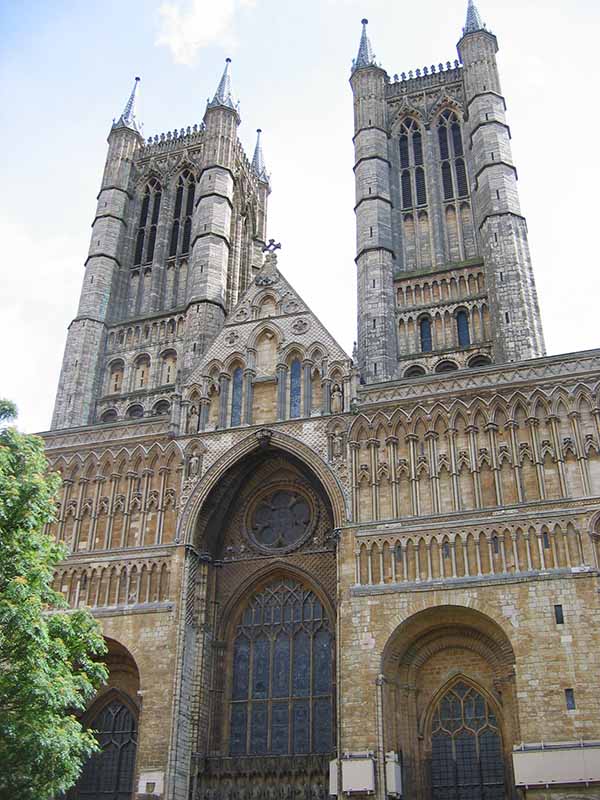 At the top sits Lincoln Cathedral, and this is the reason many people come here in the first place. It is enormous, spectacular and impossible to ignore. For centuries it was the tallest building in the world, and even today its scale is impressive.
The interior is every bit as impressive as the exterior, with vast Gothic arches, beautiful stained glass and a remarkable sense of space. The famous Lincoln Imp has become something of a city mascot, although why a cathedral decided to immortalise a mischievous little demon is one of those questions best left to medieval theologians.
Lincoln Cathedral is generally open for visitors from Monday to Saturday between 9:00 and 17:00, and on Sundays from 10:00 to 16:00 (with charging/visitor hours typically running 10:00 – 16:00 Mon–Sat and shorter hours on Sundays).
Admission Adults (Monday–Saturday): £12.95, Adults (Sunday) £10.95, Children (Ages 0–16): Free. UK Students: Free with a valid photographic ID
Next door is Lincoln Castle, another superb attraction. Built by William the Conqueror, it occupies a commanding position above the city and still has substantial medieval walls.
One of the best things you can do here is walk the castle walls. The views across Lincoln and the surrounding countryside are excellent, and the scale of the fortress becomes much more apparent when you're looking down from the battlements.
The castle also houses one of the few surviving original copies of the Magna Carta, along with the Charter of the Forest. If that doesn't sound particularly exciting, trust me — standing in front of a document that helped shape the development of English constitutional history is rather different from reading about it in a textbook.
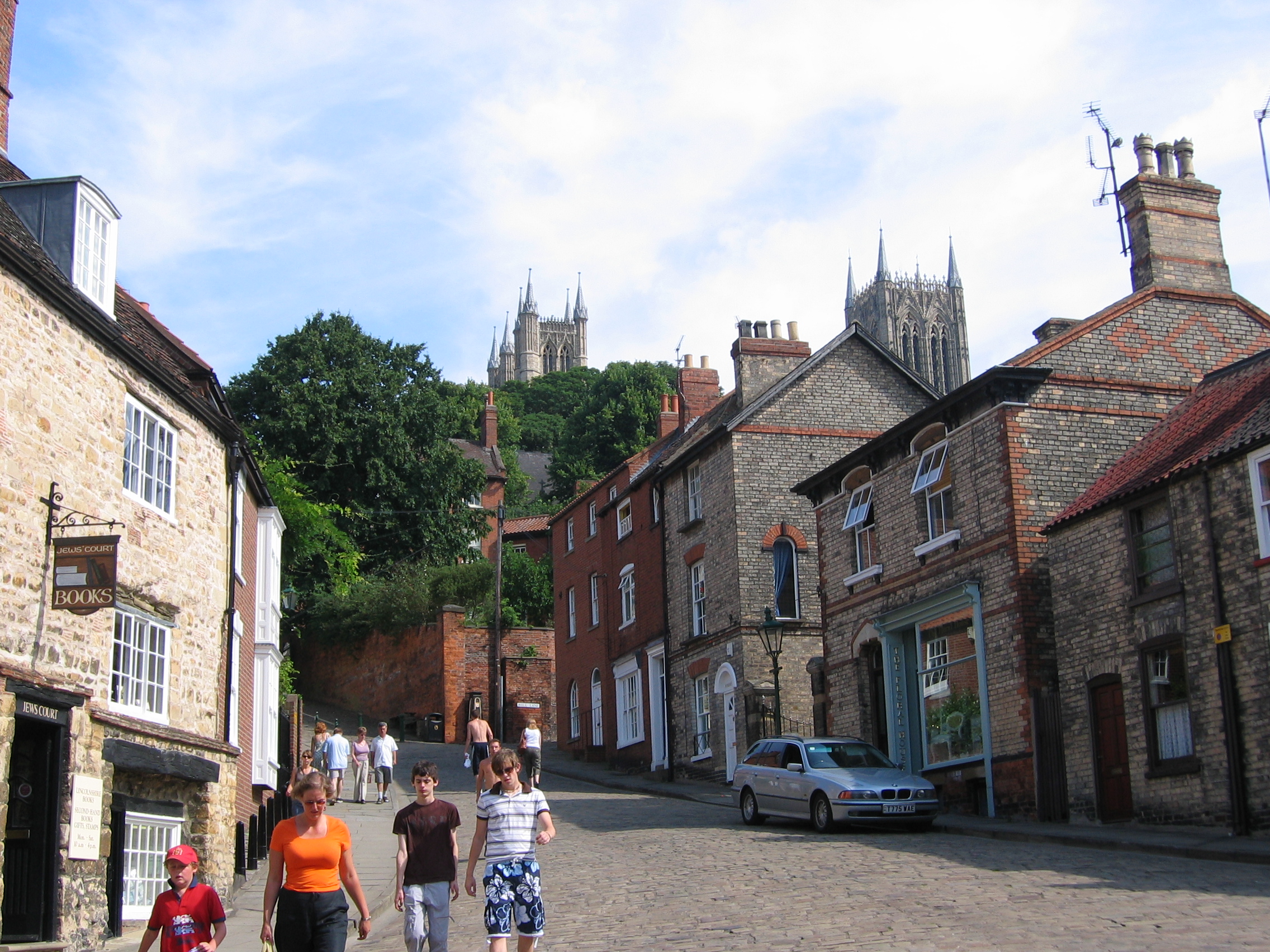 Lincoln's historic quarter is centred around the Bailgate, with its attractive old buildings, independent shops, cafés and pubs. This is where Lincoln is at its most enjoyable. Wander around without worrying too much about where you're going and you'll find plenty of interesting corners.
The Roman history is equally significant. Lincoln was founded as a Roman fortress and later became an important settlement known as Lindum Colonia. Remains can still be found around the city, including sections of Roman wall and the Newport Arch.
Then there is the Jewish heritage of medieval Lincoln, the medieval bishop's palace and a whole collection of historic buildings that demonstrate just how important the city once was.
Lincoln's position was no accident.
It stands on a major ridge overlooking the surrounding countryside, making it an obvious strategic location. The Romans recognised it, the Normans recognised it and medieval England certainly recognised it. The cathedral and castle together were a rather effective way of demonstrating both religious and military power.
And they still dominate the skyline today.
For something more peaceful, Lincoln Arboretum provides a pleasant escape from the historic centre, while the River Witham and Brayford Pool offer a completely different atmosphere down in the modern city.
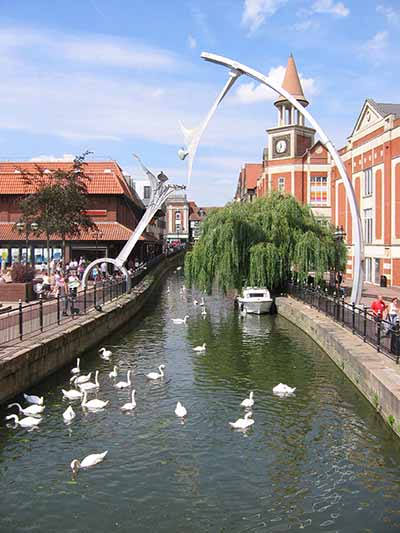 Brayford Waterfront has been transformed into a lively area of restaurants, bars and cafés. It is a useful reminder that Lincoln isn't simply a collection of medieval buildings preserved under glass — it is a working university city with a modern population and plenty going on.
The University of Lincoln has added considerably to that modern side, bringing students and new development to an area that was once largely industrial.
There are several museums worth visiting too. The Museum of Lincolnshire Life is particularly good if you want to understand the county's more recent history, while the International Bomber Command Centre provides a sobering and extremely worthwhile look at the history of Bomber Command during the Second World War.
And then there is shopping.
Lincoln has all the usual high-street names, but the historic quarter is where I'd spend my money. The independent shops and cafés around Steep Hill and Bailgate are much more interesting than another identical chain store.
Naturally, there are drawbacks.
Steep Hill is the obvious one. It is picturesque, but your legs may not agree. Parking can also be awkward, and the city can become extremely busy during weekends and school holidays. Once you've got a coach party blocking Steep Hill, your leisurely exploration of medieval Lincoln can become rather less leisurely.
The weather is another consideration. Lincoln's major attractions are largely outdoors or involve plenty of walking, so a wet and windy day isn't ideal.
But on a decent day, Lincoln is difficult to beat.
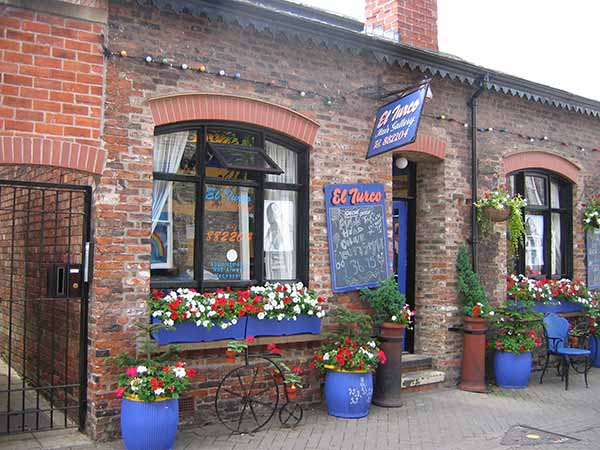 The combination of cathedral, castle, medieval streets, Roman remains and the views across the surrounding countryside gives the city a genuine sense of place. It doesn't feel as though someone has simply assembled a collection of historic buildings for tourists — this is a city that has been evolving for nearly 2,000 years.
And that is its greatest strength.
Old Moaner's verdict: Lincoln is one of England's best historic cities. The cathedral is magnificent, the castle is fascinating, the medieval quarter is a pleasure to explore and there is enough Roman and later history to keep anyone interested.
Come prepared for the hills, wear sensible shoes and allow at least a full day. And don't make the mistake of visiting the cathedral and castle and then going home — half the fun is wandering around the streets between them.
Highly recommended — just remember that Steep Hill isn't joking about its name.
Prices correct as at September 2026
Return to East Midlands home page