
Lindisfarne
Lindisfarne, better known as Holy Island, is one of those places that seems to belong to another world. Sitting just off the Northumberland coast, it is connected to the mainland by a tidal causeway, meaning that twice a day the road disappears beneath the North Sea. It is a rather effective way of making sure visitors don't overstay their welcome!
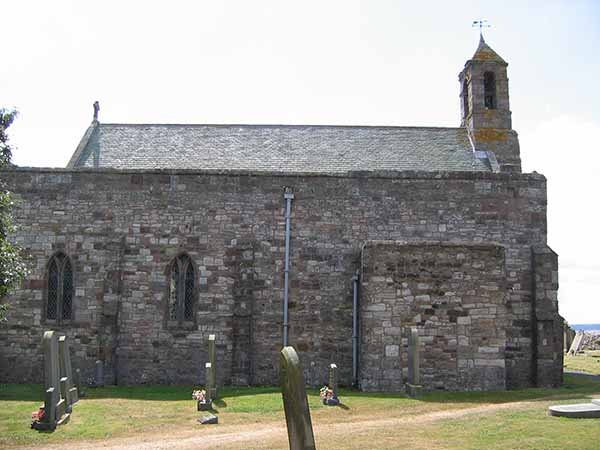 The island's history goes back to the seventh century, when St Aidan established a monastery here in AD 635. It became one of the great centres of early Christianity in Britain, and later became associated with St Cuthbert, whose remains were brought here. The famous Lindisfarne Gospels, produced around the beginning of the eighth century, are another reminder of the island's extraordinary importance.
The ruins of Lindisfarne Priory dominate the village and provide the island's most evocative sight. The surviving stonework is impressive, but it is the combination of ruined monastery, sea and vast skies that really makes the place special.
Nearby is Lindisfarne Castle, perched dramatically on a rocky outcrop. Originally a Tudor fortress, it was later transformed into a rather eccentric country house. The views from the top are superb, stretching across the surrounding coast and islands.
The village itself is small but pleasant, with cottages, little shops and cafés. There is also the famous Lindisfarne Mead, produced on the island for generations. Whether you regard it as a sophisticated fortified wine or a dangerously sweet alcoholic drink masquerading as fruit juice probably depends on how much you've had.
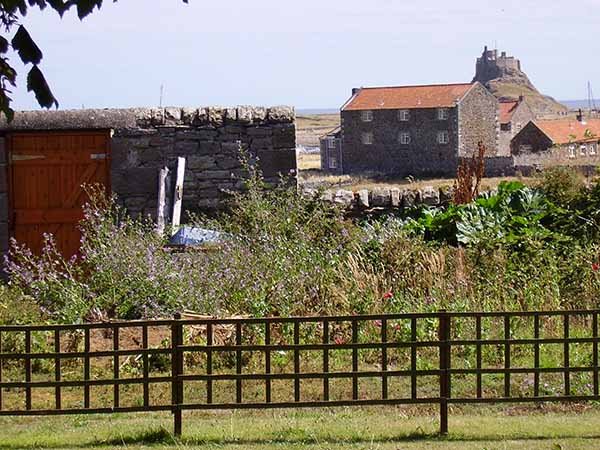 But the real attraction is simply walking. The beaches and dunes are beautiful, and the island's exposed position gives it a wonderful sense of space. On a quiet day, with the tide out and the Northumberland coast stretching away into the distance, it can feel wonderfully remote.
There is, however, one absolutely essential piece of advice: check the tide times before crossing the causeway. This isn't one of those tourist attractions where "the tide comes in" is a picturesque metaphor. The road genuinely floods, and every year there are visitors who discover this fact rather later than would be ideal. The refuge towers along the causeway are there for a very good reason.
Holy Island is consequently best enjoyed at a leisurely pace. Arrive when the causeway is open, explore the priory and castle, walk along the beaches, have something to eat and then make sure you leave before the North Sea decides to reclaim the road.
It is a place where history, landscape and the sea combine beautifully. The fact that access is controlled by the tides only adds to its character.
Lindisfarne may be reached by road, but it is the sea that is ultimately in charge. And somehow, that makes Holy Island even more special.
Return to UK Islands home page