
Port Sunlight
Port Sunlight is one of those places where you can spend half an hour admiring the pretty cottages and gardens before realising that you are actually looking at one of Britain's most important experiments in social housing.
Tucked away on the Wirral, Port Sunlight was created from the 1880s by William Hesketh Lever, founder of Lever Brothers and the man behind Sunlight soap. His idea was that if you wanted healthy and productive workers, it made sense to provide them with decent homes rather than leaving them to the overcrowded and often appalling conditions found in many Victorian industrial towns.
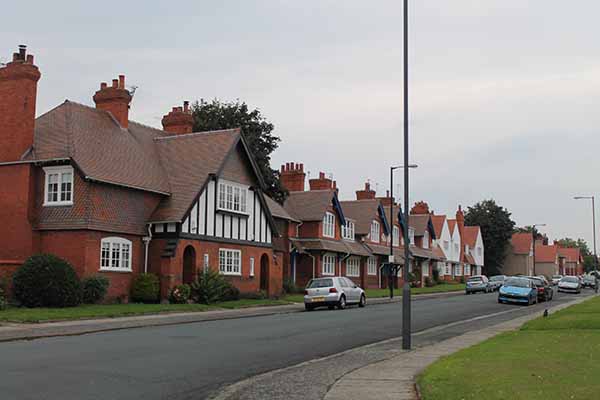 The result is an extraordinary village of more than 900 houses, built beside the soap works at Bebington. And these weren't simply identical rows of workers' cottages. Lever employed some of the leading architects of the day and allowed them considerable freedom, producing an eclectic mixture of Arts and Crafts, Tudor Revival, Dutch, Georgian and Gothic styles.
Walk around the village and almost every group of houses looks different. Half-timbering, elaborate gables, arches and towers appear among mature trees, gardens and open spaces. It is remarkably picturesque — although the residents may occasionally wonder why tourists keep photographing their front doors.
Port Sunlight was intended to be a complete community rather than simply somewhere for workers to sleep. It included schools, shops, a hospital, churches, sports facilities and recreational buildings. There was even a theatre. Lever believed that decent surroundings and access to education and recreation would produce healthier and happier employees.
There was, inevitably, a catch. This was Victorian paternalism, and Lever expected his workers to live respectable lives and follow the rules. The company had considerable influence over village life. It wasn't exactly a modern concept of personal freedom.
 Nevertheless, compared with the slums endured by many industrial workers elsewhere, Port Sunlight was remarkably progressive.
The Port Sunlight Museum is the best place to understand the story. It explains the development of the village, Lever Brothers and the lives of the people who lived here. Without it, there is a danger that you simply wander around admiring the architecture and repeatedly say, "That's another nice cottage."
The Lady Lever Art Gallery adds another dimension. Opened in 1922 in memory of Lever's wife, it houses an impressive collection of paintings, sculpture, furniture and decorative arts. Lever was a passionate collector and believed his employees should have access to culture as well as comfortable homes.
The gallery itself is worth seeing, with an impressive classical interior and works by artists including Rossetti, Burne-Jones and Holman Hunt.
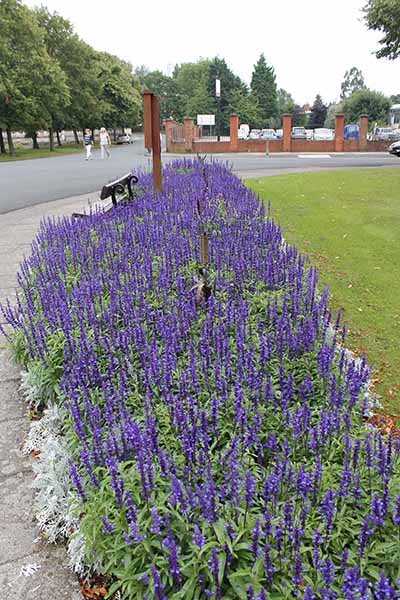
The village's gardens and open spaces are another major attraction. Port Sunlight was deliberately designed to be green, with lawns, mature trees and landscaped areas surrounding the houses. This was a considerable improvement on the grimy industrial environments of many Victorian towns.
Christ Church, built in memory of Lever's first wife Elizabeth, is one of the village's most impressive buildings, while the various community buildings demonstrate just how ambitious the original plan was.
Port Sunlight is best explored on foot. Guided tours are available and are worthwhile if you want to understand the architectural details and discover things you would probably miss wandering around by yourself.
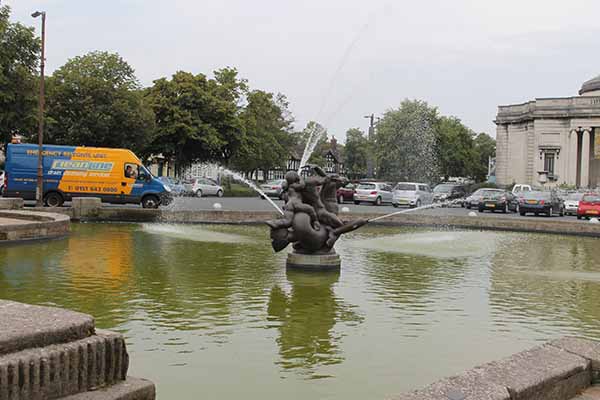 The most important thing to remember is that Port Sunlight isn't simply an open-air museum. It remains a living community, with people still occupying many of the houses. Modern cars parked outside historic cottages are therefore part of the scene.
There are a few things to moan about. It can become crowded, parking can require a little planning and the village itself isn't enormous. But combine the walk with the museum and Lady Lever Art Gallery and there is plenty to occupy several hours.
Old Moaner's verdict: Port Sunlight is a gem. It is attractive enough to appeal to anyone who simply enjoys beautiful old buildings, but fascinating enough to reward anyone interested in social or industrial history.
William Hesketh Lever could have built cheap housing beside his factory and left it at that. Instead, he created a carefully planned community with good homes, gardens, schools, churches, recreation and culture.
It wasn't perfect, and Lever's paternalism would probably raise a few eyebrows today, but for Victorian industrial workers it represented a remarkable improvement.
Come for the cottages, explore the gardens, visit the gallery and museum, and remember that beneath all that picturesque architecture lies the story of a soap manufacturer who helped change the way Britain thought about housing its workers.
And yes, somehow all this started with soap.
(prices quoted correct as at August 2026)
Return to North West home page
Return to Coast Siloth - Hoylake