
Rome
Rome is a city where you can turn a corner and find yourself standing in front of a building that is two thousand years old, while a scooter shoots past you and a waiter shouts at somebody to move their car. Rome is chaotic, noisy, occasionally frustrating and absolutely fascinating. It is also one of those cities where you could spend a week sightseeing and still only scratch the surface.
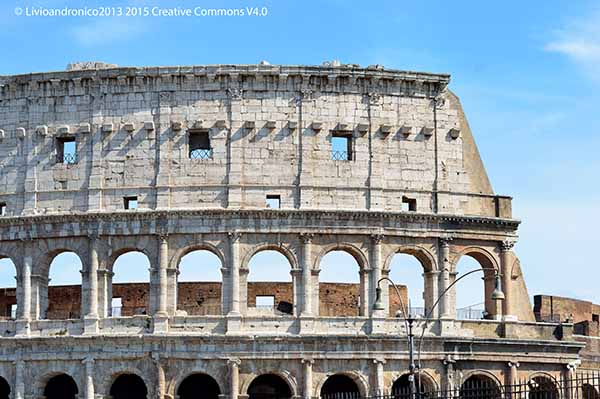 The obvious place to start is the Colosseum, and it is every bit as impressive as you expect. This enormous amphitheatre has survived earthquakes, neglect, stone robbers and centuries of people taking bits of it away, yet it still dominates the landscape.
 Standing inside and looking around the tiers, it is remarkably easy to imagine the crowds watching gladiators, wild animals and all the other spectacles that took place here. It is one of those sights where the history is so enormous that it can be difficult to take it all in.
Next door are the Roman Forum and Palatine Hill, and these are essential if you want to understand just how important Rome once was. The Forum was the political, religious and commercial heart of ancient Rome, and although much of it is now ruins, the remains of temples, basilicas, arches and government buildings give you a good idea of the scale of the place.
Palatine Hill is traditionally regarded as the birthplace of Rome and also provides some excellent views across the ruins.
Rome's ancient history doesn't stop there. The Pantheon is another extraordinary survivor, and one of the best-preserved buildings from ancient Rome. The enormous dome, with its famous opening in the roof, is still an architectural masterpiece. What makes it even more remarkable is that you can simply walk in and look around rather than having to peer at it through a fence.
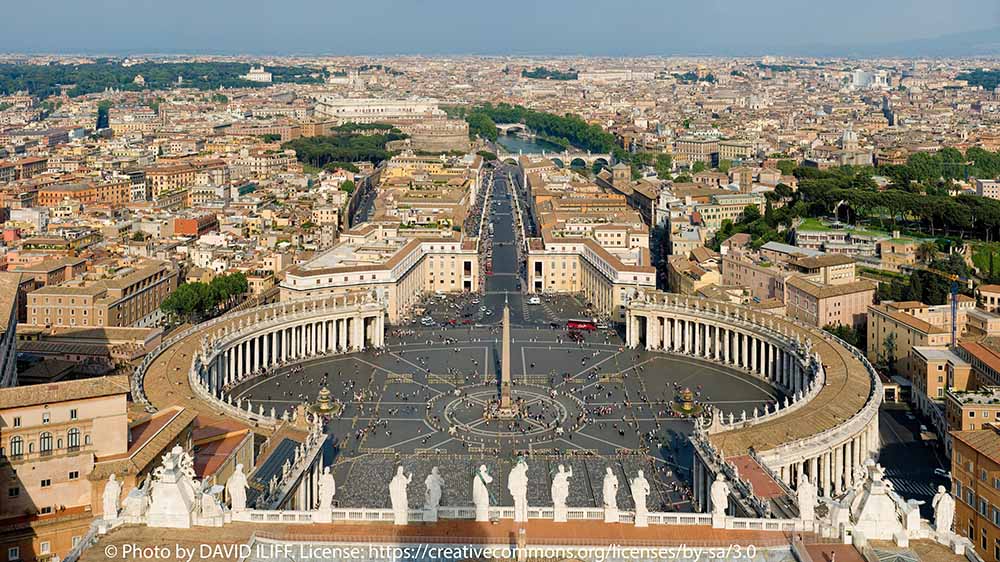 Then there is Vatican City, technically a separate country and the smallest independent state in the world. Whether you are religious or not, it is impossible not to be impressed by St Peter's Basilica. The scale of the building is enormous and the interior is packed with spectacular artwork. Michelangelo's Pietà is one of the highlights, although it is protected behind glass these days after being attacked by a vandal.
The Sistine Chapel is another of Rome's great attractions, with Michelangelo's ceiling being one of the most famous works of art in existence. Unfortunately, this is also where the reality of modern tourism hits you. It can be extremely crowded, and the experience of being herded through with hundreds of other visitors isn't exactly conducive to quiet contemplation. Nevertheless, seeing the ceiling in person is something you won't forget.
Back in central Rome, the Trevi Fountain is another essential stop. It is spectacular, particularly when illuminated at night, although the phrase "quietly admire the fountain" doesn't really apply during the busiest parts of the day. Thousands of visitors gather here to throw coins into the water, following the tradition that supposedly guarantees a return to Rome. Given the crowds, you may need to fight your way close enough to throw the coin in.
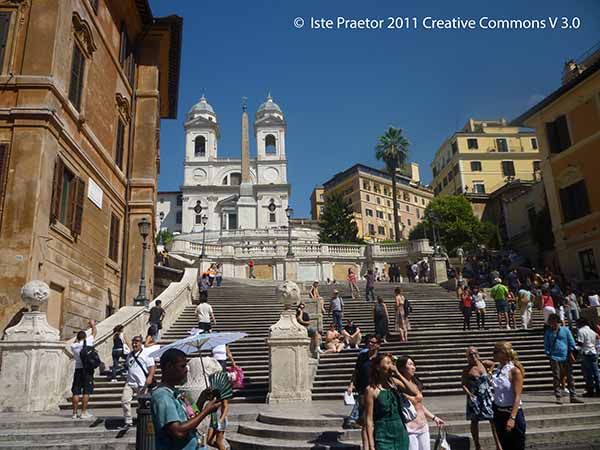 The Spanish Steps are another famous landmark, although I suspect many visitors wonder what exactly they are supposed to do once they've seen them. They are undeniably attractive and make an excellent backdrop for photographs, but the surrounding streets and squares are arguably more interesting. This is one of those places where the atmosphere is as important as the attraction itself.
One of the great pleasures of Rome is simply wandering around. Areas such as Trastevere have narrow streets, colourful buildings, restaurants and small squares that feel much more relaxed than the major tourist attractions. Rome is at its best when you stop following the guidebook for an hour or two and just see where the streets take you.
And then there is the food. Rome does not need Michelin-starred restaurants to impress. Carbonara, amatriciana, cacio e pepe and Roman-style pizza are all excellent reasons to sit down and eat. A simple plate of pasta in a small trattoria can be considerably more memorable than an expensive meal aimed entirely at tourists. And, of course, gelato is almost compulsory.
One thing you will quickly discover is that Rome isn't particularly good at keeping itself tidy. Parts of the city are scruffy, traffic can be ridiculous and the pavements aren't always in the best condition.
The driving can be entertaining in the same way that watching a near miss on a racetrack is entertaining. Scooters seem to regard traffic regulations as optional suggestions, and crossing some roads requires a degree of bravery.
Public transport is useful but not always the most pleasant part of the experience. The Metro is limited compared with some European capitals, while buses can be caught in Rome's notorious traffic. Fortunately, many of the major sights are close enough together to make walking the best option, provided you have comfortable shoes and don't mind crossing a few roads with your life flashing before your eyes.
Rome can also be exhausting. There is simply so much to see that it is tempting to try to cram everything into a couple of days. Don't. Give yourself time to sit in a piazza, have a coffee, eat some lunch and watch the world go by. Rome is not a city that should be treated as a checklist of attractions.
And despite the crowds, the queues and the occasional chaos, Rome remains one of Europe's great cities. There is simply nowhere else quite like it. Ancient history, Renaissance art, magnificent churches, wonderful food and everyday Italian life are all mixed together in one enormous, slightly untidy package.
Old Moaner verdict: Rome is noisy, crowded, expensive in places and occasionally infuriating. But it also has the Colosseum, the Forum, the Pantheon, the Vatican, the Trevi Fountain and enough history to keep you occupied for weeks. You may occasionally moan about Rome while you're there, but you'll probably be moaning while looking at something absolutely spectacular — and that's not a bad way to spend a holiday.
Return to Italy Home Page