
Santorini
There are some places in the world that are so beautiful that you can understand why millions of people want to visit them. Santorini is definitely one of those places. The problem is that millions of people do want to visit it, and unfortunately they all seem to want to be there at exactly the same time as you.
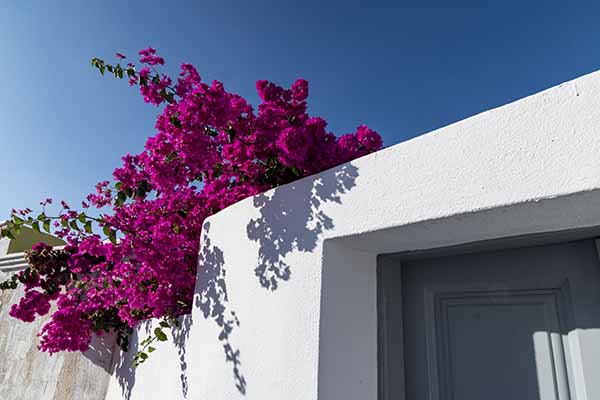 Santorini is, without doubt, one of the most spectacular islands in Greece. The famous whitewashed villages clinging to the cliffs, the blue-domed churches, the deep blue Aegean Sea and those magnificent sunsets all combine to produce the sort of scenery that looks almost too perfect to be real.
And then you notice the crowds.
Santorini has become one of those places where the photographs are considerably more relaxing than the actual experience.
The island is the remains of a huge volcanic eruption, and the enormous caldera created by that eruption is what gives Santorini its extraordinary appearance. The cliffs rise dramatically from the sea, with villages perched precariously along the top. It is genuinely spectacular, and even the most hardened Old Moaner has to admit that nature has done a magnificent job here.
Unfortunately, mankind has subsequently done its best to get in the way.
Getting Around
Santorini isn't a huge island, but getting around it during the busiest periods can be an exercise in patience.
There are buses, taxis, hire cars, quad bikes and organised excursions. The roads can become busy, particularly around Fira and Oia.
And then there are the cruise ships.
Cruise tourism is a major part of the Santorini experience and when several large ships arrive, the population of the island can increase dramatically during the day.
This is when the Old Moaner instinct really begins to kick in.
You can have spent a fortune travelling thousands of miles to experience the peace and tranquillity of a beautiful Greek island, only to discover that half of Europe has had precisely the same idea.
Fira
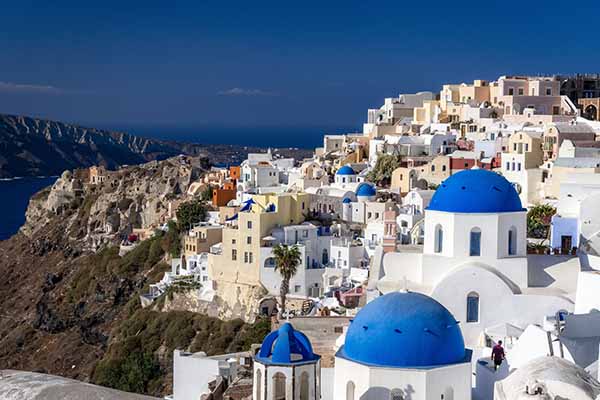 Fira is the capital of Santorini and sits high above the caldera. It is full of narrow lanes, little shops, restaurants, bars, hotels and the inevitable collection of people trying to take photographs while simultaneously preventing anybody else from getting past them.
The views are superb. There is no argument about that.
Walk along the cliff-top path and you get one breathtaking vista after another. White buildings tumble down the hillside towards the sea, churches appear around every corner and the volcanic islands sit dramatically in the middle of the caldera.
It is the sort of place where you find yourself stopping every few minutes to take another photograph.
Unfortunately, so does everybody else.
During the busiest periods Fira can become ridiculously crowded, particularly when cruise ships have arrived. Suddenly those delightful little lanes aren't quite so delightful when you're walking along them in a slow-moving human traffic jam.
And remember that all these lovely little streets are designed for people who lived here before mass tourism was invented, not for thousands of visitors armed with smartphones, selfie sticks and absolutely no awareness of anyone behind them.
Oia
If Fira is crowded, Oia can be something else altogether.
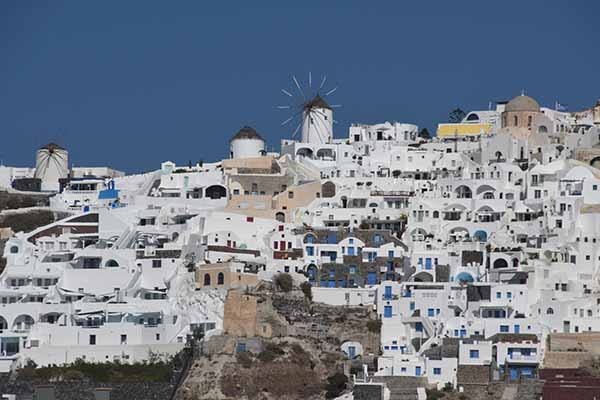 Oia, at the northern end of the island, is probably the image most people have in their heads when they think of Santorini. The white houses, blue domes, windmills and spectacular position above the caldera have made it one of the most photographed places in Greece.
It is undeniably beautiful.
It is also undeniably busy.
Oia is particularly famous for its sunsets, and every evening thousands of people gather to watch the sun disappear over the Aegean. This sounds wonderfully romantic until you realise that you are standing shoulder-to-shoulder with a large proportion of the island's population, all trying to find exactly the same patch of wall from which to take exactly the same photograph.
The sunset itself is lovely. The competition to see it is rather less so.
There is something faintly amusing about watching people arrive hours early to secure a position, only to spend the next couple of hours defending it from anybody who might possibly try to squeeze in front of them.
Once the sun has disappeared, everyone tries to leave at once.
Good luck with that.
The Caldera
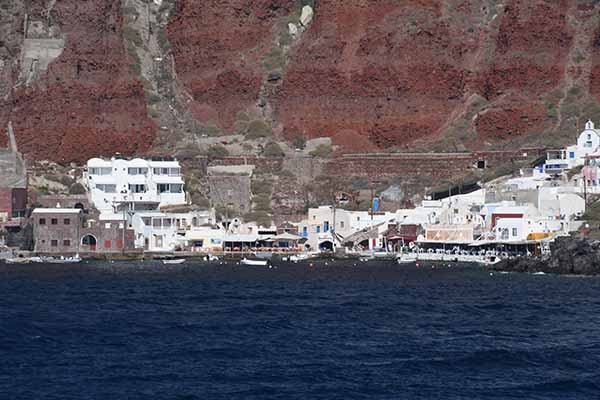 The caldera is the real star of Santorini.
Look out across it and you can see the volcanic islands sitting in the middle of the sea, while the cliffs of Santorini rise behind you. The colours, particularly in good weather, are extraordinary.
This is where Santorini earns its reputation.
Take a boat trip and you can appreciate the island from the water, which is arguably one of the best ways to see it. From below, the sheer cliffs become even more impressive and you get a much better appreciation of just how unusual the island actually is.
There are various boat trips available, including excursions around the volcanic islands and visits to hot springs.
Just don't expect to be alone.
The phrase "peaceful boat trip" has rather lost its meaning in Santorini.
The Villages
One of the pleasures of Santorini is wandering around some of the smaller villages away from the main tourist centres.
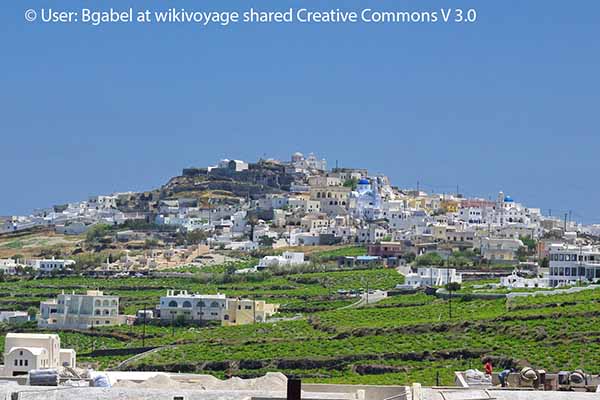 Places such as Pyrgos and Megalochori offer a somewhat more relaxed experience, with traditional houses, narrow lanes and considerably fewer people attempting to photograph themselves in front of something.
This is where you can begin to appreciate that Santorini is actually a Greek island rather than simply an enormous outdoor photography studio.
The architecture is fascinating. The famous whitewashed buildings weren't created purely for Instagram. The traditional design helped keep buildings cool in the fierce summer heat, while the distinctive cave houses were built into the volcanic rock.
Unfortunately, tourism has transformed much of the island, and in the most popular locations it can sometimes feel as though the traditional Santorini has been buried beneath luxury hotels, restaurants, shops and holiday rentals.
The Beaches
Santorini isn't really the place to come if your idea of the perfect Greek holiday is a huge expanse of golden sand.
The volcanic nature of the island means the beaches are rather different from those found on many other Greek islands.
Red Beach is probably the most famous, with its dramatic red volcanic cliffs providing a spectacular backdrop.
Then there is Perissa and Perivolos, with their dark volcanic sand and plenty of restaurants and beach facilities.
The black sand looks rather striking, although there is a slight drawback.
It gets very hot.
Walking across dark volcanic sand in the middle of a Greek summer is an excellent way of discovering just how quickly human feet can cook.
So, Is Santorini Worth Visiting?
Yes.
There, I've said it.
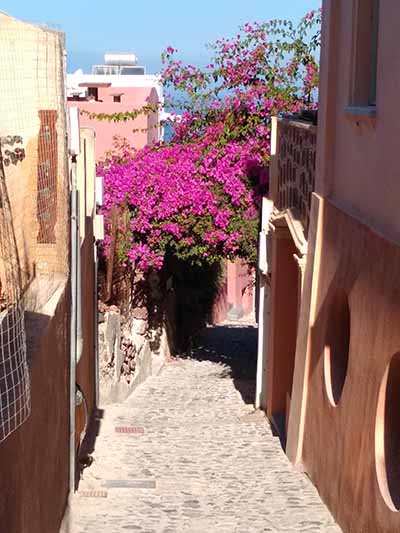 Despite the crowds, the cruise ships, the queues, the expensive restaurants, the tourists blocking narrow paths while taking photographs and the increasingly commercialised nature of the island, Santorini remains an extraordinary place.
The scenery is genuinely breathtaking.
But I would strongly recommend visiting outside the busiest periods if you possibly can. Early morning and later in the evening are much more pleasant, and getting away from Fira and Oia will allow you to discover a quieter and more authentic side of the island.
Santorini is rather like going to see a world-famous painting in a gallery only to discover that several thousand other people have turned up to look at it at exactly the same time.
You can still admire the painting.
You just have to do it while somebody's backpack is in your face.
And that, in a nutshell, is Santorini.
Beautiful? Absolutely.
Spectacular? Without question.
Worth seeing? Definitely.
Overcrowded? Good grief, yes.
Santorini is one of those places where you can simultaneously understand why everybody wants to go there and wish that everybody would stay at home.
And perhaps that is the ultimate compliment.
Because underneath all the tourism, the cruise ships, the selfie sticks and the crowds, there is still a magnificent volcanic island sitting
in the middle of the Aegean Sea.
Just try to find somewhere quiet enough to enjoy it.
Return to Greece Home Page