
Sardinia
Sardinia is one of those places where the photographs can almost make it look too good to be true. Turquoise water, white beaches, rugged mountains and little villages scattered across the landscape — and fortunately, much of it really is that beautiful. Sardinia is very different from mainland Italy and feels more like its own little world, with its own traditions, food and rather laid-back way of life.
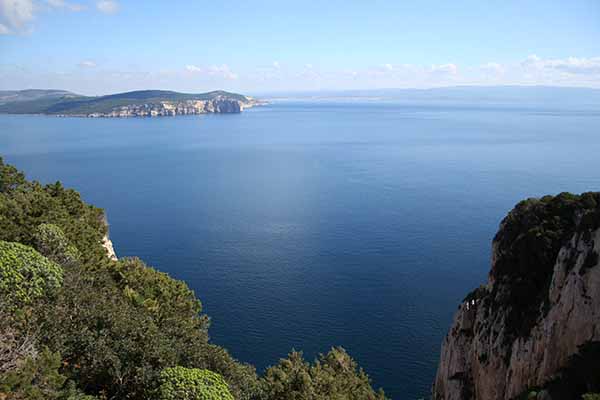 The obvious attraction is the coastline, and Sardinia has some spectacular beaches. The Costa Smeralda in the north is probably the most famous, and also the most expensive. This is where the wealthy come to play, with luxury hotels, enormous yachts and designer boutiques around places such as Porto Cervo. It is undeniably attractive, although whether it is worth paying a small fortune to sit on a beach that you can find for considerably less elsewhere is another matter.
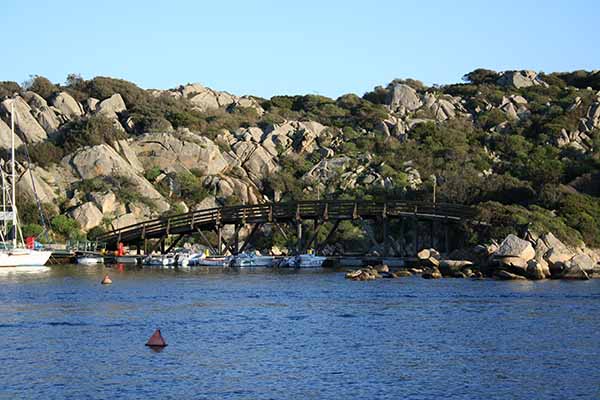
For me, the real pleasure of Sardinia is getting away from the glitz. There are countless beautiful beaches around the island, many with wonderfully clear water and far fewer people. Some are backed by pine forests, others by dramatic cliffs, and several look as though somebody has deliberately designed them for a holiday brochure.
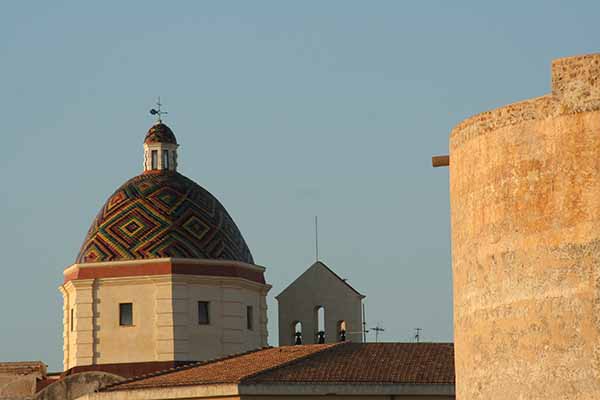 The island's capital, Cagliari, is well worth visiting. It is a proper working city rather than simply a tourist resort, and the old quarter is particularly attractive. The Castello district sits high above the city and provides excellent views across Cagliari and the surrounding coastline. There are narrow streets, old buildings, churches and plenty of places to stop for a coffee or something stronger.
One of Sardinia's most interesting features is its ancient nuraghi. These strange stone towers are found all over the island and date back thousands of years to the Nuragic civilisation. The best known is Su Nuraxi at Barumini, a remarkable complex of stone towers and defensive structures. You don't need to be a history fanatic to appreciate these places because they are unlike anything you are likely to see elsewhere in Italy.
Sardinia also has some lovely towns. Alghero, on the northwest coast, is one of my favourites, with its old fortified centre, cobbled streets and waterfront. It has a distinctly Catalan influence, which dates back to the period when the area was under Aragonese control. Even the local language and some of the street signs reflect this unusual connection.
Further north, Castelsardo is another attractive town, dramatically positioned on a rocky promontory beneath its medieval castle. It is the sort of place where you can spend an afternoon wandering around the old streets before finding a restaurant overlooking the sea.
 For scenery, Sardinia is difficult to beat. The interior of the island is mountainous and surprisingly wild, particularly around the Gennargentu range. This is a very different Sardinia from the luxury resorts of the coast, with forests, rugged valleys, small villages and traditional farming communities. If you hire a car, getting away from the main tourist routes is one of the best things you can do.
The food is another good reason to visit. Sardinian cuisine is rather different from what you might expect from mainland Italy. Porceddu, suckling pig slowly roasted with herbs, is one of the island's specialities, while culurgiones are delicious pasta parcels traditionally filled with potato, cheese and mint. There is also pane carasau, the wonderfully thin and crisp Sardinian flatbread that seems to accompany everything.
And then there is the cheese. Sardinia is famous for pecorino, made from sheep's milk, and there are numerous varieties. If you are adventurous, you may encounter casu marzu, the infamous Sardinian cheese containing live insect larvae. Personally, I think there are some things in life that are better left unexplored!
Sardinia is also a superb destination for driving. The roads take you through some spectacular scenery and, once you get away from the main resorts, you can find remarkably quiet stretches of coastline and countryside. It is one of those islands where having a car allows you to discover considerably more than you would from a resort.
 The main downside is that Sardinia can be very expensive in the height of summer, particularly around the Costa Smeralda. Accommodation and restaurants can become painfully expensive, while beaches that look deserted in photographs can be extremely busy in July and August. Visit outside the peak season if you can and you will generally get a much more enjoyable experience.
Sardinia isn't somewhere I'd visit simply to spend two weeks sitting beside a hotel pool. The island deserves to be explored. Drive along the coast, visit the ancient nuraghi, wander through the old towns, stop at beaches that catch your eye and eat as much local food as possible.
Old Moaner verdict: Sardinia is beautiful, but thankfully it is much more than a collection of expensive beach resorts. The coastline is spectacular, the interior is rugged and surprisingly wild, the history is fascinating and the food is excellent. Avoid the worst of the summer crowds and prices and Sardinia can be one of Italy's real gems.
Return to Italy Home Page