
Shetland
There are places that are a long way from everywhere, and then there is Shetland.
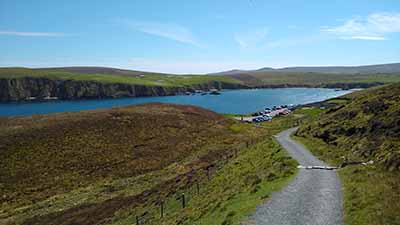 Sitting way up in the North Atlantic, closer to Norway than Edinburgh, Shetland is about as far north as you can get in Britain without getting your feet wet. And even getting there involves a certain amount of commitment. You don't simply nip up to Shetland for the afternoon. You either fly or spend several hours on a ferry wondering whether the North Sea is going to be your friend.
But that remoteness is precisely what makes Shetland so special.
This is a wild, windswept collection of islands where the sea is never far away, the scenery is spectacular and wildlife seems to have taken over. If you like your holidays surrounded by concrete, traffic and people taking photographs of their lunch, you may struggle here.
If you like cliffs, beaches, birds, otters, seals and enormous skies, you'll probably love it.
Getting There
The ferry is the most popular way to bring your car, motorhome or bike to Shetland.
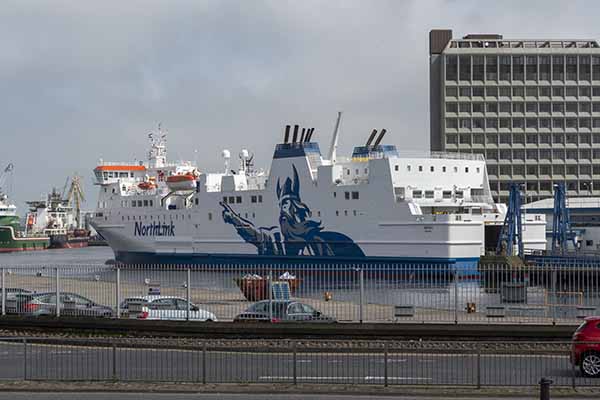 NorthLink Ferries operates the Aberdeen to Shetland ferry year-round, seven nights a week in both directions. The direct crossing from Aberdeen to Lerwick takes around 12 hours; if your sailing calls in at Kirkwall en route, allow around 14 to 15 hours. Note that during annual maintenance periods in January, February and March, ships may operate to an amended timetable. Check the NorthLink website for the latest schedule.
You can fly to Shetland with daily flights from multiple Scottish airports, there are seasonal bi-weekly flights from London and Bergen in the summer period.
Getting Around
Can you get around Shetland without a car?
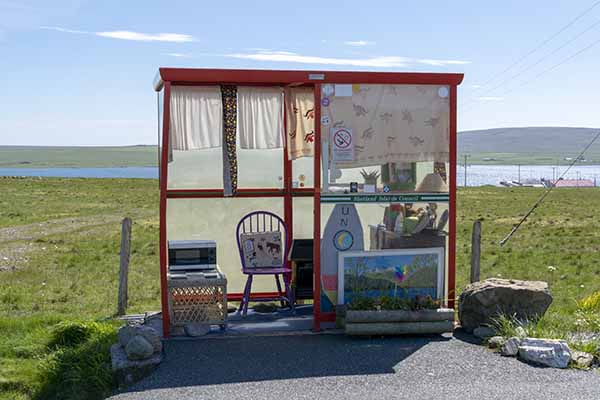 Well yes you can but it will take some careful planning. . The public bus network connects Lerwick to major areas on the Mainland and neighboring islands like Yell and Unst, supplemented by council-run foot-passenger ferries and local taxis, though rural services run infrequently.
 If you do go by bus you will find some very enchanting bus stops.
However to fully appreciate the islands you really do need a car, either bringing your own over on the ferry or hire one when you arrive.
Driving is a delight, traffic jams almost non-existent and you cannot really get lost. The only extra work you have to do is checking ferry times when travelling between islands.
The Puffins
 Let's get this out of the way first.
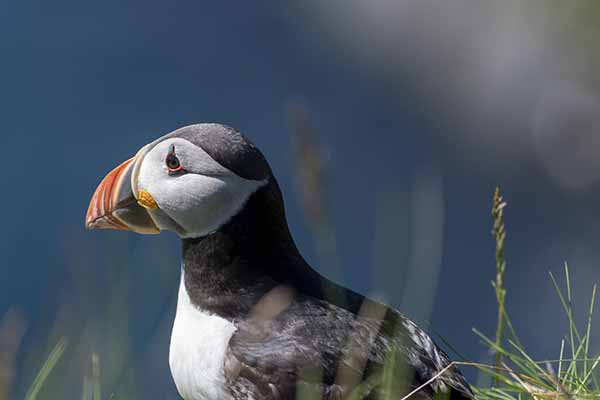
Shetland has puffins. Lots of them.
Known locally as Tammie Norries, these wonderfully ridiculous little birds return to Shetland's cliffs every spring to breed. They arrive from a winter spent far out at sea and, from around April until August, the cliffs become their summer home.
And what a sight they are.
Puffins look as though somebody designed a bird after having a particularly good evening in the pub. Black and white bodies, orange legs, enormous colourful beaks and an expression suggesting that they've just remembered they left the oven on.
They are also surprisingly entertaining. Watch them landing and you'll understand why. Flying is clearly their speciality; landing is something they regard as an occasional inconvenience.
One of the best places to see them is Sumburgh Head, where they nest in burrows in the grassy cliffs. You can get remarkably close without having to undertake an expedition worthy of Sir Ernest Shackleton.
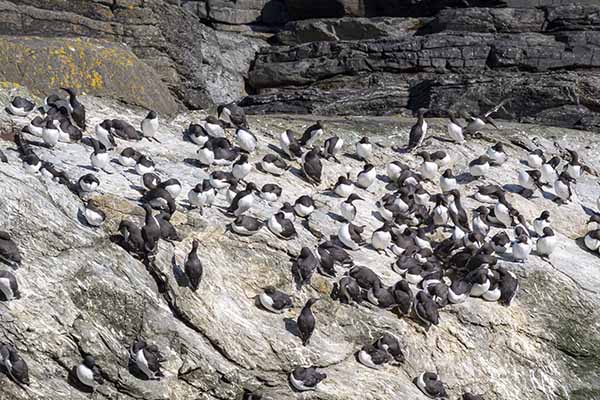 Further north, Hermaness on Unst offers something even more spectacular. Here thousands of seabirds occupy the cliffs, including huge numbers of puffins, while gannets plunge into the sea and great skuas – known locally as bonxies – patrol overhead looking for something to steal.
One word of warning, though. Those puffins are nesting in burrows, so don't sit on one, stand on one or generally behave as though you've been invited to move in. They may look friendly but they've got a family to bring up.
And remember that puffins are only on land for part of the year. By mid-August most have departed for the open sea, where they'll spend the next seven or eight months.
And It's Not Just Puffins
Shetland is one of Britain's great wildlife destinations.
During summer around a million seabirds return to the islands. You'll find guillemots, razorbills, fulmars, kittiwakes, shags, gannets and Arctic terns packed onto the cliffs and surrounding waters.
The noise is extraordinary.
From a distance a seabird colony looks peaceful enough. Get closer and it becomes apparent that several thousand birds have decided to hold a very loud family argument simultaneously.
And then there are the mammals.
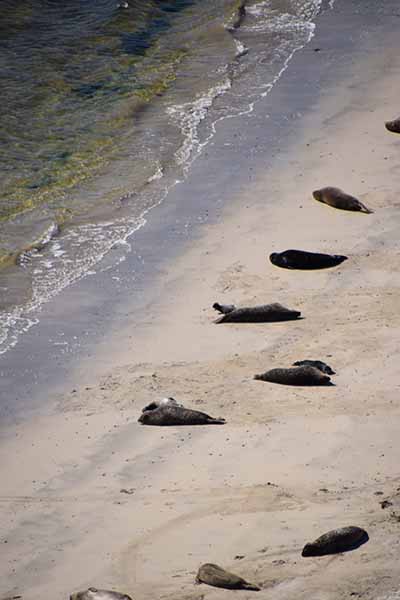 Otters can be found around the voes and inlets and, if you're patient and lucky, you may spot whales, dolphins or even orcas offshore.
 Orcas can be seen throughout the year but sightings are particularly good between spring and early autumn.
Seals are also common, and you don't need to be a dedicated wildlife enthusiast to appreciate watching one of them lounging around on a rock looking as though it has absolutely nothing whatsoever to do.
There are also Shetland ponies, of course. Small, hardy and considerably more sensible-looking than the average tourist, they have adapted rather well to the islands' harsh conditions.
The Scenery
If wildlife isn't your thing, Shetland has another rather useful attraction.
It's beautiful.
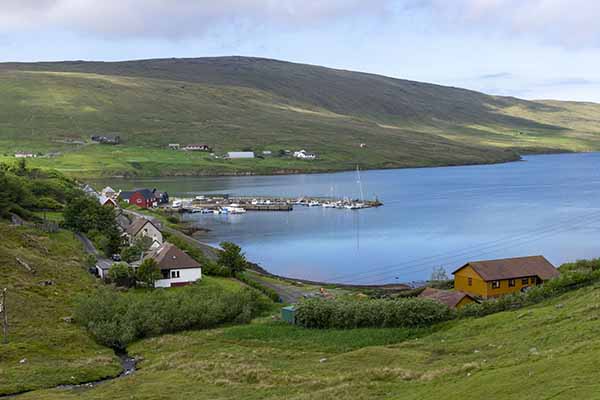 The coastline is a mixture of dramatic cliffs, sheltered bays, beaches, sea stacks and enormous expanses of open moorland. There is a feeling of space that you simply don't get in most of Britain.
You can drive along a road, turn a corner and suddenly find yourself looking at a view that makes you wonder why there isn't a queue of coaches parked beside it.
There probably isn't a queue because Shetland is a long way from anywhere.
And that's the point.
This isn't the sort of place where you have to fight your way through thousands of people to get the perfect photograph. Sometimes the only other person around is several miles away, and quite possibly a sheep.
Muckle Flugga
Now we come to Muckle Flugga.
I have absolutely no intention of pretending that I can discuss this place objectively because, frankly, anyone who doesn't enjoy saying "Muckle Flugga" out loud is missing an opportunity.
Muckle Flugga is a group of rocky stacks just off the northern tip of Unst and is overlooked by the dramatic cliffs of Hermaness. The lighthouse perched on the rocks makes the whole scene look rather like somebody has designed the ultimate end-of-the-world postcard.
It is also, depending upon exactly how you define such things, Britain's most northerly point.
But forget all that.
It's called Muckle Flugga.
Fantastic name.
And if you're going to have somewhere called Muckle Flugga, you really ought to visit it.
The Light
One of the strangest things about Shetland is the light.
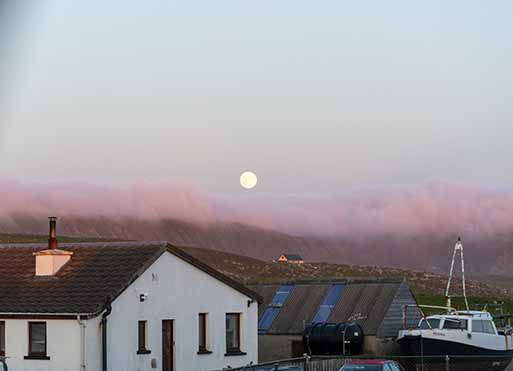 In summer, the days are extraordinarily long. At midsummer the sun never really disappears, with a lingering twilight known locally as da simmer dim.
This means that at a time when the rest of us are drawing the curtains and wondering whether it's too early for bed, Shetland can still look as though somebody has left the outside light on.
It's wonderful for wildlife watching and photography and makes you feel that you've somehow acquired several extra hours in every day.
The photograph in this section was taken at 23:00 in June.
Winter is rather different.
The days become very short and the islands can feel like a completely different world. The weather can be harsh, the wind can be impressive and daylight becomes something you appreciate rather more than you normally would.
But that's part of Shetland's character. It isn't a destination that has been manufactured to make life easy for tourists.
It is what it is.
Up Helly Aa
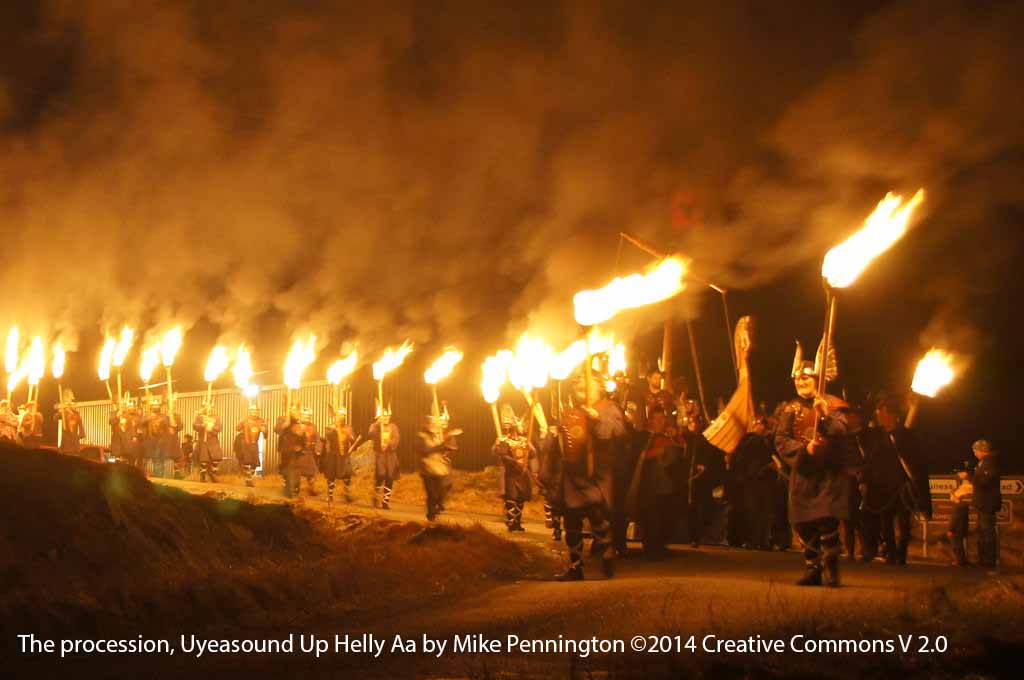 And then there is Up Helly Aa, which is probably the best example of Shetland deciding that ordinary celebrations simply aren't quite enough.
Held in Lerwick on the last Tuesday of January, Up Helly Aa is a spectacular Viking-themed fire festival and one of the most famous events in the Shetland calendar.
It begins with the Guizer Jarl – the leader of the festival – and his squad of around 1,000 costumed participants marching through Lerwick carrying flaming torches. Eventually they reach a replica Viking longship, which is promptly set on fire.
Because apparently a winter festival needs a burning Viking boat.
The whole thing has its roots in Shetland's Norse heritage and has been developing into its modern form since the 19th century. There are also plenty of parties afterwards, with squads visiting halls around Lerwick and carrying on the celebrations well into the night.
And this is where Shetland's winter darkness suddenly becomes rather useful.
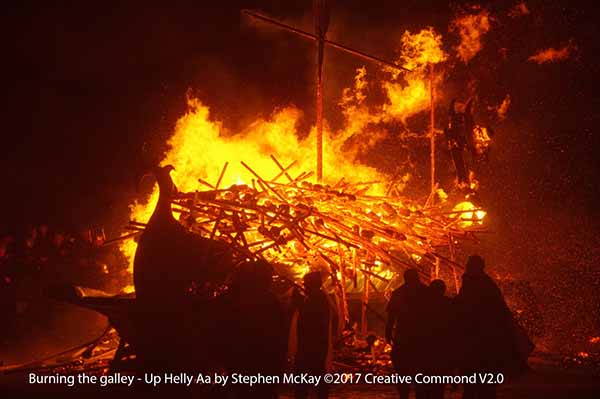 In January, the nights are long, the temperatures can be decidedly unpleasant and daylight is in short supply. So what better way of brightening things up than several hundred people walking through the streets carrying flaming torches?
It is noisy, spectacular and completely bonkers.
In other words, it's absolutely perfect.
There are actually several Up Helly Aa celebrations around Shetland, not just the famous Lerwick event, so if you're visiting during the festival season you may encounter slightly different versions of the tradition elsewhere on the islands.
Just don't expect a quiet January break.
Shetland has apparently decided that if you're going to be cold and it's going to be dark, you might as well set fire to a boat.
Lerwick
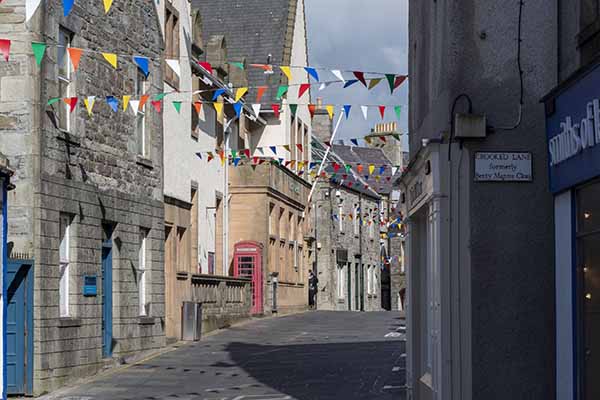 The main town, Lerwick, is where most visitors will start their Shetland adventure.
It's a pleasant little town with attractive stone buildings, narrow streets, a harbour and plenty of evidence that this is a community that has spent centuries living alongside the sea.
It's worth exploring, but don't make the mistake of thinking that Lerwick is Shetland.
Lerwick is the gateway.
The real adventure begins when you head out into the islands.
And there are plenty of islands to explore. Mainland is the largest, but there are ferries and connections to places including Yell, Unst, Fetlar and Bressay, while Fair Isle and Foula provide even more reasons for people who like their destinations remote to become very excited indeed.
So Should You Go?
Yes.
But Shetland isn't for everybody.
If your idea of a holiday involves a sandy beach, guaranteed sunshine and a hotel where you can spend two weeks without knowing which country you're in, I'd probably look elsewhere.
Shetland has wind.
It has rain.
It can be cold.
The sea can be decidedly enthusiastic.
And getting around takes time.
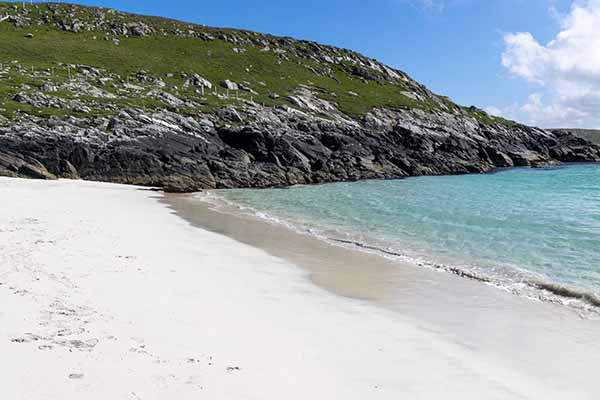 But if you want somewhere genuinely different, somewhere with extraordinary scenery and wildlife, somewhere where you can stand on a cliff surrounded by thousands of seabirds and look out over an almost empty ocean, Shetland is difficult to beat.
And if you visit between April and August, make time for the puffins.
Actually, make lots of time for the puffins.
Sit quietly on a cliff and watch them going about their business. Watch them flying in with beaks full of sand eels. Watch them disappear into their burrows. Listen to the noise of the colony and the sea crashing below.
You may discover, as many people have, that you can spend a surprisingly long time watching a small bird doing very little and still not want to leave.
That's Shetland.
Wild, remote, occasionally inhospitable and absolutely fascinating.
And somewhere that has the good sense to have a place called Muckle Flugga.
What's not to like?
(prices quoted correct as at August 2026)
Return to UK Islands Home Page