
Venice
Venice is one of those places that seems almost impossible to believe is real. A city built on water, with canals instead of roads, boats instead of buses and magnificent buildings seemingly rising straight out of the lagoon. It is spectacular, unique and utterly unlike anywhere else. It is also crowded, expensive and, at times, almost unbearably busy. Venice is therefore a city that can leave you wondering whether you absolutely love it or whether you need to get out before you lose your patience.
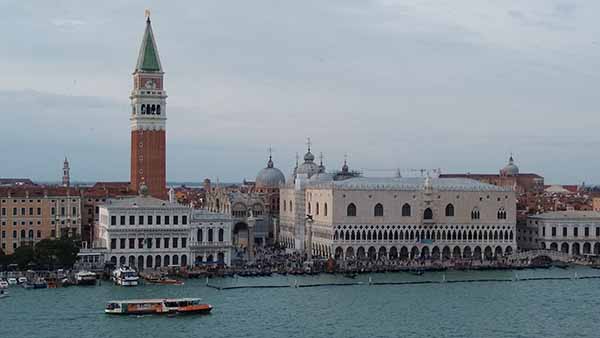 The obvious place to start is St Mark's Square, and this is one of the most impressive urban spaces in Europe.
 The square is surrounded by some extraordinary buildings, including St Mark's Basilica, the Doge's Palace and the famous Campanile. The Basilica is particularly spectacular, with its domes, mosaics and Byzantine influences making it look completely different from most Italian churches.
Next door is the Doge's Palace, once the centre of Venetian government and the home of the Doge. Inside you will find enormous rooms, elaborate decorations and some wonderful works of art. One of the most memorable features is the Bridge of Sighs, which connects the palace to the old prison. The romantic story surrounding the bridge is rather more attractive than its actual purpose — prisoners crossed it on their way to their cells, supposedly taking their last look at Venice through the tiny windows.
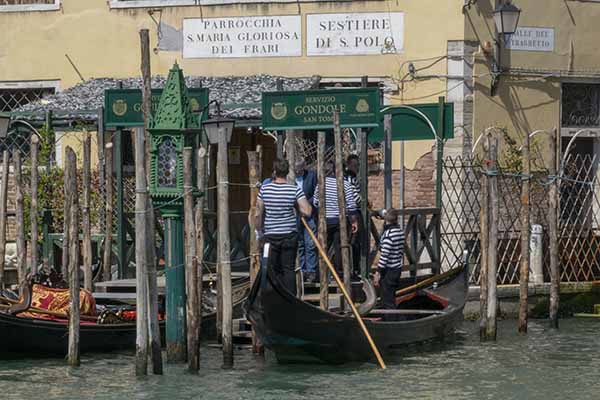 Then, of course, there are the gondolas. You haven't really been to Venice until you've watched a gondolier expertly manoeuvre one of these elegant black boats through a narrow canal. Whether you actually want to pay the rather substantial price for a ride is another matter. It is undeniably romantic, but Venice has become very good at charging tourists for romance.
Personally, I think the best way to experience Venice is actually to walk. Forget the map occasionally and simply wander through the maze of narrow streets, bridges and tiny squares. You will inevitably get lost, but that's part of the fun. Every few minutes there seems to be another beautiful canal, old building or unexpected little piazza.
The Grand Canal is the main artery of the city and is lined with some spectacular palaces.
Taking a vaporetto along it is an excellent way of seeing Venice from the water without paying gondola prices. It also gives you a much better idea of how extraordinary the city is. These grand buildings were constructed by wealthy Venetian families who clearly weren't short of either money or ambition.
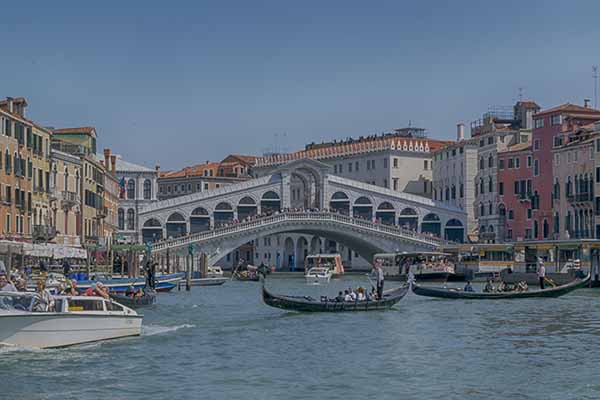 The Rialto Bridge is another Venice landmark and one of the busiest places in the city. The bridge itself is attractive, but the surrounding Rialto Market gives you a better glimpse of everyday Venetian life. Away from the immediate tourist crowds you can find restaurants, cafés and small shops where Venice feels considerably more normal.
And normal is something you should actively seek out. Venice's historic centre is small enough that the main tourist routes can become incredibly congested. St Mark's Square and the Rialto area can feel like a theme park during peak periods, particularly when cruise passengers descend on the city. Walk ten or fifteen minutes away from the main sights and the atmosphere can change completely.
There are several islands worth visiting as well. Murano is famous for its glassmaking, while Burano is renowned for its brightly coloured houses and traditional lace. Torcello is quieter and has a much more rural feel, providing a useful escape from the crowds of Venice itself.
One of the problems with Venice is that it can sometimes feel as though the entire city exists for tourists. Prices in the centre can be eye-watering, particularly for food and drinks around St Mark's Square. A coffee in the wrong place can cost you considerably more than expected, so check the prices before sitting down. Venice isn't short of tourist traps.
The city also has the slightly awkward problem of acqua alta, when high tides and weather conditions can cause flooding in low-lying parts of Venice. Watching people wade through St Mark's Square wearing waterproof boots is certainly memorable, although perhaps not the romantic Venetian experience they had planned.
 Venice is also fighting the effects of enormous visitor numbers. The city is fragile, and the sheer volume of tourists puts considerable pressure on its historic centre. If you can visit outside the busiest periods, you will get a much better experience and will also see a more authentic side of Venice.
Food is another reason to explore beyond the obvious tourist streets. Venetian cuisine includes sarde in saor, seafood dishes, creamy risotto and the small snacks known as cicchetti, which are rather like Venetian tapas. Finding a little bacaro serving cicchetti and a glass of wine is far more enjoyable than sitting in an expensive restaurant overlooking St Mark's Square.
Venice is not somewhere I'd recommend rushing around in a day. You can see the major sights, but you won't really experience the city. Stay overnight if possible and go for an early morning or late evening walk when the day-trippers have disappeared. Venice becomes an entirely different place when the streets are quiet and the canals are reflecting the lights.
There is no denying that Venice has its problems. It is expensive, overcrowded, touristy and occasionally smells rather less pleasant than the travel brochures would have you believe. But then you turn a corner, cross a tiny bridge and find yourself looking down a deserted canal with an ancient palace reflected in the water. At moments like that, you remember exactly why people keep coming back.
Old Moaner verdict: Venice is ridiculously expensive and far too crowded, but it is also one of the most extraordinary cities on the planet. Don't spend your entire visit following the crowds between St Mark's and the Rialto Bridge. Get lost, explore the quieter districts, visit the islands and stay after the day-trippers have gone. You may moan about Venice — probably several times — but you'll still be taking photographs every five minutes.
Return to Italy Home Page