
Western Isles
The Isle of Rum – Small, Wild and Wonderful
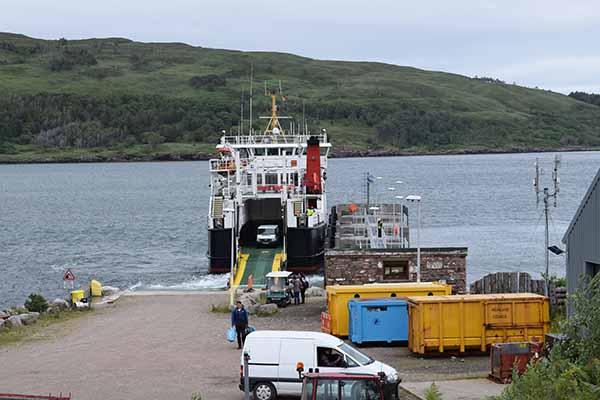 If you're looking for somewhere in Scotland where you can genuinely escape the crowds, the Isle of Rum should be high on the list. Sitting off the west coast, between the mainland and the islands of Eigg and Canna, Rum is small, rugged and gloriously wild.
There is only one real settlement, Kinloch, clustered around the head of the sea loch, and even that is more village than town. Don't come here expecting shops, nightlife or a choice of restaurants – Rum is about the landscape, wildlife and sheer remoteness.
And what a landscape it is.
The island is dominated by the spectacular Rum Cuillin, a group of dramatic mountains rising sharply from the surrounding countryside. The contrast between the jagged peaks, open moorland and the sea makes Rum one of the most striking of Scotland's smaller islands.
Wildlife is another major attraction. Rum is particularly famous for its red deer, while golden eagles and white-tailed sea eagles patrol the skies. The surrounding waters are home to seals, dolphins and porpoises, and the island is also an important breeding ground for seabirds.
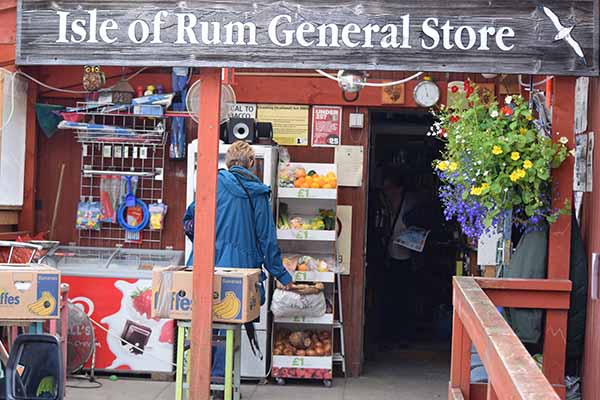 But perhaps Rum's greatest attraction is that there simply isn't much there.
And I mean that as a compliment.
You come to walk, watch wildlife, enjoy the scenery and get away from the frantic pace of modern life. There are no crowds of coaches, no chain shops and no endless queue of tourists waiting to take the same photograph.
Getting there is part of the adventure, usually involving a ferry from Mallaig, and you need to plan carefully because island transport is not exactly London Underground frequent.
But that's the point.
The Isle of Skye – Scotland's Dramatic Showpiece
There are some places that become famous for very good reasons, and the Isle of Skye is certainly one of them. Dramatic mountains, rugged coastline, mysterious rock formations, waterfalls, castles, tiny villages and some of the most spectacular scenery in Britain make Skye an absolute star of the Scottish islands.
Unfortunately, the secret has been out for some time.
Skye is now firmly on the tourist trail, and during the summer months some of its most famous sights can become decidedly busy. But don't let that put you off. Get away from the worst of the crowds and Skye remains a magnificent island, and one that deserves considerably more than a quick day trip.
Getting There
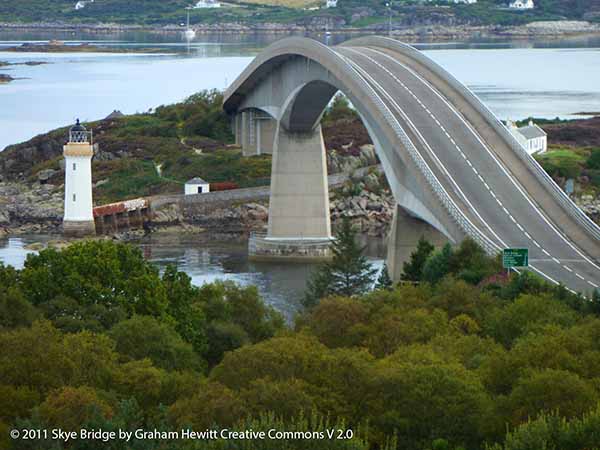 Skye is unusual among the Scottish islands in that you don't necessarily need a ferry to reach it. The Skye Bridge connects the island to the mainland, making it remarkably accessible compared with some of its neighbours.
The drive across the bridge and into Skye is an appropriate introduction to what lies ahead.
Almost immediately the landscape becomes more rugged, with mountains appearing in the distance and the sea never seeming very far away.
Alternatively, you can arrive by ferry from Mallaig to Armadale, which is a much more atmospheric way to approach the island.
Watching the mainland disappear behind you as Skye gets closer is part of the fun.
Portree
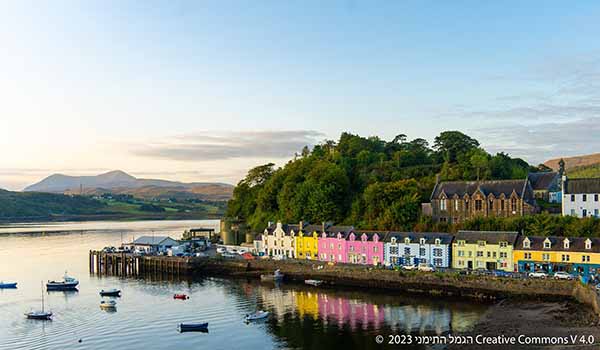 The island's principal settlement is Portree, a pretty little harbour town built around a sheltered bay.
Its brightly coloured waterfront houses have become one of the classic photographs of Skye, and the town makes a good base for exploring the island. There are shops, cafés, restaurants and accommodation, although in the height of summer it can become remarkably busy for somewhere that feels, at first glance, like a very small fishing village.
Portree is also a useful place to stock up on supplies.
Do so.
Once you're out exploring the island, don't assume another supermarket will conveniently appear around the next corner.
The Old Man of Storr
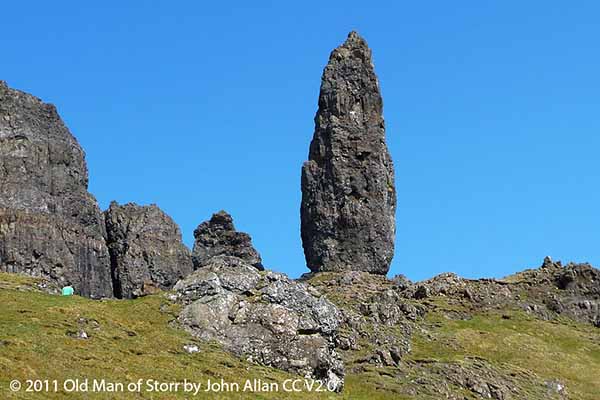 The Old Man of Storr is probably Skye's most recognisable landmark.
The enormous rock pinnacles rise dramatically from the Trotternish Ridge and provide one of those landscapes that looks almost too spectacular to be real.
It is an extremely popular walking destination, however, and this is where Skye's success can become its own worst enemy. Car parks fill up, coaches arrive and paths can become crowded.
If you can visit early or later in the day, do it.
The landscape is still magnificent even if you have to share it with a few hundred other people.
The Quiraing
Further north is the Quiraing, another extraordinary geological landscape created by ancient landslides.
Here, cliffs, pinnacles, valleys and bizarre rock formations combine to create scenery that looks more like a fantasy film set than Scotland.
The walking route around the Quiraing is one of Skye's great experiences, although once again you need sensible footwear and a reasonable degree of fitness.
Fairy Pools
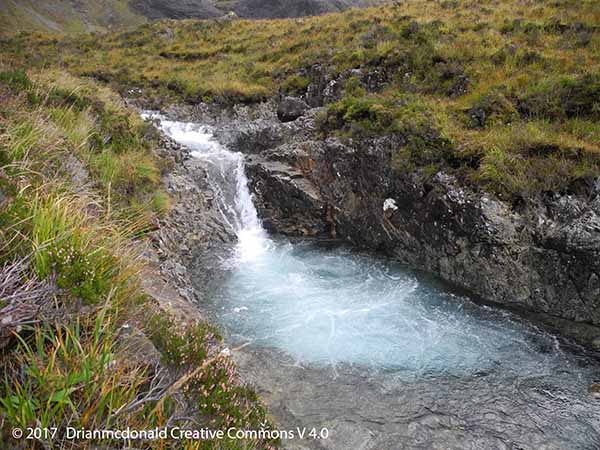 Then there are the Fairy Pools.
A series of crystal-clear pools and waterfalls on the River Brittle have become one of Skye's most photographed attractions.
They are undeniably beautiful, but they also demonstrate the problems created by Skye's popularity. A place that once felt like a secret corner of the island can now be extremely busy during peak periods.
Still, if you arrive at a quieter time, the pools and surrounding mountains make for a lovely walk.
And yes, people do swim in them.
I wouldn't.
I'm perfectly happy to admire Scottish water without actually getting into it.
Dunvegan Castle
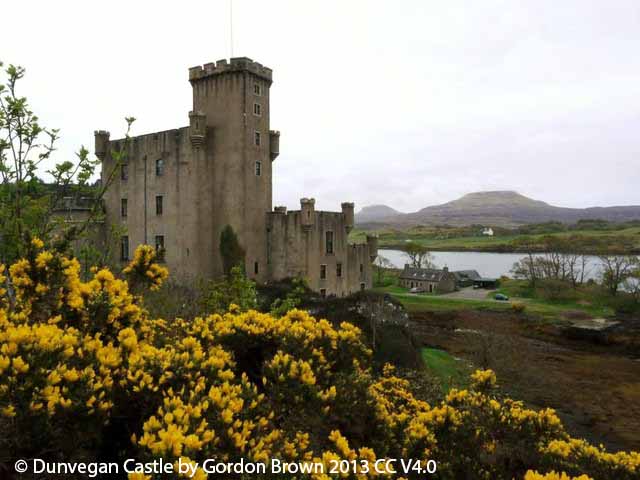 Skye isn't all mountains and rocks.
Near Dunvegan is Dunvegan Castle, the ancestral home of the chiefs of Clan MacLeod and one of the island's most important historic attractions.
The castle has been associated with the MacLeods for centuries and contains a fascinating collection of family treasures and historical objects. The gardens are also well worth exploring.
The setting beside the sea adds considerably to its appeal.
(prices quoted correct as at August 2026)
Return to Islands home page