
Cotswolds
If ever there was a part of England designed to appear on a box of chocolates, it is the Cotswolds. Rolling green hills, dry-stone walls, honey-coloured cottages, ancient churches, winding lanes and villages that look as though they have been deliberately arranged by a particularly fussy set designer. It is undeniably beautiful — sometimes almost ridiculously so — and there is a very good reason why the Cotswolds has become one of England's best-known tourist destinations.
Stretching across parts of Gloucestershire, Oxfordshire, Wiltshire, Somerset and Worcestershire, the Cotswolds is a huge area rather than a single destination. Much of it is protected as an Area of Outstanding Natural Beauty, and while the scenery is the main attraction, the villages, gardens, historic houses, churches, pubs and walking routes provide more than enough to keep visitors occupied.
The Cotswolds is at its best when explored slowly. Forget racing from one village to another, ticking them off like railway stations. Take the back roads, stop when somewhere looks interesting and accept that you will probably spend rather more time admiring cottages than you originally intended.
Bourton-on-the-Water
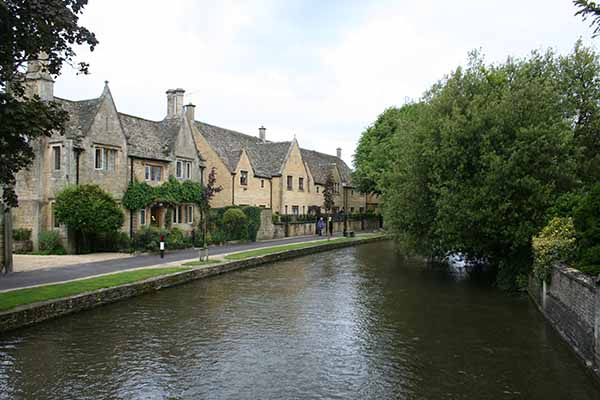 If you only have time for one Cotswold village, Bourton-on-the-Water is probably the obvious choice — although this also means that everyone else has had exactly the same idea.
Known as the "Venice of the Cotswolds", Bourton is built around the River Windrush, which flows gently through the centre beneath a series of small stone bridges. The river, ducks, trees and honey-coloured buildings make it one of the most photogenic places in the region.
There is plenty to see here. The village has shops, cafés, pubs and attractions, although on a busy summer day the sheer number of visitors can take some of the quaintness away. Nevertheless, wander away from the busiest section and Bourton still manages to deliver that classic Cotswold experience.
One of the more unusual attractions is the Model Village, a remarkably detailed miniature version of Bourton itself. It was created at a scale of one-ninth and even includes a model of the Model Village — a miniature village containing a miniature model of the village containing a miniature model... you get the idea.
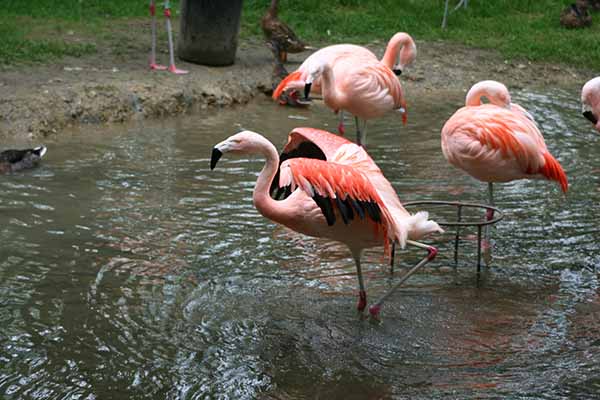 Then there is Birdland, just outside the village centre. This is far more than a collection of birds in cages and is particularly good for families. Set in landscaped grounds, it is home to a wide variety of birds, including flamingos, penguins, owls, pelicans and numerous other species. The penguin enclosure is one of the highlights, while the combination of woodland, gardens and wildlife makes Birdland a pleasant place to spend several hours.
Opening Times: - April to October: 10:00 – 17:00 (Last entry at 16:00). November to March: 10:00 – 16:00 (Last entry at 15:00).
Admission Costs:- Adults (16+): £14.95, Senior Citizens (60+) & Students: £13.95, Children (3–15 years): £11.50, Under 3s: Free
Bourton also has a couple of attractions that appeal to those who enjoy things slightly less twee, including the Cotswold Motoring Museum, packed with vintage cars and motoring memorabilia.
In other words, Bourton can easily fill most of a day — assuming you can find somewhere to park.
Bibury
If Bourton is the Cotswolds' most popular village, Bibury is arguably its most photographed.
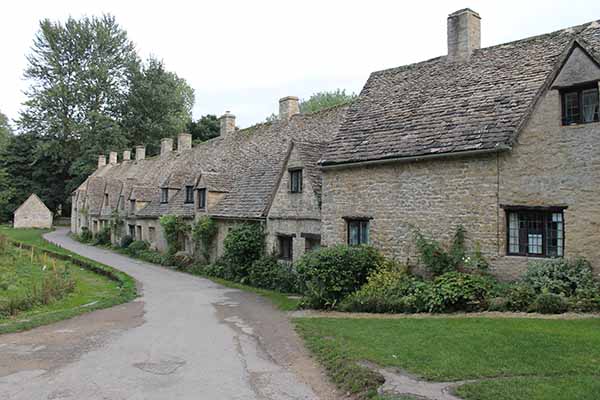 The star attraction is Arlington Row, a collection of ancient weavers' cottages dating from the seventeenth century. Built from the distinctive local stone, with steeply pitched roofs and tiny windows, the cottages sit beside the River Coln and have become one of the defining images of the English countryside.
It is spectacularly pretty. It is also spectacularly busy.
Bibury has become something of a victim of its own success, with coaches and visitors arriving to photograph the cottages before moving on. The sensible approach is to arrive early or later in the day, when the village is considerably more peaceful. Take time to walk beyond Arlington Row too, because the village and surrounding countryside deserve more than a quick photograph and a tick on the list.
Bibury is also famous for its trout farm, which has been operating for well over a century. The clear waters of the River Coln are ideal for trout, and the surrounding landscape is quintessential Cotswolds.
Stow-on-the-Wold
Perched high on a hill, Stow-on-the-Wold has a rather different character from Bourton and Bibury. Its large market square reflects its history as an important medieval market town, and the town remains a good place to browse independent shops, galleries, cafés and traditional pubs.
The church of St Edward is particularly interesting. Its doorway, framed by ancient trees, has acquired an almost fantastical reputation and is often said to have inspired Tolkien's description of the Doors of Durin. Whether or not that is actually true, it certainly looks as though it belongs in Middle-earth.
Chipping Campden
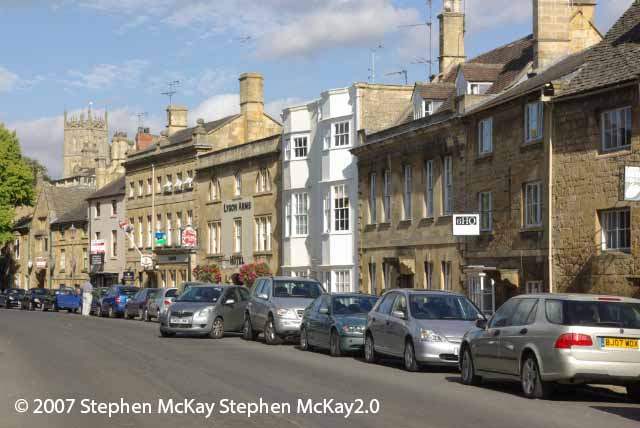 Further north is Chipping Campden, another Cotswold favourite and one of the best-preserved of the region's historic towns.
The long, elegant High Street is lined with honey-coloured buildings, many dating from the medieval and Tudor periods. The town prospered through the wool trade, and the wealth generated by Cotswold sheep can still be seen in its architecture.
The Market Hall is particularly impressive, built in the seventeenth century to provide shelter for traders. It is one of those buildings that makes you wonder why modern shopping centres cannot be made half as attractive.
Chipping Campden also provides access to some excellent walking country, including the Cotswold Way.
Broadway
Another of the Cotswolds' most famous settlements is Broadway, lying at the foot of the escarpment beneath Broadway Tower.
The village itself has an attractive wide High Street lined with historic buildings, shops, galleries and places to eat. Broadway Tower sits on Broadway Hill several miles from the village and provides superb views across the surrounding countryside.
The tower looks rather like a medieval castle but is actually a folly, built in the eighteenth century. From the top, on a clear day, the view stretches across a huge swathe of the Midlands.
Moreton-in-Marsh and Burford
 Moreton-in-Marsh is one of the region's principal market towns and, importantly for visitors without a car, has a railway station. It therefore makes a useful base for exploring the northern Cotswolds.
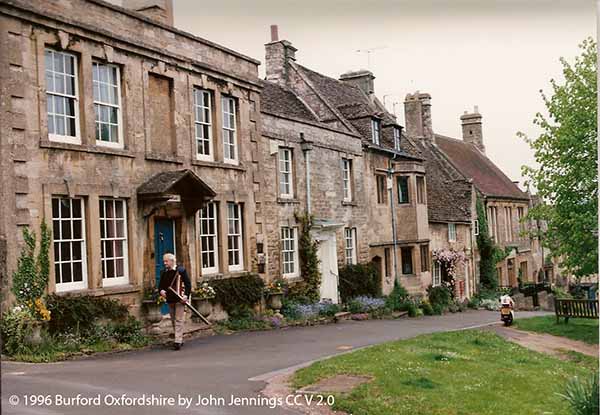
Burford, meanwhile, is often described as the gateway to the Cotswolds. Its steep High Street drops dramatically towards the River Windrush and is lined with historic buildings, independent shops, cafés and pubs. The medieval bridge at the bottom completes the picture.
Burford is also a good reminder that the Cotswolds isn't simply a collection of tiny villages. There are substantial historic towns here with centuries of commercial and architectural history.
Diddly Squat Farm Shop
For something completely different, there is Diddly Squat Farm Shop, the rather unlikely tourist attraction created by Jeremy Clarkson on his farm in the Cotswolds. Made famous by Clarkson's Farm, the shop has become a destination in its own right, attracting visitors who come as much for the Clarkson experience as for the locally produced food and drink.
The shop sells produce from the farm and surrounding area, along with plenty of Clarkson-branded merchandise and, inevitably, a fair amount of humour. Expect queues, crowds and a certain amount of deliberate chaos — but that is rather the point.
Whether you are a fan of the television series or simply curious to see what all the fuss is about, Diddly Squat is an amusing diversion from the traditional Cotswold chocolate-box experience — and probably the only farm shop where you are quite so likely to encounter a tractor-driving television presenter.
Gardens and grand houses
The Cotswolds also has more than its fair share of impressive gardens and historic houses.
Hidcote near Chipping Campden is one of the best-known Arts and Crafts gardens in Britain, divided into a series of distinctive outdoor rooms. Nearby Kiftsgate Court Gardens offers another excellent horticultural experience, particularly during the summer flowering season.
Then there is Snowshill Manor, a wonderfully eccentric National Trust property associated with the collector Charles Paget Wade. Rather than being a grand country house in the conventional sense, it is stuffed with an extraordinary collection of objects accumulated by Wade over his lifetime.
The result is slightly bonkers — which, in my opinion, makes it considerably more interesting.
Walking the Cotswolds
For anyone who enjoys walking, the Cotswolds is difficult to beat. The Cotswold Way runs for around 100 miles along the escarpment between Bath and Chipping Campden, passing through some of the finest countryside in the area.
You certainly don't have to walk the entire thing. There are countless shorter routes linking villages, viewpoints, woodland and open farmland.
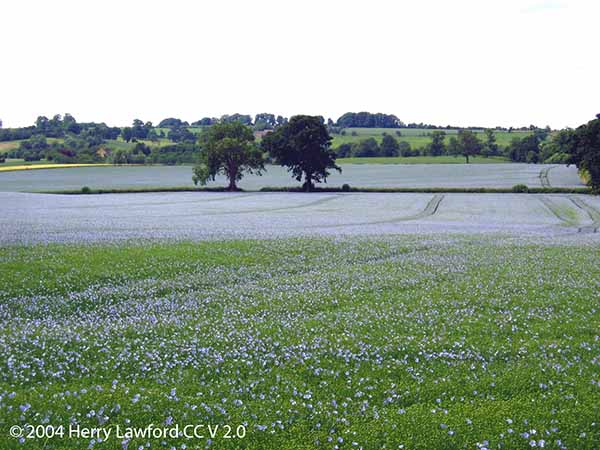
And this is perhaps where the Cotswolds really comes into its own. Away from the main roads and tourist hotspots, the crowds disappear and the landscape becomes wonderfully peaceful. Sheep graze behind dry-stone walls, paths disappear over hills and ancient tracks lead towards villages that seem almost unchanged for generations.
The Cotswold problem
 There is, however, a slight elephant — or perhaps a Range Rover — in the room.
The Cotswolds is very popular. During summer weekends and school holidays, places such as Bourton-on-the-Water, Bibury and Castle Combe can become extremely crowded. Parking can be expensive or difficult, roads are narrow and traffic can be surprisingly heavy.
The answer is not to avoid the Cotswolds but to explore it intelligently. Arrive early, stay overnight if possible, visit the more famous villages outside the busiest hours and spend some time discovering the less celebrated corners of the region.
Because the great strength of the Cotswolds is that the beauty doesn't stop when you leave the famous villages.
The verdict
The Cotswolds can sometimes feel almost too perfect. The cottages are too pretty, the villages too tidy and the scenery almost suspiciously green. It can also feel rather touristy, particularly around Bourton-on-the-Water and Bibury in the middle of summer.
But it would be churlish to let that spoil things.
There is a reason millions of people come here. The combination of beautiful countryside, magnificent architecture, historic towns, chocolate-box villages, excellent walking and some superb attractions makes the Cotswolds one of England's finest areas to explore.
Bourton-on-the-Water provides the classic Cotswold experience, complete with its river, bridges, museums and Birdland. Bibury supplies the famous postcard view with Arlington Row. Stow-on-the-Wold, Chipping Campden, Broadway, Burford and Castle Combe add their own variations on the theme.
And once you've had enough of the crowds, simply find a country lane, park up somewhere sensible, put your boots on and walk.
That is when the Cotswolds stops being a tourist attraction and becomes what it has always been — a remarkably beautiful piece of England.
(prices quoted correct as at August 2026)
Return to South West home page