
France - Loire Valley
The Loire Valley is one of those parts of France where it is almost impossible to go anywhere without stumbling across something worth seeing.
The Loire itself is the obvious star, but the smaller Loir Valley to the north is every bit as attractive and, thankfully, considerably quieter.
Together they make a wonderful area to explore, particularly if you like history, beautiful countryside, gardens and, above all, châteaux.
And there are certainly plenty of those. The great names such as Chambord, Chenonceau, Amboise, Blois and Villandry dominate the tourist brochures, and quite rightly so. They range from enormous Renaissance palaces to much smaller and more intimate country houses, each with its own history and character. You could spend days visiting them and still only scratch the surface.
What I particularly like about the Loire châteaux is that they aren't simply old buildings with a few rooms full of furniture.
Many are surrounded by magnificent gardens, formal parterres, woodland and water features, making the whole experience much more enjoyable.
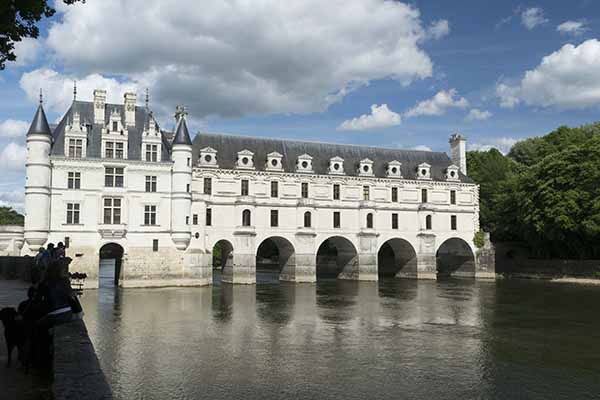 Chenonceau, straddling the River Cher, is probably the prettiest of the lot, while Chambord is the one that makes you stop and wonder quite how anyone managed to build something so ridiculously grand. Amboise, meanwhile, has the added attraction of its association with Leonardo da Vinci, whose final home, Clos Lucé, is nearby.
Then there are the lesser-known châteaux, and these are often where the real pleasure lies. The smaller estates tend to attract fewer coach parties and allow you to appreciate the countryside without feeling that you've joined a queue of several thousand other tourists. The whole region is ideal for simply getting in the car, following the roads and seeing what turns up.
The Loir Valley is particularly good for this.
Despite having a very similar name, the Loir is a different river from the much larger Loire, and the valley has a noticeably more peaceful feel.
Towns such as Vendôme and Montoire-sur-le-Loir provide pleasant places to stop, while the countryside is a mixture of vineyards, fields, wooded hills and sleepy villages. It is France at its most relaxed.
One place I would particularly recommend is the Jardin du Plessis Sasnières.
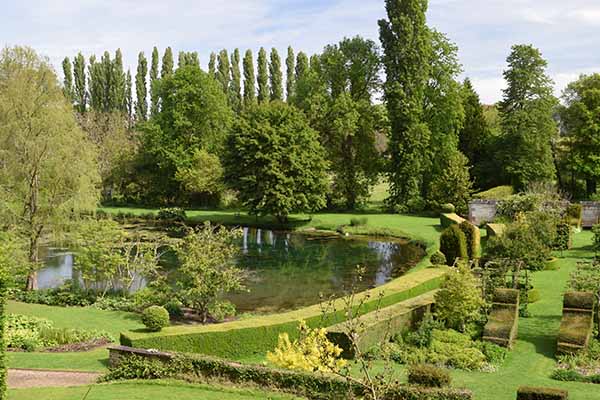 Tucked away in a small valley near Sasnières, this is an 11-hectare English-style garden built around a beautiful pond fed by natural springs. It has been awarded the French Jardin Remarquable designation, and it is easy to see why. The planting is wonderfully varied, with colourful borders, roses, magnolias, trees, shrubs, topiary and an impressive gunnera beside the cascades.
This is not a garden where you simply walk around looking at a few flower beds before heading for the exit. The setting is the real attraction, with lawns leading down towards the water and the garden making excellent use of the natural contours of the valley. It is peaceful, beautifully maintained and a welcome change from the grander and sometimes much busier château gardens. Allow a good hour or more to enjoy it properly.
For something completely different, head to Autrèche and the Réserve de Beaumarchais.
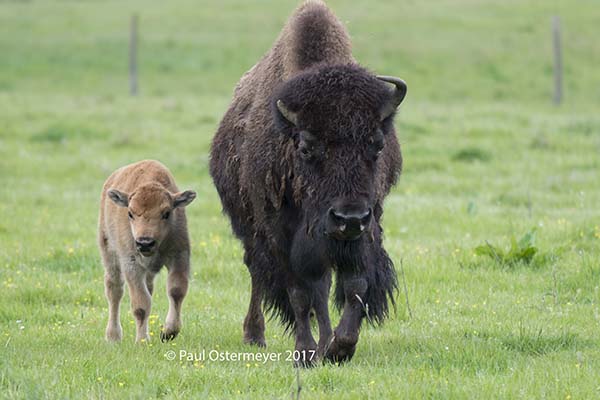 This is an animal park with a difference, because the main attraction is a safari train that takes you through large areas where animals are kept in semi-freedom. You can get remarkably close to deer, stags, wild boar, fallow deer and Corsican mouflon, followed by some rather more exotic inhabitants including ostriches, emus, rheas and American bison. There are also Bennett's wallabies to see on foot.
It makes a particularly good change of pace after a few days of churches, châteaux and museums. Sitting on a little train while deer and other animals wander around nearby is considerably more entertaining than it might sound, and it is one of those places that works well for both adults and children.
Food, naturally, is another reason to enjoy the region. This is France, after all, so you are never too far from a decent restaurant, a local market or a village where lunch can turn into a rather longer affair than originally intended. The Loire is also wine country, with plenty of opportunities to sample the local wines, while the Loir Valley has its own smaller wine-growing traditions.
The great attraction of both valleys is that you can make the trip as busy or as leisurely as you like. If you want magnificent architecture, there are enough châteaux to keep you occupied for weeks. If gardens are your thing, there are some outstanding examples. If you simply want to drive through beautiful French countryside, stop for coffee in a village and wonder why you don't do this more often, the region works equally well.
The Loire Valley may be the famous one, but don't ignore its quieter neighbour.
The Loir Valley has fewer international visitors, plenty of character and some delightful surprises. Put the two together and you have one of the best areas of France for a touring holiday — historic, scenic, wonderfully French and with enough châteaux to satisfy even the most enthusiastic castle addict.
Prices correct as June 2026
Return to France home page