
RHS Harlow Carr
If you think Yorkshire is all dry-stone walls, sheep and miserable weather, a visit to RHS Harlow Carr near Harrogate may come as something of a surprise. Tucked into the countryside on the edge of the spa town, Harlow Carr is one of the Royal Horticultural Society's major gardens and is a wonderfully relaxed place to spend a few hours — or considerably longer if you are anything like me and keep finding another path that looks worth investigating.
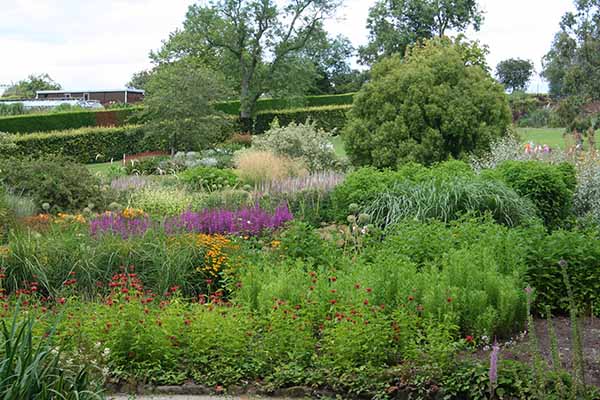 Unlike some of Britain's more formal gardens, Harlow Carr doesn't try to impress by surrounding you with an enormous stately home. There isn't one. Instead, the garden is very much the star of the show, with woodland, meadows, borders, ponds, streams and beautifully designed planting creating a garden that feels firmly connected to its Yorkshire surroundings.
And that is one of its greatest strengths.
A garden with a Yorkshire character
Harlow Carr occupies around 58 acres and began life as an experimental garden before becoming an RHS garden. Its location is important because the climate and landscape have influenced what grows particularly well here.
The result is a garden that feels natural rather than overly manicured. There are formal areas, certainly, but they are mixed with woodland and open countryside, making it possible to move from carefully designed borders into something that feels much closer to the surrounding Yorkshire landscape.
This isn't a garden where every plant has been forced into submission.
Paths wind through the grounds, streams provide movement and sound, and the changing seasons give Harlow Carr a constantly shifting appearance.
The Main Borders
For keen gardeners, the Main Borders are one of the highlights.
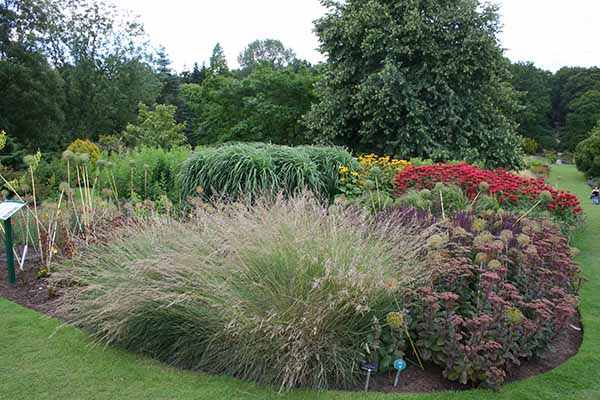 These long, densely planted areas demonstrate how plants can be combined for colour, texture and seasonal interest. There is plenty here to admire for the experienced gardener, but you don't need to be able to identify every plant to appreciate the effect.
The borders change dramatically through the year. Spring brings bulbs and fresh growth, summer sees the garden bursting into colour, while autumn is arguably one of Harlow Carr's most atmospheric periods.
And then there is winter, when the emphasis moves away from flowers towards bark, stems, seed heads, grasses and the underlying structure of the garden.
It is a good reminder that a successful garden doesn't have to shut down simply because the flowers have gone to bed.
The Streamside Garden
One of Harlow Carr's most attractive features is the Streamside Garden, where planting follows the course of the beck running through the site.
Water has always been one of those features that makes a garden feel more natural, and here it works particularly well. The stream provides a wildlife corridor and creates a constantly changing environment for moisture-loving plants.
It is also one of the nicest places simply to slow down.
There are gardens where you feel you have to rush around making sure you haven't missed anything. Harlow Carr is better enjoyed at a more leisurely pace.
Woodland
The woodland areas provide another change of atmosphere.
Paths lead through mature trees and naturalistic planting, with spring bulbs and woodland plants providing colour at different times of the year. In summer the trees provide welcome shade, while autumn brings the inevitable but spectacular Yorkshire display of changing leaves.
It is also a good place for wildlife, with birds, insects and other creatures making use of the different habitats throughout the garden.
This mixture of cultivated and natural landscape is important. Harlow Carr demonstrates that gardening doesn't necessarily mean controlling every square inch of land. Sometimes the best gardens are those where humans and nature are allowed to negotiate the arrangement.
The Alpine Garden
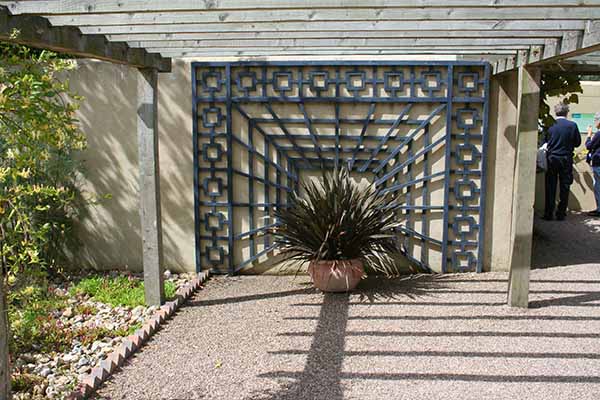 The Alpine Garden provides something rather different, concentrating on plants adapted to mountainous environments.
Rock gardens can sometimes look rather artificial, but the planting here demonstrates how small plants can be used effectively in difficult conditions. It is also a useful source of inspiration for anyone attempting to create an alpine or rock garden at home.
And yes, there are plenty of plants here that will have you thinking, “That's rather nice — I wonder if I could grow one of those?”
This is where garden centres become dangerous places.
The Kitchen Garden
Harlow Carr also has a productive Kitchen Garden, demonstrating how attractive food-growing areas can be as well as useful.
Vegetables, fruit and herbs are grown alongside flowers and other ornamental planting, showing that a productive garden doesn't have to resemble a regimented agricultural plot.
It is particularly interesting for anyone considering growing their own food, with plenty of ideas that can be adapted to a much smaller garden.
The gardens for wildlife
Wildlife is another important part of Harlow Carr.
The planting provides food and shelter for pollinators, birds and other creatures, and the garden demonstrates how horticulture and wildlife conservation can work together.
There are plenty of lessons here for ordinary gardeners. You don't need fifty acres and an RHS team to make a difference. A few flowering plants, some habitat and a little tolerance for insects can turn even a modest garden into a useful wildlife refuge.
Betty's
 And now for the really important question.
Tea and cake?
Fortunately, Harlow Carr has that covered.
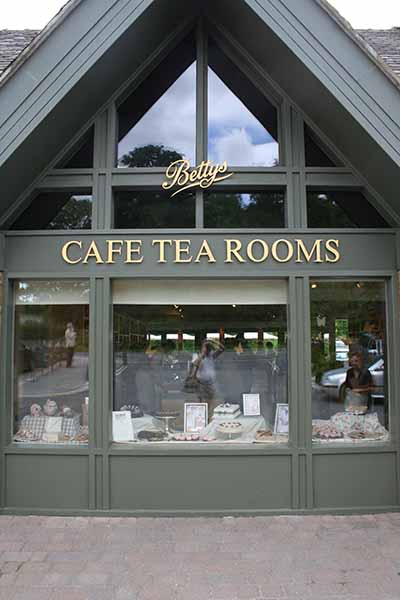
There is a branch of Bettys on site, making it possible to combine serious horticulture with one of Yorkshire's most important cultural traditions: consuming an unnecessarily large amount of cake.
Bettys is something of an institution in Harrogate and the presence of a café at Harlow Carr makes the garden particularly well suited to a leisurely visit. After walking around the grounds, sitting down with tea and something sweet is not merely acceptable — it is practically compulsory.
The café also serves more substantial food, so there is no need to survive the entire visit on cake, although I see no reason why you shouldn't try.
A garden for all seasons
One of the best things about Harlow Carr is that there isn't really a single "best" time to visit.
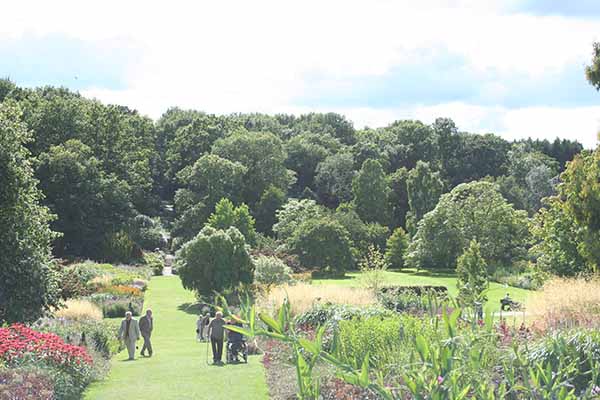 Spring is excellent for bulbs, blossom and fresh growth. Summer brings the great flowering displays, with herbaceous borders at their peak.
Autumn is particularly impressive, with trees and shrubs providing a spectacular range of colour and the lower light giving the garden a wonderfully atmospheric quality.
Winter is quieter, but that doesn't mean lifeless. The structure of the garden becomes more obvious and there is something very satisfying about seeing how good planting can work without relying on flowers.
If you live within reasonable travelling distance, Harlow Carr is therefore worth visiting more than once. A garden that changes this much through the seasons really can't be judged on a single visit.
Harrogate
Harlow Carr also benefits enormously from its location.
It lies on the western edge of Harrogate, one of Yorkshire's most attractive towns, so it is easy to combine a visit to the garden with time exploring the town itself.
Harrogate has its famous spa heritage, elegant architecture, gardens and excellent shops and cafés. The Valley Gardens are particularly worthwhile and provide another pleasant horticultural stop.
This makes Harlow Carr a good destination for a full day out rather than simply a garden visit.
The verdict
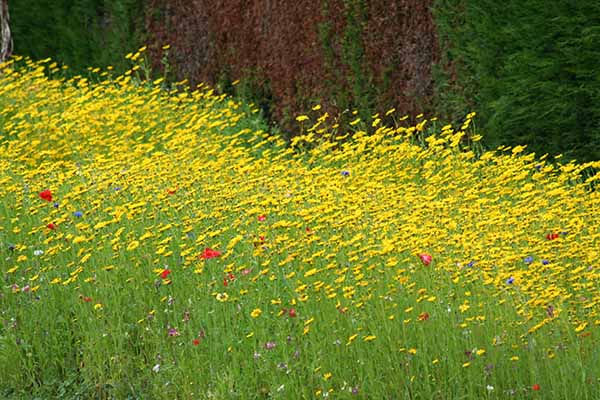 RHS Harlow Carr may not have the grandeur of a stately home or the sheer scale of some of Britain's enormous gardens, but that isn't really what it is trying to achieve.
Its strength lies in its combination of excellent horticulture, natural landscape and Yorkshire character.
There are beautifully designed borders for the serious gardener, woodland and streams for those who prefer something more natural, productive gardens for inspiration and plenty of open space for simply wandering around.
It also manages something that some formal gardens struggle with: it feels like somewhere you could actually enjoy spending time rather than somewhere you have to march around admiring.
And when you've finished, there is always Bettys.
So, if you are in North Yorkshire and have any interest in gardens, Harlow Carr is well worth putting on the list. It is beautifully maintained without becoming sterile, educational without being relentlessly worthy and large enough to keep you occupied without leaving you exhausted.
A thoroughly Yorkshire garden — and proof that, when it comes to horticulture, God's own county can grow considerably more than just rhubarb.
Opening Times:- March to October: 09:30 – 18:00pm (Last entry at 17:00)
November to February: 09:30 – 16:00 (Last entry at 15:00 / 15:15 depending on season)Exceptions: Open every day except Christmas Day.
Admission Costs (Non-Member Pre-booked Online) Standard (Weekends Apr–Sep & peak dates): £17.20, Off-peak (Weekends Oct–Mar, Weekdays Apr–Sep & select holidays): £15.70
Saver (Weekdays Oct–Mar, excluding half-terms): £13.60
RHS Members: Free entry
(prices quoted correct as at August 2026)
Return to Yorkshire home page