
Marbella
Marbella is one of those places that has acquired a reputation so large that it is sometimes difficult to work out what the real place is actually like. Say "Marbella" and most people immediately think of millionaires, superyachts, designer shops, enormous villas and celebrities trying not to be photographed.
And, to be fair, all of that exists.
But there is another Marbella, and that is the bit I prefer.
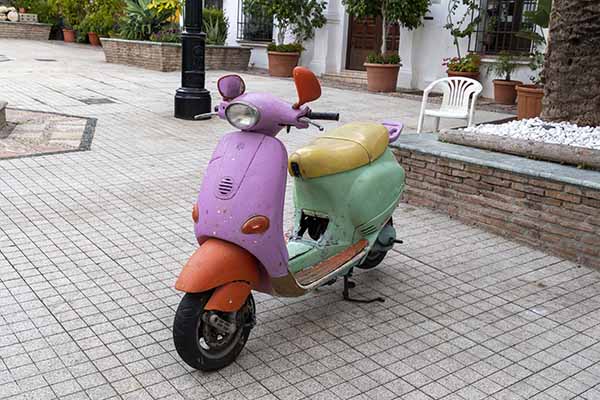 Sitting on the Costa del Sol between Málaga and Gibraltar, Marbella has a superb location backed by the mountains and looking out across the Mediterranean. The climate is one of its great attractions, with sunshine being almost guaranteed for much of the year. It is easy to understand why the rich and famous decided this was somewhere worth having a second home.
The modern resort really began taking off in the 1950s, when Prince Alfonso of Hohenlohe helped establish the Marbella Club. What followed was an extraordinary transformation from relatively quiet Andalusian town into one of Europe's most famous luxury playgrounds.
And then there is Puerto Banús.
Puerto Banús is Marbella turned up to eleven. Superyachts sit in the marina, expensive cars cruise the streets and designer boutiques line the waterfront. If you've ever wondered what people do when they have considerably more money than sense, Puerto Banús will provide plenty of examples.
The yachts are particularly impressive. Some are so enormous that you could probably run a small hotel on them, and judging by the prices of some of the vessels, you might need to.
But don't make the mistake of thinking Marbella is simply Puerto Banús and a collection of luxury hotels.
The Old Town
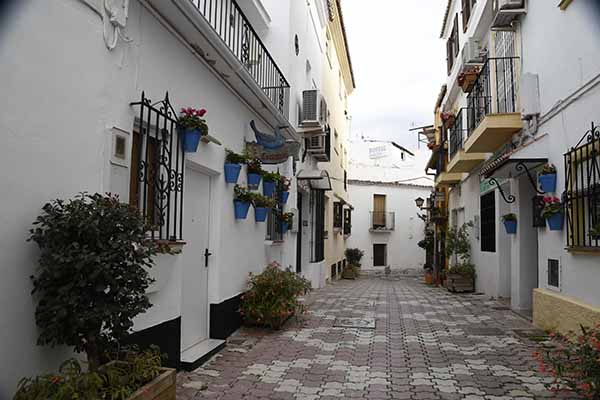 The Casco Antiguo, or Old Town, is where Marbella becomes considerably more interesting.
Just a short distance from the glitz and glamour is a maze of narrow whitewashed streets, flower-filled balconies and small squares. At its heart is the beautiful Plaza de los Naranjos, surrounded by historic buildings and orange trees.
This is the Marbella that existed before the yachts and celebrities arrived.
The little streets are full of cafés, restaurants and independent shops, and this is where I'd recommend spending some time simply wandering without worrying about where you're going. The white buildings, colourful flowers and cobbled streets are quintessentially Andalusian.
The Iglesia de la Encarnación dominates the old quarter. It is a substantial Baroque church built on the site of an earlier mosque following the Christian reconquest.
You can also find remnants of the old Moorish town, including the remains of the Arab castle walls. Not a huge amount survives, but it is another reminder that Marbella's history goes considerably further back than its reputation for luxury holidays.
The Golden Mile
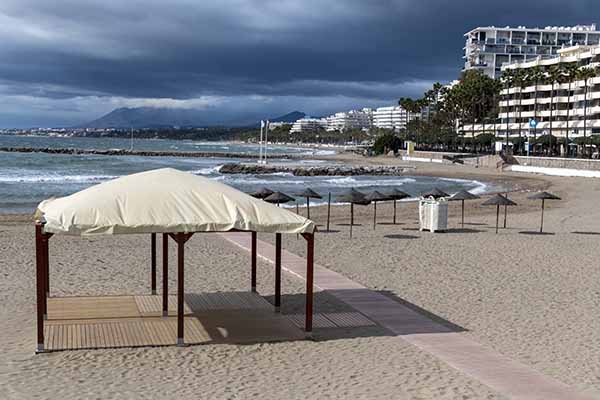 Then there is the famous Golden Mile, stretching between Marbella and Puerto Banús.
Despite the name, it isn't actually a mile long — it is several kilometres — but marketing departments have never been particularly bothered by such technicalities.
This is prime real estate. Luxury hotels, enormous villas, expensive apartment developments and some of the most valuable property on the Costa del Sol line the route.
The beaches along this stretch are attractive, although the quality varies considerably and some are narrow. The Mediterranean is warm and inviting, but don't expect the sort of endless golden sands you might find elsewhere.
Marbella's paseo marítimo is particularly pleasant for walking. You can stroll along the waterfront, stop for a coffee or lunch and watch the boats bobbing around offshore.
And if you're feeling energetic, there are plenty of opportunities for water sports, golf and other activities designed to separate you from your money.
The Marbella Problem
And this brings us to the slight problem with Marbella.
It can be ridiculously expensive.
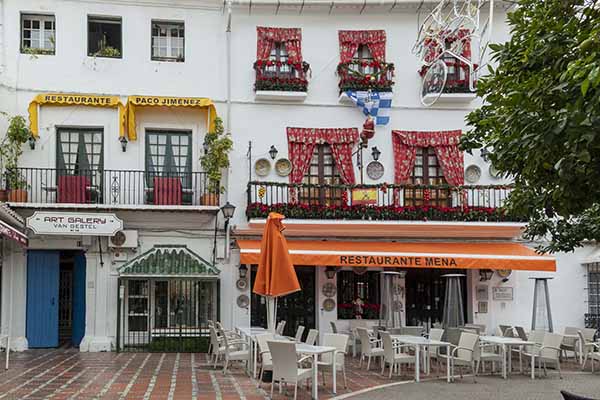 You can eat cheaply if you look around, but the glamorous parts of town are designed for people who don't have to check their bank balance before ordering lunch. Puerto Banús in particular can make you feel financially inadequate simply by walking past a restaurant.
There is also a certain amount of artificiality about the place. Parts of Marbella feel less like Spain and more like an international luxury resort where Spanish happens to be one of the languages spoken.
But that isn't the whole story.
Move a few streets away from the waterfront and you'll find ordinary Spanish life continuing as it has for generations. Local tapas bars, small shops, neighbourhood cafés and residents who couldn't care less what sort of car is parked outside the marina.
And that contrast is what makes Marbella interesting.
The Moaner Verdict
If you're expecting a traditional Spanish town untouched by tourism, Marbella isn't it.
If you're expecting somewhere glamorous, sunny and packed with luxury, then you've come to exactly the right place.
But spend some time in the Old Town and you'll discover that beneath the wealth, bling and rather excessive display of money there is a genuinely attractive Andalusian town.
The trick is to enjoy Marbella without taking the whole millionaire lifestyle too seriously.
Admire the yachts, have a wander around Puerto Banús, then head back to the Old Town, find a little tapas bar, order a drink and watch the world go by.
Marbella has a ridiculous amount of money on display — but fortunately, you don't need any of it to enjoy the best bits.
Return to Andalucia Home Page