
Seville
Seville is one of those cities that seems to have been designed specifically to show off Spain at its most flamboyant. Grand buildings, orange trees, tiled courtyards, horse-drawn carriages, tapas bars, flamenco, sunshine and enough history to fill several books — Seville has the lot.
And unlike some of Spain's larger cities, it doesn't feel as though you're constantly fighting your way through traffic. The historic centre is wonderfully walkable, although walking around Seville in the height of summer can leave you wondering whether the Spanish have deliberately positioned everything interesting at least half a mile from wherever you happen to be standing.
The star attraction is undoubtedly the Real Alcázar.
The Real Alcázar
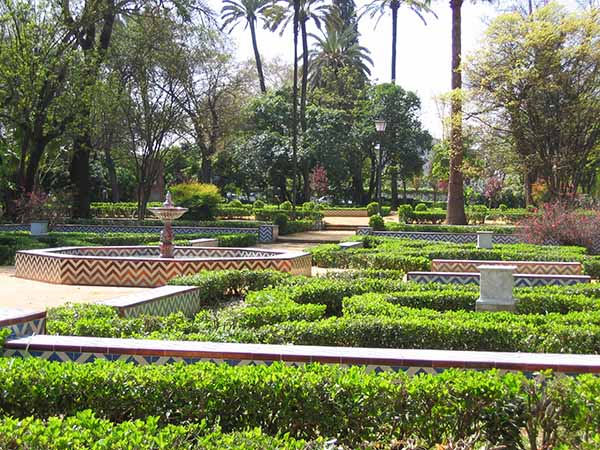 The Real Alcázar of Seville is quite simply magnificent. Originally developed as a Muslim fortress and palace, it was transformed and expanded by successive Christian rulers, producing the extraordinary mixture of Islamic, Gothic, Renaissance and Mudéjar architecture you see today.
The Mudéjar palace built for Pedro I is the real showstopper. The decoration is astonishing, with intricate plasterwork, geometric tiles, carved wooden ceilings and beautiful courtyards. The Patio de las Doncellas, with its reflecting pool and elaborate arches, is particularly spectacular.
Then there are the gardens, which seem to go on forever. Fountains, orange trees, palms, clipped hedges, hidden courtyards and shady pathways make them an excellent place to escape the heat.
The Alcázar has also acquired a modern claim to fame, having been used as a filming location for Game of Thrones. But frankly, it doesn't need Hollywood to make it impressive.
Seville Cathedral and the Giralda
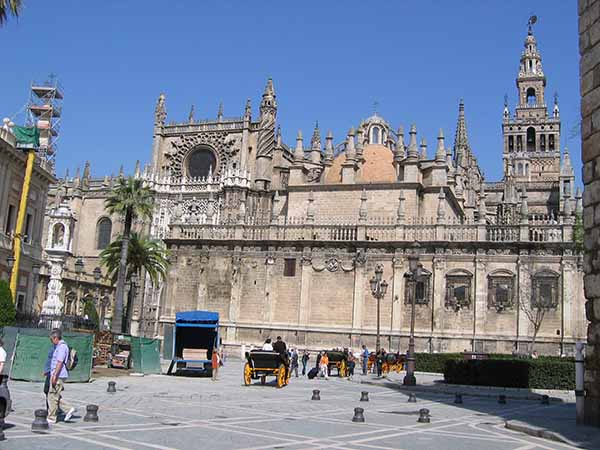 Next door is the enormous Cathedral of Seville, one of the largest Gothic cathedrals in the world.
It was built on the site of the city's former mosque, and the Giralda, the cathedral's famous bell tower, was originally the minaret. The lower sections still retain their Islamic character, while the upper Christian additions were added after the Reconquista.
The clever bit is that the Giralda doesn't have a conventional staircase. Instead, it has ramps wide enough for a horse to climb — apparently the original designers wanted the ruler to be able to ride to the top.
Today you'll probably have to make do with your own legs, but the climb is worth it. The views across Seville are superb.
Inside the cathedral, the scale is extraordinary. Christopher Columbus is buried here, although exactly which remains are present has been the subject of considerable historical and scientific debate. Either way, the tomb is impressive.
Plaza de España
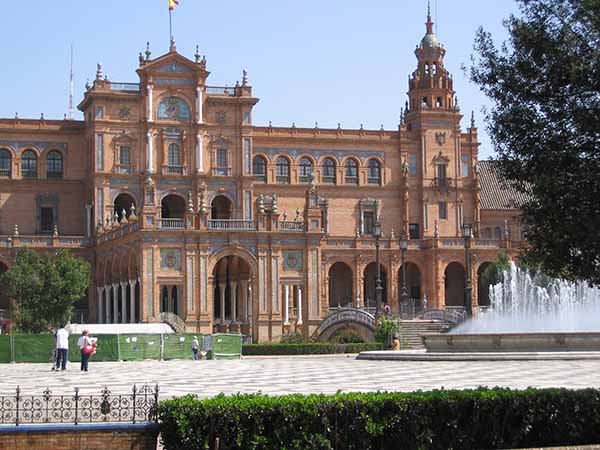 Then comes the Plaza de España, which is almost ridiculously grand.
Built for the 1929 Ibero-American Exposition, it combines towers, bridges, fountains, tiled alcoves and an enormous semicircular plaza surrounding a canal. It looks less like a normal public square and more like somebody was given an unlimited budget and told to make something spectacular.
The four bridges represent the four ancient kingdoms of Spain, while the tiled alcoves around the square represent Spain's provinces.
It has also appeared in films, most famously Star Wars: Attack of the Clones. Even without the cinematic connection, it is one of Seville's must-see sights.
The Santa Cruz Quarter
For atmosphere, head into Santa Cruz, the old Jewish quarter.
This is where you find the narrow lanes, whitewashed houses, flower-filled balconies and little squares that people imagine when they think of old Seville.
It is also an excellent place to get completely lost.
And I mean that in the nicest possible way. Don't worry about the map. Wander through the narrow streets, find a shady square, have a drink and watch the world go by.
Just remember that Seville's famous orange trees aren't there primarily to provide you with free snacks. The bitter oranges are mainly used for making marmalade — although I suspect a tourist eating one accidentally provides entertainment for the locals.
Tapas, Flamenco and Fiestas
 Seville is one of the great cities for tapas.
Forget the idea of having one enormous meal and spending the rest of the evening recovering. Here you can wander from bar to bar, having a small dish and a drink at each. Jamón, cheese, olives, croquettes, grilled meats and seafood are just the beginning.
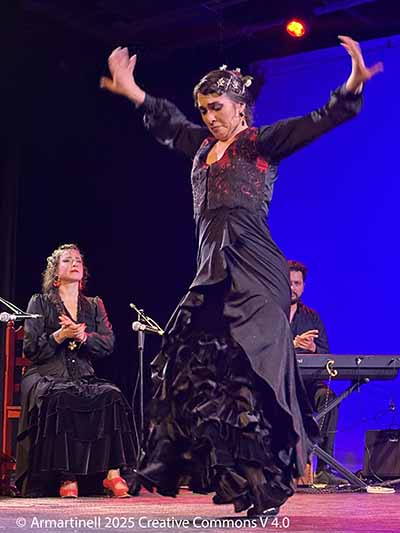
And then there is flamenco.
Seville is one of the great centres of flamenco, and seeing a genuine performance is an essential part of the experience. This is not just dancing for tourists. The combination of guitar, singing, rhythm and extraordinarily expressive dancing is deeply rooted in Andalusian culture.
The annual Feria de Abril takes the whole thing to another level. For one week Seville becomes a riot of flamenco dresses, horses, music, dancing and partying. The locals take their feria extremely seriously, and quite rightly so.
The Moaner Verdict
There are downsides, naturally.
Seville gets very hot. In summer, temperatures can become brutal, and wandering around a city paved largely with stone in 40°C heat isn't everyone's idea of fun. The tourist centre can also become extremely busy, particularly around the cathedral and Alcázar.
But Seville has so much character that it's difficult to stay grumpy for long.
It is historic without being stuffy, beautiful without being entirely polished, and lively without feeling like one enormous tourist trap.
And then there are those evenings.
As the heat of the day begins to disappear, the locals emerge, the squares fill with people, tapas bars become busy and the smell of cooking drifts through the streets. Find a table outside, order something cold and watch Seville come alive.
Seville is Spain turned up to full volume — colourful, passionate, historic, occasionally exhausting and utterly captivating.
And after all that, there's only one sensible conclusion:
Seville is bloody good.
Return to Andalucia Home Page