
Thames Path: Lechlade - Oxford
Section Length: 29.5 miles (47.47 km)
Time Taken: 10 hrs 57 mins
Dates Walked: 29th and 30th August 2017
Logistics: This section of the walk was completed in two parts.
The first from Lechlade to Newbridge (16 miles). For this I parked in Oxford, caught a train to Swindon, then a bus to Lechlade. I stayed at a riverside hotel in Newbridge overnight,
The second part was Newbridge to Oxford (13.5 miles)..
Time Taken: 10 hrs 57 mins
Dates Walked: 29th and 30th August 2017
Logistics: This section of the walk was completed in two parts.
The first from Lechlade to Newbridge (16 miles). For this I parked in Oxford, caught a train to Swindon, then a bus to Lechlade. I stayed at a riverside hotel in Newbridge overnight,
The second part was Newbridge to Oxford (13.5 miles)..
Previous Source to Lechlade Next Oxford to Reading
Leaving Lechlade, the Thames Path finally settles into the sort of riverside walking you might have expected from the beginning.
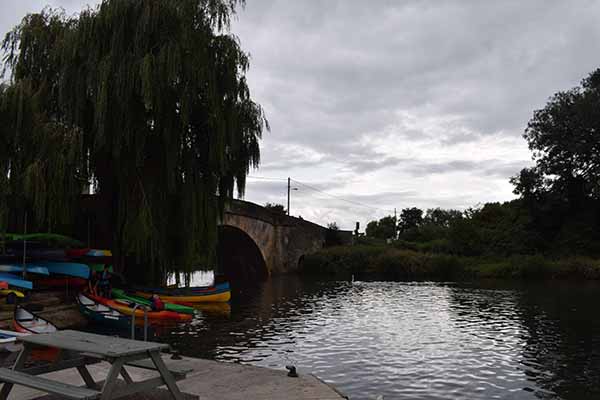 The river is now properly navigable and there is no shortage of water, boats and riverside scenery. It is still a relatively peaceful part of the Thames, though, with the route passing through open countryside and a succession of attractive villages.
One of the first interesting spots is Buscot, with its rather grand Buscot Park nearby. The village itself is small and quiet and the river here is particularly pleasant, with the towpath following the water through meadows and woodland.
Then comes Kelmscott, which I mentioned in the previous section, although this time you are approaching it from the other direction. William Morris fans can make the detour to Kelmscott Manor, but for me the attraction is simply being beside the Thames on a pleasant stretch of walking.
The river continues through open countryside towards Lechlade's eastern neighbours, with locks, weirs and the occasional boat providing a bit of interest. It is also nice to see the Thames being used rather than simply admired. Narrowboats and cruisers may not exactly be breaking speed records, but at least they are going somewhere.
Further along comes Radcot, with its collection of old bridges and riverside buildings. It is one of those places where the history of the Thames as a working waterway becomes much more obvious.
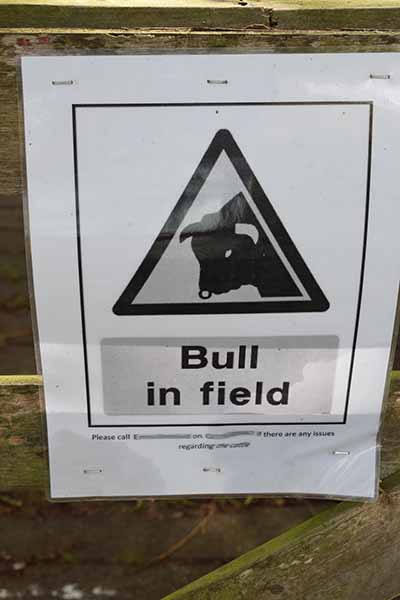 The walking remains fairly easy, although there are the usual moments when the path becomes less than perfect. This isn't a manicured parth and you are still walking through real countryside, so expect mud after rain and the occasional uneven section.
Eventually the route reaches Tadpole Bridge, where the famous Trout Inn sits beside the river. It is a rather good excuse for a break, although whether you stop for a drink or simply carry on depends on how far you want to walk that day.
The next section takes you towards Bampton and the surrounding countryside. Bampton itself is slightly away from the river but is worth knowing about, particularly if you are a fan of Downton Abbey. The village was used extensively for filming and parts of it will look very familiar to anyone who watched the series.
Back beside the Thames, the route continues through a mixture of farmland and riverside woodland. There are plenty of quiet stretches where the only real sounds are the river, birds and the occasional boat.
Eventually you reach Northmoor and then Bablock Hythe, where the river takes on a more substantial character and there are more signs that Oxford isn't too far away.
The approach to Oxford is perhaps the most interesting part of the whole section. After all the fields and villages, you gradually begin to encounter more development, although the route still manages to retain plenty of greenery.
The river passes through a mixture of meadows and wooded sections before reaching the outskirts of Oxford. You can sense the city approaching before you actually see much of it.
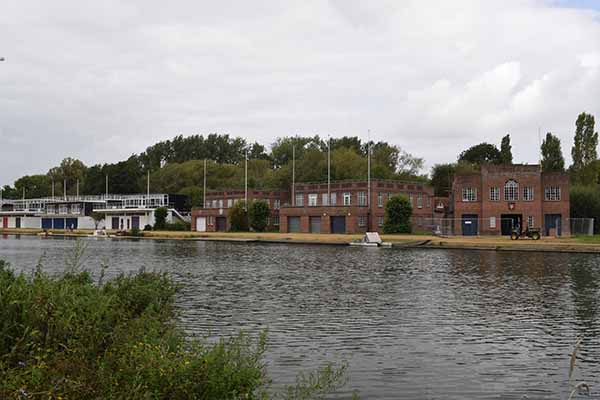 And then suddenly you are in Oxford.
This is where the character of the Thames changes again. The quiet rural river has become part of a busy university city, with rowing boats, college buildings and punts replacing the narrowboats and fields.
Walking into Oxford beside the Thames is a very different experience from starting at the source. There is now plenty of water, plenty of people and considerably more activity.
The river runs past Port Meadow, a huge area of open common land on the edge of the city. This is a particularly enjoyable part of the approach, as you get a surprisingly rural view of Oxford despite being within walking distance of the centre.
Eventually the path leads towards the heart of the city, where the Thames and its smaller channels are surrounded by some of Oxford's famous buildings.
It is quite a transformation.
Previous Source to Lechlade Next Oxford to Reading
Leaving Lechlade, the Thames Path finally settles into the sort of riverside walking you might have expected from the beginning.
The river is now properly navigable and there is no shortage of water, boats and riverside scenery. It is still a relatively peaceful part of the Thames, though, with the route passing through open countryside and a succession of attractive villages.One of the first interesting spots is Buscot, with its rather grand Buscot Park nearby. The village itself is small and quiet and the river here is particularly pleasant, with the towpath following the water through meadows and woodland.
Then comes Kelmscott, which I mentioned in the previous section, although this time you are approaching it from the other direction. William Morris fans can make the detour to Kelmscott Manor, but for me the attraction is simply being beside the Thames on a pleasant stretch of walking.
The river continues through open countryside towards Lechlade's eastern neighbours, with locks, weirs and the occasional boat providing a bit of interest. It is also nice to see the Thames being used rather than simply admired. Narrowboats and cruisers may not exactly be breaking speed records, but at least they are going somewhere.
Further along comes Radcot, with its collection of old bridges and riverside buildings. It is one of those places where the history of the Thames as a working waterway becomes much more obvious.
The walking remains fairly easy, although there are the usual moments when the path becomes less than perfect. This isn't a manicured parth and you are still walking through real countryside, so expect mud after rain and the occasional uneven section.Eventually the route reaches Tadpole Bridge, where the famous Trout Inn sits beside the river. It is a rather good excuse for a break, although whether you stop for a drink or simply carry on depends on how far you want to walk that day.
The next section takes you towards Bampton and the surrounding countryside. Bampton itself is slightly away from the river but is worth knowing about, particularly if you are a fan of Downton Abbey. The village was used extensively for filming and parts of it will look very familiar to anyone who watched the series.
Back beside the Thames, the route continues through a mixture of farmland and riverside woodland. There are plenty of quiet stretches where the only real sounds are the river, birds and the occasional boat.
Eventually you reach Northmoor and then Bablock Hythe, where the river takes on a more substantial character and there are more signs that Oxford isn't too far away.
The approach to Oxford is perhaps the most interesting part of the whole section. After all the fields and villages, you gradually begin to encounter more development, although the route still manages to retain plenty of greenery.
The river passes through a mixture of meadows and wooded sections before reaching the outskirts of Oxford. You can sense the city approaching before you actually see much of it.
And then suddenly you are in Oxford.This is where the character of the Thames changes again. The quiet rural river has become part of a busy university city, with rowing boats, college buildings and punts replacing the narrowboats and fields.
Walking into Oxford beside the Thames is a very different experience from starting at the source. There is now plenty of water, plenty of people and considerably more activity.
The river runs past Port Meadow, a huge area of open common land on the edge of the city. This is a particularly enjoyable part of the approach, as you get a surprisingly rural view of Oxford despite being within walking distance of the centre.
Eventually the path leads towards the heart of the city, where the Thames and its smaller channels are surrounded by some of Oxford's famous buildings.
It is quite a transformation.
Previous Source to Lechlade Next Oxford to Reading