
Thames Path: Windsor - Putney
Section Length: 35.5 miles (57.13 km)
Time Taken: 11 hrs 14 mins
Dates Walked: 30th September, 3rd, 4th October 2017
Logistics: This section of the walk was completed in three parts.
The first from Windsor to Chertsey (11.5 miles).
The second part was Chertsey to Kingston (11 miles).
The final leg was Kingston to Putney (13 miles)
For all legs I travelled to / from the start / finish points by train.
Time Taken: 11 hrs 14 mins
Dates Walked: 30th September, 3rd, 4th October 2017
Logistics: This section of the walk was completed in three parts.
The first from Windsor to Chertsey (11.5 miles).
The second part was Chertsey to Kingston (11 miles).
The final leg was Kingston to Putney (13 miles)
For all legs I travelled to / from the start / finish points by train.
Previous Reading to Windsor Next Putney to Thames Barrier
Leaving Windsor, the Thames Path continues downstream on a very different sort of Thames journey. The grandness of Windsor Castle and the royal surroundings soon gives way to open meadows, riverside towns, locks, parks and eventually the suburbs of west London. It is a long section, but there is plenty to break it up along the way.
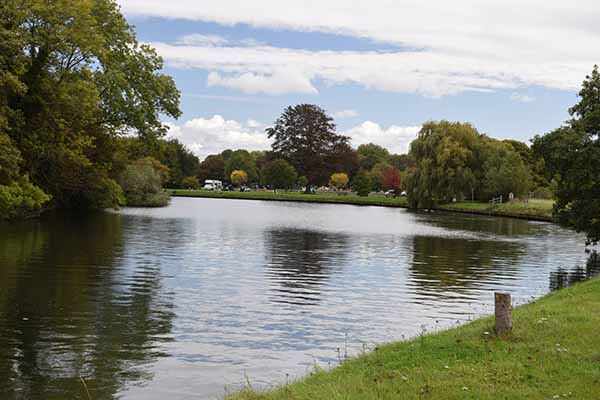 From Windsor the path heads through Home Park, with Windsor Castle providing an impressive backdrop as you leave the town behind. The river here is still relatively rural and peaceful, despite being surrounded by some of the most heavily populated parts of southern England. You soon reach Datchet, although there is a short section here where the official path leaves the river because there is no public riverside access.
Beyond Datchet comes one of the most historically important places on the entire Thames Path – Runnymede. This pleasant stretch of riverside meadow is where King John sealed the Magna Carta in 1215, and the National Trust now looks after the site. There are several memorials scattered around the meadows, including the John F. Kennedy Memorial and the unusual modern sculpture The Jurors. It is one of those places where the surroundings are remarkably peaceful considering the importance of what happened here.
The river then continues towards Staines-upon-Thames, an old market town which makes a useful stopping point. The Thames becomes busier here, with more boats and riverside development, but there are still stretches of meadow and open countryside. After Staines the path continues through Chertsey and its surrounding meadows, with the river beginning to feel increasingly like a recreational waterway rather than the rural river encountered further upstream.
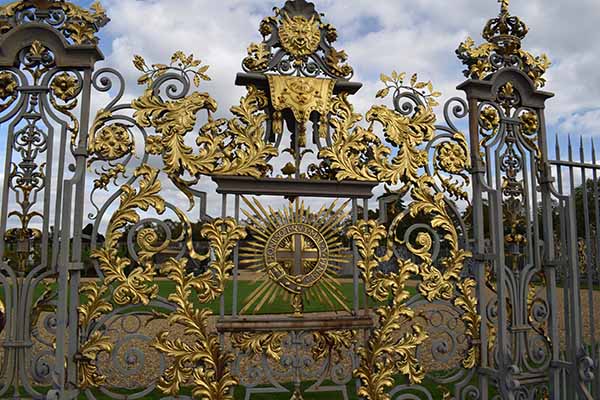 The next major attraction is Hampton Court Palace, one of the highlights of the whole route. The Thames passes the enormous palace grounds, and it is well worth allowing extra time for a visit if you have not been before. Even if you don't go inside, the riverside setting and the surrounding parkland make this a particularly enjoyable section of the walk.
From Hampton Court the route continues through Kingston upon Thames, where the river is considerably busier. Kingston is a good place for refreshments and a wander away from the river, with plenty of shops, cafés and pubs. The historic centre is also worth seeing, including the Coronation Stone associated with the Saxon kings.
Downstream from Kingston comes Teddington Lock, which is an important point on the Thames. It marks the usual limit of the non-tidal river; below here the Thames becomes tidal. The character of the river changes noticeably, with larger boats, wider stretches of water and eventually much more obvious signs that London is getting closer.
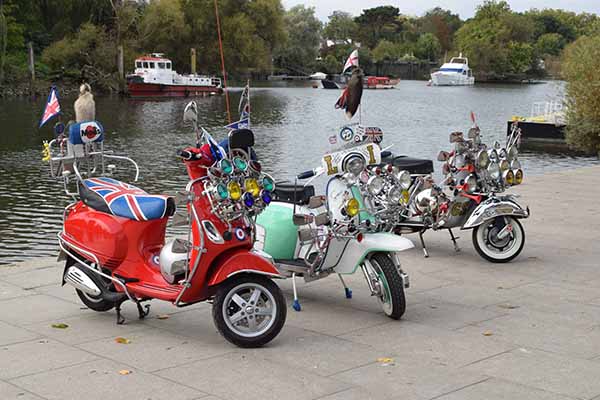 The section through Richmond is particularly attractive. The riverside is lined with old buildings, pubs and cafés, while Richmond's famous parkland provides a huge green space just beyond the town. Richmond Park itself is home to large herds of deer, and although the Thames Path doesn't take you through the middle of the park, it is well worth making a detour if you have the time. Nearby Petersham Meadows also provide some lovely views back towards Richmond.
From Richmond the Thames begins its gradual transformation into a London river. You pass Kew, with the famous Royal Botanic Gardens close to the river, followed by Chiswick and its attractive riverside houses and pubs. The river is now much more obviously part of the capital, but there are still surprisingly green stretches.
The final part takes you through Barnes, another pleasant riverside area, before reaching Putney. The river here is a very different beast from the narrow stream you encountered upstream. Putney is famous for its rowing clubs and the stretch of river below Putney Bridge is one of London's great rowing centres, with crews regularly heading up and down the Thames.
And so, after passing through royal parks, historic meadows, market towns, palace grounds and some of London's leafier suburbs, the Windsor to Putney section comes to an end. It is a substantial stretch of the Thames Path, but one which neatly demonstrates how the river changes from a relatively peaceful country river into the great waterway running through London.
Previous Reading to Windsor Next Putney to Thames Barrier
Leaving Windsor, the Thames Path continues downstream on a very different sort of Thames journey. The grandness of Windsor Castle and the royal surroundings soon gives way to open meadows, riverside towns, locks, parks and eventually the suburbs of west London. It is a long section, but there is plenty to break it up along the way.
From Windsor the path heads through Home Park, with Windsor Castle providing an impressive backdrop as you leave the town behind. The river here is still relatively rural and peaceful, despite being surrounded by some of the most heavily populated parts of southern England. You soon reach Datchet, although there is a short section here where the official path leaves the river because there is no public riverside access.Beyond Datchet comes one of the most historically important places on the entire Thames Path – Runnymede. This pleasant stretch of riverside meadow is where King John sealed the Magna Carta in 1215, and the National Trust now looks after the site. There are several memorials scattered around the meadows, including the John F. Kennedy Memorial and the unusual modern sculpture The Jurors. It is one of those places where the surroundings are remarkably peaceful considering the importance of what happened here.
The river then continues towards Staines-upon-Thames, an old market town which makes a useful stopping point. The Thames becomes busier here, with more boats and riverside development, but there are still stretches of meadow and open countryside. After Staines the path continues through Chertsey and its surrounding meadows, with the river beginning to feel increasingly like a recreational waterway rather than the rural river encountered further upstream.
The next major attraction is Hampton Court Palace, one of the highlights of the whole route. The Thames passes the enormous palace grounds, and it is well worth allowing extra time for a visit if you have not been before. Even if you don't go inside, the riverside setting and the surrounding parkland make this a particularly enjoyable section of the walk.From Hampton Court the route continues through Kingston upon Thames, where the river is considerably busier. Kingston is a good place for refreshments and a wander away from the river, with plenty of shops, cafés and pubs. The historic centre is also worth seeing, including the Coronation Stone associated with the Saxon kings.
Downstream from Kingston comes Teddington Lock, which is an important point on the Thames. It marks the usual limit of the non-tidal river; below here the Thames becomes tidal. The character of the river changes noticeably, with larger boats, wider stretches of water and eventually much more obvious signs that London is getting closer.
The section through Richmond is particularly attractive. The riverside is lined with old buildings, pubs and cafés, while Richmond's famous parkland provides a huge green space just beyond the town. Richmond Park itself is home to large herds of deer, and although the Thames Path doesn't take you through the middle of the park, it is well worth making a detour if you have the time. Nearby Petersham Meadows also provide some lovely views back towards Richmond.From Richmond the Thames begins its gradual transformation into a London river. You pass Kew, with the famous Royal Botanic Gardens close to the river, followed by Chiswick and its attractive riverside houses and pubs. The river is now much more obviously part of the capital, but there are still surprisingly green stretches.
The final part takes you through Barnes, another pleasant riverside area, before reaching Putney. The river here is a very different beast from the narrow stream you encountered upstream. Putney is famous for its rowing clubs and the stretch of river below Putney Bridge is one of London's great rowing centres, with crews regularly heading up and down the Thames.
And so, after passing through royal parks, historic meadows, market towns, palace grounds and some of London's leafier suburbs, the Windsor to Putney section comes to an end. It is a substantial stretch of the Thames Path, but one which neatly demonstrates how the river changes from a relatively peaceful country river into the great waterway running through London.
Previous Reading to Windsor Next Putney to Thames Barrier